
How to Start Your Activewear Brand with AOLAFREE: Partnering with Top Active Wear Vendors
The activewear market is experiencing a significant boom, presenting a fantastic opportunity for aspiring entrepreneurs to launch their own brands. With the right strategic planning and partnerships, you can carve out a unique space in this burgeoning industry. The global activewear market was valued at hundreds of billions of dollars in recent years and is projected to continue its strong growth, with some estimates suggesting it could reach over $720 billion by 2034. This guide aims to walk you through the essential steps, from understanding market opportunities to navigating the complexities of production and marketing, ensuring you're well-equipped for success. We will explore how to build a powerful brand identity and collaborate effectively with manufacturing partners like AOLAFREE to transform your vision into high-quality, desirable activewear.
Exploring Opportunities: Partnering with Active Wear Vendors for Niche Success
To succeed in the vibrant activewear landscape, it's crucial to understand the market's trajectory and identify a specific corner where your brand can shine. This involves analyzing current trends and pinpointing a unique customer base whose needs are not being fully met. By partnering with experienced active wear vendors, you can gain insights and capabilities that turn your niche idea into a successful reality.
Understanding the Dynamic Activewear Market
The activewear sector is no longer just for athletes; it's a dominant force in modern fashion. Driven by a global shift towards health, wellness, and comfort, the industry is seeing consistent and robust growth.
The activewear market is projected to reach approximately $677 billion by 2030, showing steady annual growth, and athleisure styles are now a part of everyday fashion.
The fusion of athletic and leisurewear, known as "athleisure," has cemented activewear's place in daily wardrobes. The global market, valued at over USD 440 billion in 2025, is projected to grow at a compound annual growth rate (CAGR) of around 9.0% through 2033. This incredible expansion is fueled by consumers seeking comfortable, functional, and stylish clothing that seamlessly transitions from a workout to a social setting. The apparel segment, including items like leggings, sports bras, and tops, leads the market, highlighting consumer demand for versatile pieces. North America currently holds the largest market share, driven by a strong fitness culture and high consumer spending on health-related products. However, the Asia Pacific region is expected to be the fastest-growing market, thanks to rising incomes and increasing health awareness.
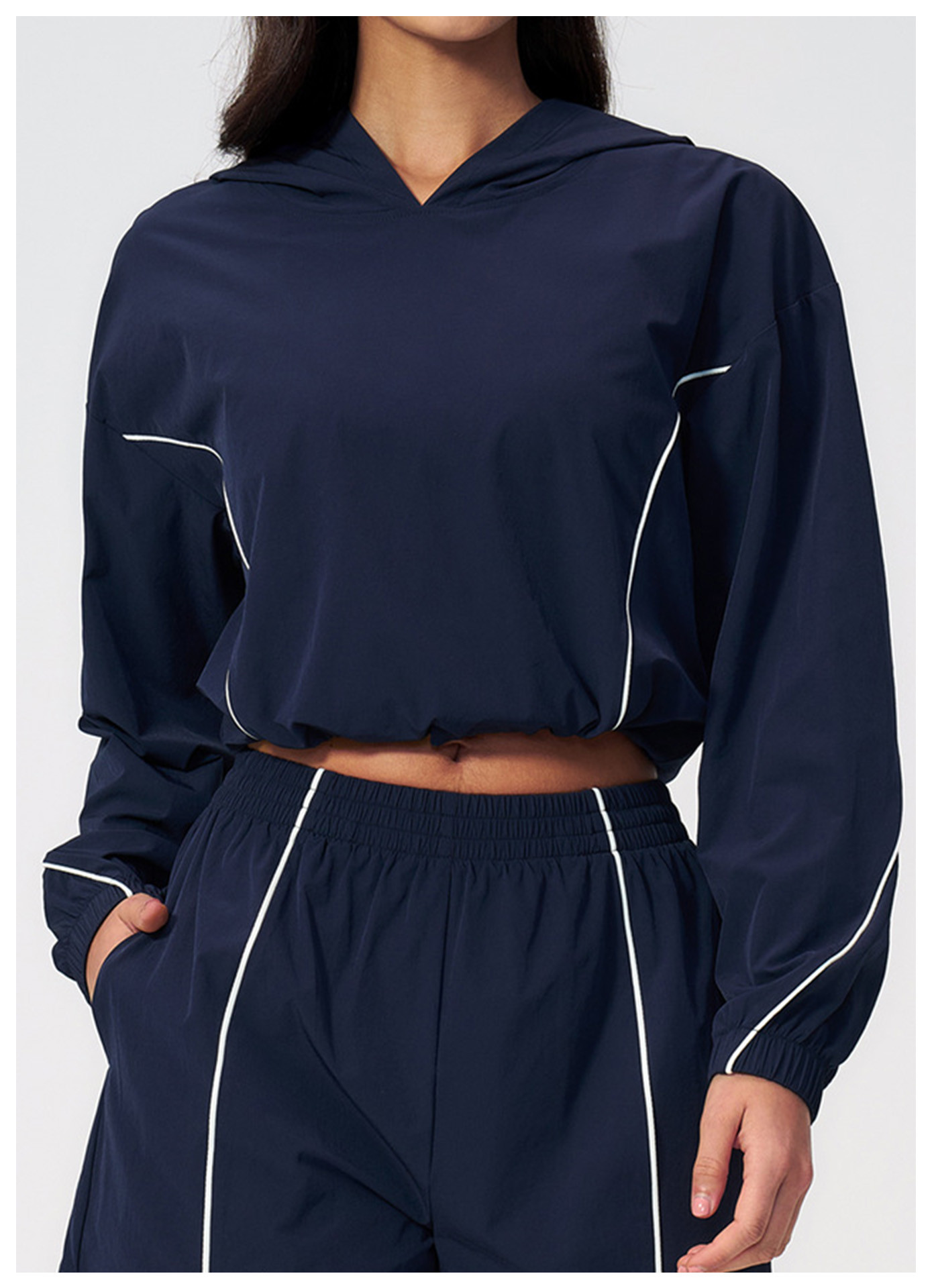
Market drivers include increased health awareness, the rise of boutique fitness, and the expansion into areas like strength training, Pilates, and racquet sports.
A profound global shift towards prioritizing health and wellness is the primary engine of the activewear market's growth. Consumers are more engaged than ever in fitness activities, from traditional gym workouts to specialized boutique classes like yoga and Pilates, and outdoor sports. This increased participation directly translates to a higher demand for performance-oriented apparel. Furthermore, there is a growing interest in niche sports such as pickleball, jiu-jitsu, and rock climbing, creating opportunities for specialized gear. The rising participation of women in sports and recreational activities has also become a key trend, with the female segment projected to dominate the market. Brands are responding by creating fashion-forward designs with unique details to cater to this demographic.
Identifying Your Unique Niche
In a competitive market, specialization is key. Rather than trying to appeal to everyone, the most successful new brands focus on a specific segment of the market, offering products that solve a unique problem or cater to a distinct identity.
The first step is to research your market and pick a specific niche, such as deep-pocket shorts for runners or high-impact sports bras for specific activities.
Finding a profitable niche is about identifying an underserved audience and creating a product that speaks directly to their needs. Instead of competing with giants on broad terms, focus on a specific gap. For instance, consider niches like:
- Maternity Activewear: Designing supportive, high-waisted garments for expectant and new mothers.
- Adaptive Activewear: Creating clothing with features like magnetic closures for individuals with disabilities.
- Petite and Tall Sizing: Offering leggings and tops with varied inseams and lengths to cater to a market often overlooked by mainstream brands.
- Modest or Faith-Based Activewear: Designing functional, breathable, and stylish apparel that offers more coverage.
- Sport-Specific Gear: Focusing on the unique needs of athletes in rising sports like paddle tennis or pickleball.
By homing in on a niche, you can create a dedicated customer base that feels seen and understood.
Brands gain traction by having clear positioning and focusing on performance to solve real problems for customers, and exploring capabilities with potential active wear vendors can help validate your ideas.
A strong brand identity is crucial in a crowded market. Successful brands don't just sell clothes; they sell a lifestyle, a belief, and an emotional connection. Your brand's position should be clear: are you focused on sustainability, cutting-edge performance, size inclusivity, or luxury? This identity should be authentic and permeate every aspect of your business.
Performance is non-negotiable. High-quality activewear directly impacts an athlete's comfort, mobility, and confidence. It enhances performance through features like moisture-wicking, breathability, and durability. When you focus on solving a real problem for your customers—be it chafing on long runs or a lack of support during high-impact workouts—you build trust and loyalty. Partnering with a knowledgeable vendor like AOLAFREE can be invaluable. Their expertise in fabrics and manufacturing can help you validate whether your innovative design idea is feasible and can be produced to the high-performance standards your niche demands.
From Concept to Creation: Designing Performance Apparel with Your Custom Gym Wear Manufacturer
Transforming a brilliant idea into a tangible product is a journey of precision, creativity, and strategic collaboration. This phase is about more than just aesthetics; it's about engineering apparel that performs. From forging a memorable brand identity to selecting advanced materials and ensuring quality through rigorous testing, every decision shapes the final product. A partnership with a skilled custom gym wear manufacturer is fundamental to bringing your vision to life.
Crafting a Clear Brand Identity
Your brand is the soul of your business. It's the story, the feeling, and the promise you make to your customers. In a competitive market, a strong identity is what captures attention and builds a loyal community.
Your brand's personality should be clearly communicated through colors, fonts, and brand statements to build an emotional connection with your audience.
A well-defined brand identity goes beyond a logo; it’s an entire ecosystem that communicates your mission and values. Whether your brand's personality is adventurous, minimalist, fierce, or wellness-focused, this should be reflected consistently across all touchpoints—your website, social media, packaging, and the products themselves. Iconic brands like Nike with "Just Do It" or Lululemon's association with the yoga lifestyle have shown that connecting with customers on an emotional level is key. They don't just sell apparel; they sell empowerment, ambition, and a sense of belonging. Sharing your brand's story and being transparent about your mission, such as a commitment to sustainability or inclusivity, can create a powerful and lasting bond with your audience.
The Science of Superior Product Design
Exceptional activewear is a marriage of art and science. The design must be visually appealing, but its true value lies in its performance. This requires a deep understanding of technical fabrics, functional features, and clear communication with your manufacturing partner.
When designing products, choose fabrics suitable for athletic scenarios, focusing on stretch recovery, moisture-wicking, breathability, and durability.
Fabric selection is one of the most critical decisions in activewear design. The material must support the intended activity, whether it's high-intensity training, yoga, or outdoor running. Key properties to look for in technical fabrics include:
- Moisture-Wicking: Fabrics like polyester and certain nylon blends are excellent at pulling sweat away from the skin to the fabric's surface, where it can evaporate quickly. This keeps the wearer dry and comfortable.
- Breathability: Materials with good airflow, such as those with mesh panels or open-knit structures, prevent overheating during intense workouts.
- Stretch and Recovery: Spandex (or Lycra) is blended with other fibers to provide elasticity, allowing for a full range of motion without the garment losing its shape.
- Durability: Activewear must withstand rigorous use and frequent washing. Nylon and polyester are known for their strength and abrasion resistance.
- Temperature Regulation: Some advanced fabrics, like merino wool, offer natural temperature regulation, keeping you warm in the cold and cool in the heat.
- Sustainability: With a growing consumer demand for eco-friendly products, consider materials like recycled polyester, organic cotton blends, or innovative bio-based yarns.
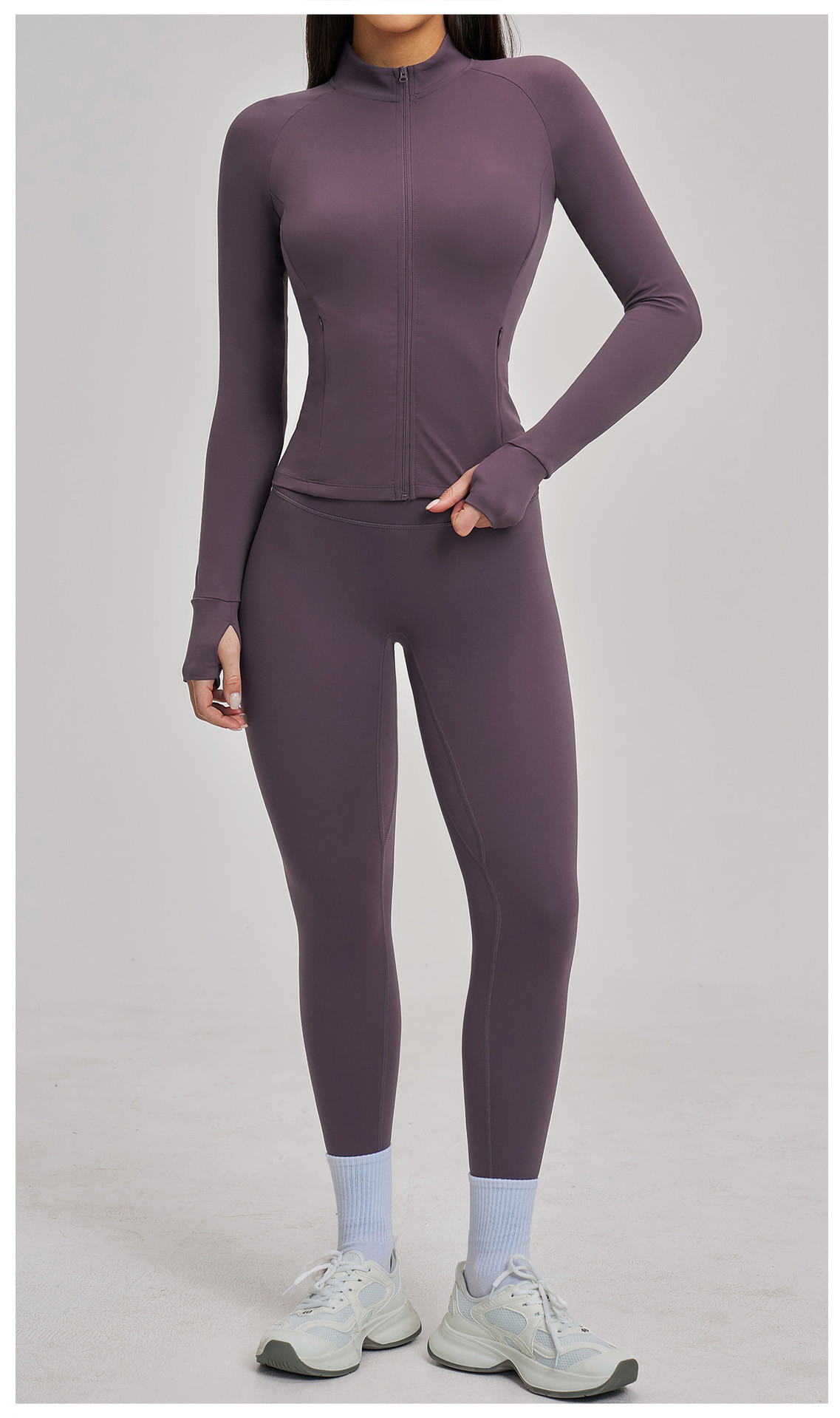
Pay attention to details like hidden pockets, flat seams, and ensure your designs are refined through customer testing.
The small details are what elevate a good product to a great one. Thoughtful features demonstrate that you understand and anticipate your customer's needs. Consider incorporating:
- Flatlock Seams: This type of stitching creates a completely flat seam that lies smooth against the skin, which is crucial for preventing chafing and irritation during repetitive movements. It's a hallmark of high-quality activewear.
- Innovative Features: Details like strategically placed cut-outs for ventilation, reflective elements for safety, hidden zippered pockets for valuables, and bold back designs can differentiate your product line.
- Seamless Construction: Seamless designs offer a minimalist aesthetic and maximum comfort, creating a flattering silhouette that moves with the body.
Communicating detailed technical designs and fabric specifications to your custom gym wear manufacturer is crucial for high-performance apparel.
A detailed tech pack is the single most important document you will create for your manufacturer. It is the blueprint that translates your design idea into a physical product, and it must be comprehensive to avoid costly errors. A complete tech pack should include:
- Technical Flat Sketches: Detailed front, back, and side view drawings of the garment.
- Bill of Materials (BOM): A complete list of all materials, including main fabric, lining, trims, zippers, buttons, and thread types.
- Measurement Specifications: A graded size chart with every point of measure (POM) and the acceptable tolerance.
- Construction Details: Specific instructions on how the garment should be assembled, including seam types (e.g., flatlock), stitch density, and finishing techniques.
- Colorways and Artwork: Pantone color codes for all components and precise placement details for any logos, prints, or embroidery.
This document acts as a contract between you and your manufacturer, minimizing misunderstandings, especially when working with overseas partners. Exploring the Factory Strength of a potential partner can provide confidence in their ability to execute these detailed specifications.
Ensuring Quality Through Testing
Before committing to a full production run, you must rigorously test your designs to ensure they meet your quality standards and your customers' performance expectations.
Pre-production samples should be wear-tested in their intended environment to catch any issues not visible in static inspections.
The pre-production sample (PP sample) is your final quality control checkpoint before mass production. It's made with the exact bulk materials and construction methods that will be used for your full order. However, a visual inspection isn't enough. Wear testing, where real users test the product in authentic scenarios, is essential. This process helps you evaluate:
- Fit and Comfort: Does the garment fit well across different body types within your target size? Does it stay in place during movement?
- Durability: How does the fabric and construction hold up after repeated use and washing? Look for issues like pilling, seam strain, or color fading.
- Functionality: Do the design features perform as intended? Does the moisture-wicking work effectively? Are pockets secure?
Gathering feedback from a diverse group of testers who match your target demographic can uncover critical flaws that you might have missed, saving you from costly mistakes and ensuring your final product delights customers.
Strategic Production: Choosing the Right OEM Sportswear Manufacturer for Growth
Choosing a production partner is one of the most critical decisions for a new activewear brand. The right manufacturing approach will align with your business stage, budget, and brand vision, while the right partner will serve as a cornerstone for quality, scalability, and long-term success. Navigating the options—from print-on-demand to full custom manufacturing—and knowing what to look for in an OEM (Original Equipment Manufacturer) sportswear manufacturer is key to building a resilient supply chain.
Understanding Production Approaches
There are several paths to bringing your activewear to market, each with distinct advantages and disadvantages. The best choice depends on your initial capital, risk tolerance, and desire for product uniqueness.
Print-on-demand (POD) services offer a zero upfront cost way to start, ideal for testing designs, though with lower per-item profit.
Print-on-demand (POD) is a low-risk entry point for entrepreneurs. In this model, you create designs and upload them to a POD service's platform. When a customer places an order on your store, the POD company prints your design on a pre-existing blank garment (like a t-shirt or hoodie) and ships it directly to the customer.
- Pros: No inventory costs, no upfront investment in stock, and a wide variety of products to experiment with. It's perfect for testing design ideas and market demand.
- Cons: Lower profit margins per item, limited control over product quality (fabric, fit), and minimal garment customization beyond the printed design. This approach makes it difficult to build a brand based on unique product features or premium materials.
Wholesale blanks with decoration are cost-effective and fast but lack product uniqueness.
This method involves purchasing blank activewear garments in bulk from a wholesaler and then having them customized with your branding (e.g., screen printing, embroidery) at a local facility.
- Pros: More cost-effective per unit than POD, faster production times, and you have more control over the final decoration quality.
- Cons: The core product is not unique to your brand, as competitors can use the same blank garments. Customization is limited to surface decoration, which can restrict your ability to innovate on fit, fabric, and functional features.
Custom cut and sew provides proprietary products and full control, with minimum order quantities often around 200 pieces per design, crucial for working with an OEM sportswear manufacturer.
Custom cut and sew is the process of creating a garment from scratch. You provide the design, select the fabric, and the manufacturer produces a product that is entirely unique to your brand. This is the path for creating truly proprietary apparel and is the standard model for working with an OEM sportswear manufacturer.
- Pros: Complete control over design, fabric, fit, and quality. It allows for the creation of innovative, high-performance products that can stand out in the market. This is essential for building a strong, differentiated brand.
- Cons: This approach requires a significant upfront investment. Manufacturers have Minimum Order Quantities (MOQs), which is the smallest order size they will accept for a production run. MOQs for custom clothing typically range from 50 to 300 pieces per design, but can be higher depending on the factory and complexity. This is necessary to cover the costs of pattern making, sampling, and production line setup.
Domestic manufacturing offers speed and high-end positioning but can be costly with limited technical fabric access.
Producing your activewear in your home country can offer several strategic advantages.
- Pros: Faster turnaround times due to shorter shipping distances, easier communication without language barriers or major time zone differences, and greater oversight of quality control. A "Made in the USA" or other local label can also carry a premium perception and appeal to consumers who prioritize supporting local economies. Domestic factories often accommodate lower MOQs, which is beneficial for startups.
- Cons: Labor and operational costs are typically much higher, which increases the cost per unit. Additionally, some domestic markets may have more limited access to the wide range of specialized technical fabrics available through international suppliers.
What to Look for in an OEM Sportswear Manufacturer
Choosing the right OEM partner is about more than just cost. You need a manufacturer with the expertise, infrastructure, and collaborative spirit to bring your vision for high-performance activewear to life. It's a partnership that should be built on trust and shared standards of quality. Learn more about us to see if AOLAFREE is the right partner for you through our About US page.
Choose a reliable manufacturer specializing in activewear with expertise in fabric sourcing, flatlock stitching, sublimation printing, and compression engineering.
Generic apparel factories may not have the specific skills required for performance sportswear. Look for a manufacturer with demonstrated expertise in:
- Performance Fabric Sourcing: They should have established relationships with mills that produce high-quality technical fabrics and be knowledgeable about the latest material innovations.
- Specialized Construction Techniques: Superior activewear requires specific sewing methods. Expertise in flatlock seaming is critical, as this technique creates chafe-free, durable seams essential for comfort during activity. Other important skills include reinforced stitching for high-stress areas and precision cutting.
- Advanced Customization: A good sportswear manufacturer should offer a range of customization options beyond basic printing, such as sublimation printing (for vibrant, all-over designs), heat transfer logos, and custom-branded trims.
A vertically integrated manufacturer, controlling processes from fabric development to quality testing, is often a strong partner.
A vertically integrated manufacturer is a company that controls multiple stages of the production supply chain under one roof or management system. This can include everything from yarn spinning and fabric knitting to dyeing, cutting, sewing, and packaging. The benefits of partnering with a vertically integrated factory are significant:
- Greater Quality Control: With oversight of the entire process, it's easier to ensure consistent quality from the fabric to the final stitch.
- Shorter Lead Times: Eliminating the need to ship materials between different vendors reduces delays and streamlines the entire production timeline.
- Cost Efficiency: By cutting out intermediary suppliers, vertically integrated manufacturers can often offer more competitive pricing.
- Enhanced Transparency and Sustainability: A single point of control makes it easier to implement and monitor sustainable practices and ensure ethical labor standards throughout the supply chain.
Always test samples before committing to bulk production to ensure quality and fit.
Sampling is a non-negotiable step in the manufacturing process. It is your opportunity to test every aspect of your product before it goes into mass production, where mistakes become exponentially more expensive. The sampling process allows you to:
- Evaluate Quality: Assess the manufacturer's stitching, construction, and attention to detail.
- Verify Fit and Sizing: Ensure the garment's measurements match your tech pack and that it fits your target customer correctly.
- Confirm Fabric and Trims: Check the feel, stretch, weight, and color of the actual production materials.
- Provide Clear Feedback: Samples serve as a physical tool for communication, helping you and your factory align on any necessary adjustments. Approving a final pre-production sample provides a tangible "gold standard" that the manufacturer must adhere to for the bulk order.
Scaling Your Production Smartly
As your brand grows, your production needs will evolve. A smart scaling strategy allows you to meet increasing demand without over-investing in inventory or compromising on quality.
Successful brands often follow a three-phase model: 'Validate' with small batches (200-500 units), 'Expand' product lines (500-2000 units), and 'Scale' for seasonal demands (2000+ units).
A phased approach to scaling production helps manage risk and cash flow effectively:
- Phase 1: Validate (200–500 units): Start with small production runs of your core "hero" products. This allows you to test the market, gather customer feedback, and validate your designs without the risk of holding massive amounts of unsold inventory. This phase is all about proving your concept.
- Phase 2: Expand (500–2000 units): Once you have a proven seller, you can increase your order quantities. This is also the time to begin cautiously expanding your product line, introducing new colors, or adding complementary styles based on customer data and feedback.
- Phase 3: Scale (2000+ units): As your brand becomes more established and you have a better handle on sales forecasting, you can move to larger-scale production. This allows you to take advantage of better per-unit pricing and produce enough inventory to meet seasonal demand and support your marketing efforts.
This methodical approach to scaling ensures that your production grows in sync with your sales, creating a sustainable and profitable business model.
Launching, Marketing, and Sustaining Your Brand with Trusted Active Wear Vendors
Launching your activewear brand is just the beginning. To build a lasting business, you need a robust digital presence, a clear understanding of your finances, and a powerful brand message that resonates with your audience. Sustaining growth requires a strong community, effective marketing, and a deep partnership with reliable active wear vendors who can support your journey. If you are ready to start this journey, please feel free to Contact US.
Building Your Online Presence and Community
In today's digital-first world, your online store and social media channels are your most powerful tools for connecting with customers and driving sales.
Ensure your online store is easy to shop, with clear product photos and concise descriptions.
Your website is your digital flagship store. It must be professional, user-friendly, and optimized for mobile, as many customers will shop from their phones. Key elements of a successful online store include:
- High-Quality Visuals: Invest in professional product photography that showcases your activewear from multiple angles, on diverse body types, and in action. Videos that demonstrate the fabric's stretch and functionality can be extremely effective.
- Detailed Product Descriptions: Go beyond basic features. Explain the benefits of your chosen fabrics, the purpose of specific design details (like flatlock seams or hidden pockets), and provide clear sizing guides to help customers make confident purchase decisions.
- Seamless User Experience: Your website should be easy to navigate, with a simple and secure checkout process. A strong e-commerce platform like Shopify is a great starting point for new brands.
On social media, share authentic moments and behind-the-scenes processes to connect with your audience, highlighting performance features rather than just style.
Social media is where you build your brand's community and personality. Authenticity is key, especially with Gen Z audiences who value transparency over perfectly curated ads. Effective social media content for activewear brands includes:
- User-Generated Content (UGC): Encourage customers to share photos and videos of themselves wearing your gear. Featuring UGC builds social proof and shows your products on real people in real situations.
- Behind-the-Scenes Content: Share glimpses of your design process, fabric sourcing, or even a tour of your partner manufacturer's facility. This transparency builds trust and tells a deeper brand story.
- Educational and Inspirational Content: Post workout tutorials, fitness tips, or motivational stories that add value for your followers. This positions your brand as an authority in the wellness space, not just a clothing seller.
- Performance in Action: Instead of just static photos, create dynamic video content (like TikToks or Instagram Reels) that shows your apparel performing as intended—stretching during yoga, wicking sweat during a run, or providing support during a lift.
Understanding the True Costs
Profitability depends on a clear-eyed view of all your expenses. Beyond the cost of manufacturing, several "hidden" costs can impact your bottom line.
Beyond initial product manufacturing, remember hidden costs like shipping, taxes, and packaging, which can range from $200 for domestic to over $2000 for overseas.
While the cost of goods is your largest initial outlay, it's only one piece of the puzzle. Be sure to budget for:
- Shipping and Logistics: This includes the cost of shipping samples from your manufacturer, freight for your bulk order (which can be significant, especially for overseas production), and shipping products to your customers.
- Warehousing and Fulfillment: Whether you store inventory in-house or use a third-party logistics (3PL) provider, there are costs associated with storage and order fulfillment.
- Packaging: This includes custom boxes, mailers, poly bags, and any branded materials like tissue paper or thank-you notes. While it's an opportunity for branding, packaging costs can add up, with some businesses allocating 10-40% of a product's retail price to it.
- Legal and Administrative Fees: Factor in costs for business registration, trademarks, and any contracts with suppliers or designers, which can range from a few hundred to several thousand dollars.
- Returns and Customer Service: You'll need to allocate a portion of your budget (often 5-10%) to manage product returns and exchanges.
Budget for marketing and promotion to build brand awareness, starting with $300-$2000 for product photography, social media ads, and samples for micro-influencers.
Even the best product won't sell if no one knows it exists. A dedicated marketing budget is non-negotiable. For a startup, an initial marketing budget could range from $5,000 to $25,000 for the first few months to make a real impact. This can be broken down into:
- Content Creation: Professional product photography is a must. A budget for this can start around $500–$3,000.
- Digital Advertising: Start with a small budget for targeted Meta (Facebook and Instagram) ads to reach your ideal customer demographic.
- Influencer Marketing: Partnering with micro-influencers (those with 10k-100k followers) is a cost-effective way to get authentic content and reach engaged audiences. Payment can range from free products to flat fees of $100-$1,000 per post, depending on the influencer's platform and engagement rates.
Cultivating a Profitable and Purpose-Driven Brand
Long-term success in the activewear market goes beyond tactical execution. It's about building a brand that has a soul, connects with its community, and operates with a clear purpose.
Successful activewear brands sell a 'belief,' culture, and emotional connection, inspiring confidence and belonging rather than just products.
The most beloved brands are lifestyle partners. They create a culture around shared values, whether it's the pursuit of peak performance, a commitment to mindfulness and wellness, or a celebration of inclusivity. This emotional connection turns customers into loyal advocates for your brand. Your marketing should tell a story that resonates with your audience's aspirations and makes them feel part of a community.
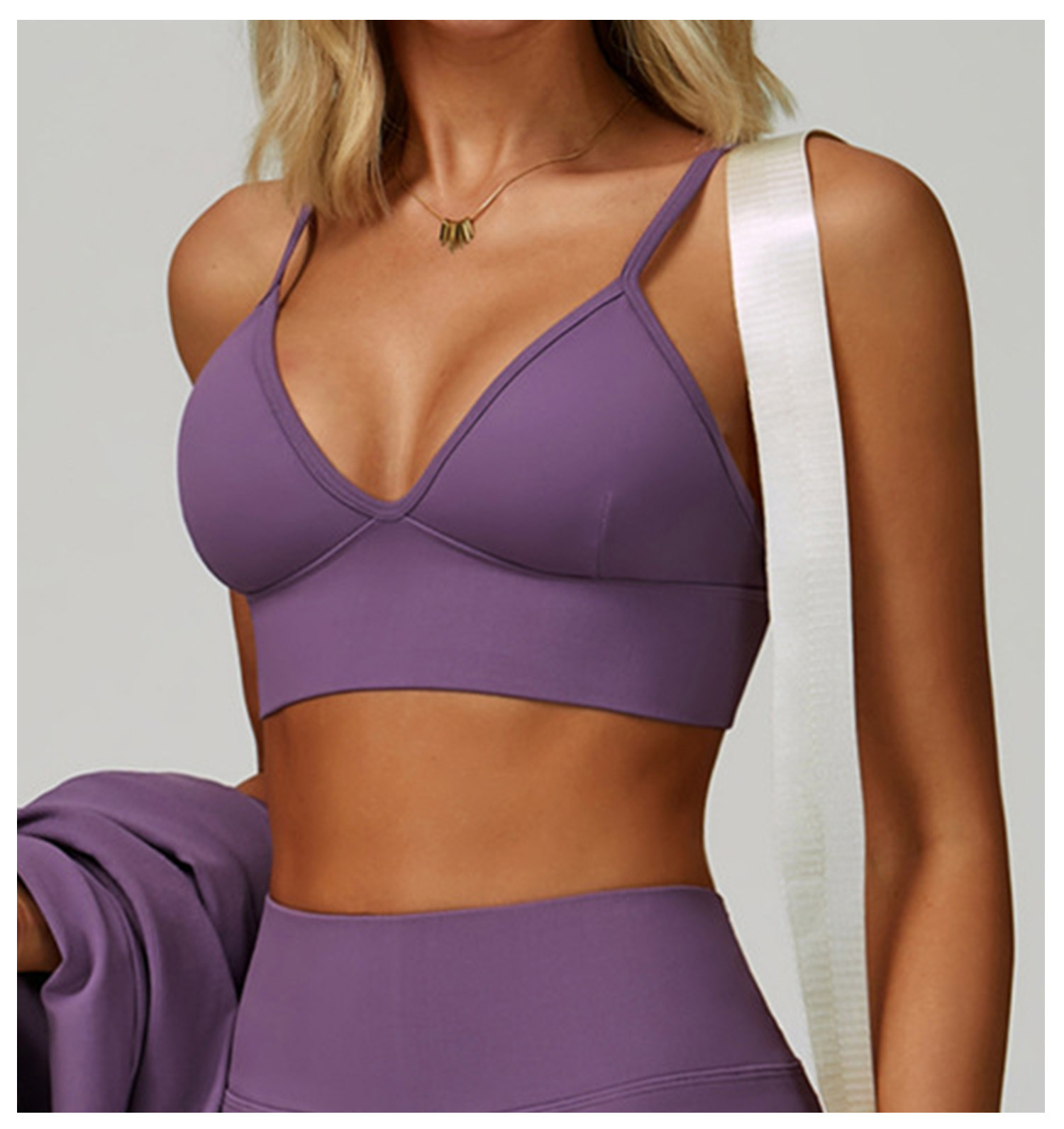
Profitability is achievable by controlling costs, understanding your niche, providing quality products, and engaging in effective marketing and consistent sales alongside reliable active wear vendors.
A profitable activewear brand is built on a solid foundation. The key strategies for profitability include:
- Strategic Pricing: Set prices that cover all your costs (production, marketing, overhead) while providing a healthy profit margin, which can range from 30-50% in the fashion industry.
- Improving Product Portfolio: Focus on selling a curated collection where items can be mixed and matched. This encourages customers to buy multiple pieces, increasing the average order value.
- Customer Retention: It's more cost-effective to retain existing customers than to acquire new ones. Nurture your community with excellent customer service and loyalty programs.
- Strong Supplier Partnership: A reliable partnership with your active wear vendor is crucial for controlling costs, ensuring quality, and managing your supply chain efficiently as you scale.
Embrace sustainability, as consumer demand for eco-friendly activewear is significantly growing.
Sustainability is no longer a niche trend; it's a major market driver. The global market for sustainable activewear is projected to grow significantly, potentially reaching over $20 billion by 2032. Consumers, particularly younger generations, are increasingly prioritizing brands that demonstrate environmental and social responsibility. They are willing to pay more for products made from sustainable materials and produced through ethical practices.
You can embrace sustainability by:
- Using Eco-Friendly Materials: Incorporate materials like recycled polyester (from plastic bottles), recycled nylon, organic cotton, TENCEL™, or bamboo viscose.
- Adopting Sustainable Practices: Partner with manufacturers that use low-impact dyeing methods, work to minimize waste, and offer transparency in their supply chain.
- Promoting a Circular Model: Consider implementing take-back or recycling programs for your garments to reduce landfill waste.
By integrating sustainability into your brand's core values, you not only contribute to a healthier planet but also connect deeply with a growing segment of conscious consumers.
Key Takeaways
Launching a successful activewear brand requires a blend of creative vision, strategic planning, and meticulous execution. Here are the essential takeaways to guide your journey from concept to customer:
- Find Your Niche in a Growing Market: The activewear market is booming, expected to surpass $720 billion by 2034. Success hinges on identifying a specific niche—be it for a particular sport, body type, or value system like sustainability. Instead of competing with everyone, solve a real problem for a dedicated audience.
- Performance is Paramount: Your product's quality is your best marketing tool. Invest in high-performance technical fabrics with properties like moisture-wicking, four-way stretch, and durability. Pay attention to construction details like flatlock seams that prevent chafing and enhance comfort, as this is a hallmark of premium activewear.
- Build a Strong, Authentic Brand Identity: Your brand is more than a logo. It’s the story, values, and emotional connection you build with your community. Clearly define your brand's personality and communicate it consistently through your website, social media, and packaging to build a loyal following. Authenticity, especially in marketing, resonates deeply with modern consumers.
- Master the Technical Details: A comprehensive tech pack is the non-negotiable blueprint for your manufacturer. It must include detailed flat sketches, a bill of materials (BOM), graded measurement specs, and specific construction instructions to ensure your vision is produced accurately and minimize costly errors.
- Choose the Right Manufacturing Partner and Model: Your production approach should match your business stage. While Print-on-Demand (POD) is low-risk for testing, custom cut and sew manufacturing is essential for creating a unique, high-quality product line. Partner with an OEM sportswear manufacturer specializing in activewear. A vertically integrated manufacturer offers superior control over quality, lead times, and sustainability.
- Sampling and Testing are Crucial: Never skip the sampling process. Requesting and evaluating pre-production samples is your final and most important quality check before committing to a bulk order. Conduct wear tests with your target audience to validate fit, comfort, and durability in real-world conditions.
- Plan Your Finances and Marketing: Account for all costs, including hidden expenses like shipping, packaging, and returns, which can be substantial. A dedicated marketing budget (often 15-25% of revenue in the launch phase) is critical for building brand awareness. Focus on high-quality product photography, targeted digital ads, and cost-effective micro-influencer collaborations to generate buzz.
- Embrace Digital and Build Community: Your online store must be visually appealing and easy to navigate. On social media, prioritize authentic content like behind-the-scenes footage and user-generated content (UGC) over polished ads. Build a community by engaging with your audience and providing value beyond your products, such as workout tips or inspirational stories.
- Integrate Sustainability: Consumer demand for eco-friendly products is rapidly growing, with the sustainable activewear market projected to expand significantly. Incorporating recycled or biodegradable materials and partnering with ethically-minded manufacturers can be a powerful differentiator and align your brand with modern consumer values.
Frequently Asked Questions (FAQ)
Q1: How much does it realistically cost to start an activewear brand?
The cost varies widely based on your business model. A low-budget start using a print-on-demand service might require $2,000–$5,000 for design, samples, and initial marketing. For small-batch custom manufacturing (50-200 units per style), expect an initial investment of $10,000–$25,000 to cover product development, a higher-quality production run, professional branding, and a more robust marketing launch. A budget of around $60,000 would allow for a more significant first production order, sophisticated branding and web design, and a dedicated two-month marketing push.
Q2: What is the most important document when working with a manufacturer?
The tech pack (or technical package) is by far the most crucial document. It is the detailed blueprint that instructs your manufacturer on exactly how to create your garment. It should include technical sketches, a bill of materials (fabrics, trims, etc.), precise measurement charts for all sizes, construction details like stitch types, and color and label placement information. A thorough tech pack prevents misunderstandings, reduces errors in sampling, and ensures the final product matches your vision.
Q3: What are the best fabrics for performance activewear?
The best fabrics are technical and functional. Look for:
- Polyester/Nylon Blends: Excellent for durability, abrasion resistance, and moisture-wicking.
- Spandex (Lycra/Elastane): Always used in a blend, it provides crucial stretch and shape retention for freedom of movement.
- Merino Wool: A natural option that excels at temperature regulation, breathability, and odor resistance.
- Sustainable Options: Recycled polyester (rPET), recycled nylon, TENCEL™ (from wood pulp), and bamboo are increasingly popular for their performance and eco-friendly properties. The key is to choose materials based on the intended activity—high-intensity workouts demand superior moisture management, while yoga requires maximum flexibility.
Q4: How do I find a niche in such a competitive market?
To find a niche, look for an underserved group or an unmet need. Research potential gaps such as:
- Specific Activities: Focus on emerging sports like pickleball or niche fitness communities like rock climbing.
- Demographics: Cater to audiences often overlooked by mainstream brands, like maternity, adaptive (for disabilities), petite/tall sizing, or modest activewear.
- Values-Driven: Build your brand around a core value like sustainability (using only eco-friendly materials) or extreme durability.
- Solving a Problem: Address a common complaint, like creating leggings with truly functional pockets, non-slip waistbands, or sports bras with unique support systems. Success in a niche comes from being the best solution for a specific group, not a mediocre option for everyone.
Q5: What's a realistic marketing budget and where should I spend it?
For a new launch, a marketing budget of 15-25% of your projected revenue is a common recommendation. An initial budget might be between $5,000 and $25,000 for your first 3-6 months. Prioritize your spending on:
- High-Quality Content: This is non-negotiable. Budget $500-$3,000 for professional product photography and video.
- Digital Ads: Start with a modest budget ($1,000-$5,000) for targeted ads on platforms like Instagram and Facebook to reach your ideal customers.
- Influencer Marketing: Collaborate with micro-influencers whose followers match your target audience. You can often partner with them for free products or for a fee of $100-$500 per post, offering authentic promotion.
Q6: What is a vertically integrated manufacturer, and why should I choose one?
A vertically integrated manufacturer controls multiple stages of the production process under one management system—from sourcing raw materials like yarn to knitting fabric, dyeing, cutting, sewing, and packaging. This is a huge advantage because it gives you:
- Better Quality Control: The manufacturer oversees every step, ensuring consistency.
- Faster Production: It eliminates delays caused by shipping components between different vendors.
- Cost Savings: Fewer middlemen mean more competitive pricing.
- Improved ansparency: It's easier to track sustainability and ethical standards. Partnering with a vertically integrated factory like AOLAFREE can lead to a more efficient, reliable, and accountable production experience.
Conclusion
Starting your own activewear brand is an exhilarating journey that demands a clear vision, a smart strategy, and a profound understanding of both your customers and the market. It’s an endeavor that blends creativity with commercial acumen, passion with precision.
By designing unique, high-performance products that solve real problems, you lay the groundwork for a brand that commands attention. The key to transforming those designs into exceptional apparel lies in partnering with the right manufacturer. Whether you choose an OEM sportswear manufacturer or a specialized custom gym wear manufacturer, this relationship is the bedrock of your brand's quality and scalability. A partner like AOLAFREE who understands the nuances of technical fabrics and construction is invaluable.
Finally, a powerful brand is built through strategic marketing that fosters an authentic connection with a dedicated community. By embracing digital platforms, telling your story, and operating with a clear purpose—such as a commitment to sustainability—you can build a brand that truly stands out. I encourage you to take the leap with a clear plan, continually learn and improve, and collaborate with trusted active wear vendors to create a thriving and impactful business.