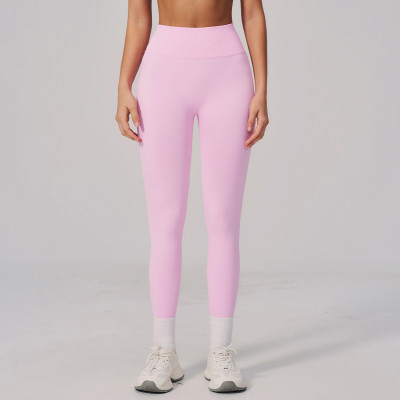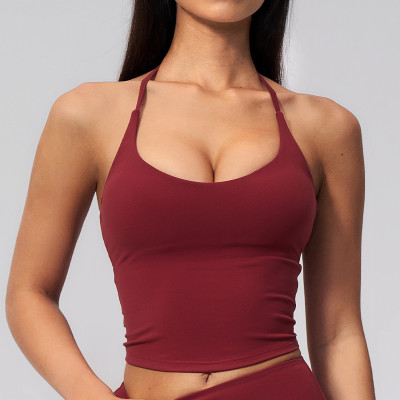

Best Fabrics for Everyday Activewear: Matte Finish, Drape, Stretch & Pilling Resistance
Choosing the right fabric is the make-or-break step for your everyday activewear collection. In this guide, we break down all critical fabric properties you need to evaluate: matte finish, elegant drape, four-way stretch & recovery, squat-proof opacity, anti-pilling performance and all-day comfort. As AOLAFREE China activewear manufacturer, we share production-tested fabric knowledge to help your brand pick the ideal material for yoga leggings, commute casual and multi-scene activewear.
The world of activewear is rapidly evolving, moving beyond just gym wear to become a staple of our everyday wardrobes. We now demand garments that look and feel great for up to 10 hours a day, not just during a 90-minute workout. This shift means consumers are looking for versatile clothing that can seamlessly transition from a morning workout to running errands or working from home.
This transformation requires more from our fabrics, focusing on aesthetic qualities like a matte finish and elegant drape, alongside functional must-haves such as superior stretch and pilling resistance. As consumers prioritize comfort, functionality, and style in their clothing choices, the fabric itself becomes the hero. Join us as we explore the essential characteristics and best fabric choices that define premium everyday activewear.
The Core Evolution: Why Everyday Activewear Fabric Needs More Than Just Performance
The transition of activewear from specialized sportswear to a dominant lifestyle category reflects a broader cultural shift towards health, wellness, and flexibility. This evolution means that the performance features once exclusive to athletes are now expected in clothing worn for daily life, creating a new set of demands for fabric manufacturers and apparel brands.
From Gym to Daily Life: The New Demand
Historically, sportswear was built for a single purpose: athletic performance during a specific activity. Early materials were often heavy and restrictive, prioritizing modesty over movement. The fitness boom of the 70s and 80s introduced new, more functional materials like Lycra and spandex, which offered better stretch and breathability. However, it was the rise of the "athleisure" trend in the 2010s that cemented activewear's place in our daily lives.
Today, the line between the gym and the street has blurred completely. Consumers now wear athletic clothing for a wide range of activities beyond exercise, including running errands, working from home, and socializing. In fact, comfort is cited as the primary reason for this shift, with nearly 99% of consumers ranking it as the most important factor when buying sportswear. This has fueled the demand for multi-functional outfits that provide all-day wearability, allowing individuals to move seamlessly through their day without needing a wardrobe change. Consequently, fabrics must now deliver not only on performance metrics like moisture-wicking but also on the sophisticated look and feel required for everyday fashion.
Critical Qualities for Modern Four-Way Stretch Fabric
Modern consumers demand fabrics that can keep up with their dynamic lifestyles. For four-way stretch fabric, this means delivering on a set of critical performance and aesthetic qualities. The term "four-way stretch" refers to a fabric's ability to extend and recover both crosswise and lengthwise, which is essential for providing freedom of movement and a close, comfortable fit.
This capability is typically achieved by blending base fibers like polyester or nylon with an elastomeric fiber—such as spandex, Lycra, or elastane—and using a specific knit structure. The key qualities that define a superior modern stretch fabric include:
- Exceptional Stretch and Recovery: The fabric must not only stretch easily in all directions to move with the body but also "snap back" to its original shape. This high recovery prevents the garment from bagging at the knees or seat, ensuring it maintains its form and fit even after prolonged wear and repeated washing.
- Breathability and Moisture Management: Whether for a workout or a long day of wear, the fabric must allow heat and water vapor to escape from the body. Moisture-wicking properties are crucial; they pull sweat away from the skin and move it to the fabric's surface, where it can evaporate quickly, keeping the wearer dry and comfortable.
- Opaque Coverage ("Squat-Proof"): For garments like leggings, opacity is non-negotiable. A high-quality fabric must remain opaque even when stretched to its limit, like during a deep squat. This is influenced by the fabric's knit density, fiber type, and weight (measured in GSM, or grams per square meter).
- Durability and Shape Retention: The fabric must be resilient to the stresses of daily wear, washing, and exercise. This includes resistance to abrasion (rubbing) and a robust construction that doesn't lose its shape over time. The integration of strong synthetic fibers like nylon contributes significantly to the fabric's long-term durability.
- Comfortable Hand-Feel: Beyond technical performance, the fabric must feel good against the skin. Modern consumers expect a soft, smooth, or "buttery" texture that provides a sensation of luxury and comfort for all-day wear.
Unveiling the Best Four-Way Stretch Fabric: Synthetics and Blends for Yoga Leggings Fabric
The foundation of high-performance everyday activewear lies in the strategic selection of synthetic fibers and specialized knit structures. For garments like yoga pants and leggings, where a second-skin fit is paramount, fabric blends are engineered to provide a perfect balance of stretch, support, opacity, and comfort. As your reliable AOLAFREE activewear supplier, we regularly develop both nylon-spandex and polyester-spandex blends for global brand partners.
The Strength of Polyester-Spandex and Nylon-Spandex Blends
The two most dominant and effective fabric blends for activewear leggings fabric are polyester-spandex and nylon-spandex. While both deliver excellent performance, they have distinct characteristics that make them suitable for different priorities.
-
Nylon-Spandex Blends: Often considered the premium choice, nylon is renowned for its exceptionally soft, "buttery," and smooth hand-feel. It offers superior strength and abrasion resistance, making it highly durable and less prone to pilling, especially in high-friction areas like the inner thighs. This blend provides a luxurious feel against the skin and a flattering, compressive fit that sculpts the body, making it a popular choice for high-end yoga and everyday wear where comfort and a premium aesthetic are paramount. Brands often use a blend like 75% nylon and 25% spandex to achieve the perfect balance of soft compression and flexible movement.
-
Polyester-Spandex Blends: Polyester is the workhorse of the activewear world. Its primary advantage is its excellent moisture-wicking and quick-drying capability. Polyester fibers are hydrophobic, meaning they repel water, which allows them to pull sweat away from the skin and evaporate it quickly. This makes polyester blends ideal for high-sweat activities like running or hot yoga. Furthermore, polyester holds color exceptionally well and is often more budget-friendly than nylon, making it a versatile and widely used option.
-
The Role of Spandex (Elastane/Lycra): Spandex is the crucial ingredient that gives both blends their signature stretch and recovery. Typically making up 10% to 25% of the fabric, spandex fibers can stretch significantly and, more importantly, snap back to their original shape without fail. This property is what prevents leggings from becoming baggy and ensures a consistent, supportive fit through countless wears and washes.
| Feature | Nylon-Spandex Blends | Polyester-Spandex Blends |
|---|---|---|
| Hand-Feel | Exceptionally soft, smooth, "buttery" | Can be soft, but generally less so than nylon |
| Durability | Excellent abrasion and pilling resistance | Good durability, but can be more prone to pilling |
| Moisture-Wicking | Good | Excellent, dries faster |
| Best For | Everyday comfort, yoga, low-impact exercise | High-sweat workouts, running, hot yoga |
| Aesthetic | Often has a more matte, premium look | Can sometimes have a slight sheen |
| Cost | Generally more expensive | More budget-friendly |
Optimal Knitted Structures for Stretch and Comfort
The performance and comfort of activewear are not just determined by the fibers used, but also by how those fibers are constructed into a fabric. Knitted fabrics, which are made by interlocking loops of yarn, are inherently more elastic than woven fabrics, making them the standard for any apparel that needs to move with the body.
Within knits, there are several structures, each offering different levels of stretch, stability, and opacity.
-
Single Jersey: This is the most basic knit structure, with a distinct "face" (smooth V-shaped stitches) and "back" (looped stitches). While lightweight and breathable, single jersey has a tendency to curl at the edges and can be less opaque than other knits, especially when stretched. It is often used for t-shirts and lighter-weight tops.
-
Interlock Knit: Interlock is a type of double-knit fabric, essentially two layers of jersey knit interlocked together. This construction makes it thicker, heavier, and significantly more stable than single jersey. Both sides of an interlock fabric are smooth and look the same. Its key advantages for activewear are:
- Superior Opacity: The dense, double-layered structure provides excellent coverage, making it inherently "squat-proof."
- Stability: It resists curling and holds its shape exceptionally well, which simplifies the cutting and sewing process and results in a more durable garment.
- Smooth Surface: Its smooth face on both sides is ideal for high-quality finishes and feels comfortable against the skin.
-
Warp vs. Weft Knitting: The two primary methods of creating knitted fabrics are weft and warp knitting.
- Weft knitting creates fabric by forming loops horizontally, one row at a time. This method provides high stretch in multiple directions and is used to create structures like jersey and interlock, making it ideal for leggings and base layers that need to conform to the body.
- Warp knitting, where yarns run vertically and interlock diagonally, produces fabrics that are more stable and less prone to unraveling. These fabrics, like tricot, have more limited, controlled stretch and are often used for swimwear, athletic mesh panels, and compression wear where durability and shape retention are critical.
For premium everyday activewear, an interlock knit is often the superior choice due to its ideal combination of opacity, stability, and a smooth, luxurious feel, ensuring the final garment is both high-performing and aesthetically pleasing.
Achieving the Desired Aesthetic: Matte Finish and Elegant Drape in Activewear Fabric Designs
As activewear becomes integrated into our daily wardrobe, aesthetics are just as important as performance. A garment that looks sophisticated and stylish is more versatile and provides greater value to the consumer. Two of the most crucial aesthetic qualities are a matte finish and an elegant drape.
The Sophistication of a Matte Finish
The era of high-shine, purely athletic-looking activewear has given way to a preference for more subtle, sophisticated aesthetics. A matte finish is at the forefront of this trend, offering a look that feels more premium, versatile, and aligned with contemporary fashion. Unlike shiny fabrics, which reflect light and can highlight every curve and imperfection, matte surfaces absorb light, creating a smoother, more flattering, and understated appearance.
This sophisticated look allows activewear to transition seamlessly from a pilates class to a coffee meeting. A pair of matte leggings, for example, can be styled with a blazer and boots just as easily as with a sports bra and sneakers, significantly increasing its utility in a modern wardrobe.
The finish of a fabric is determined by several factors at the manufacturing level:
- Yarn Type: The process starts with the yarn itself. Fibers can be engineered to have different cross-sectional shapes. Round fibers tend to reflect light more evenly, resulting in a shinier appearance, while irregular or textured fiber cross-sections scatter light, creating a duller, more matte effect. Adding agents like titanium dioxide during production can also reduce the natural luster of synthetic fibers.
- Knitting and Finishing: A tighter knit construction can contribute to a smoother surface, which can influence the final finish. Additionally, finishing processes like brushing or sueding create a soft, slightly fuzzy surface that diffuses light, enhancing the matte look while also improving the fabric's hand-feel.
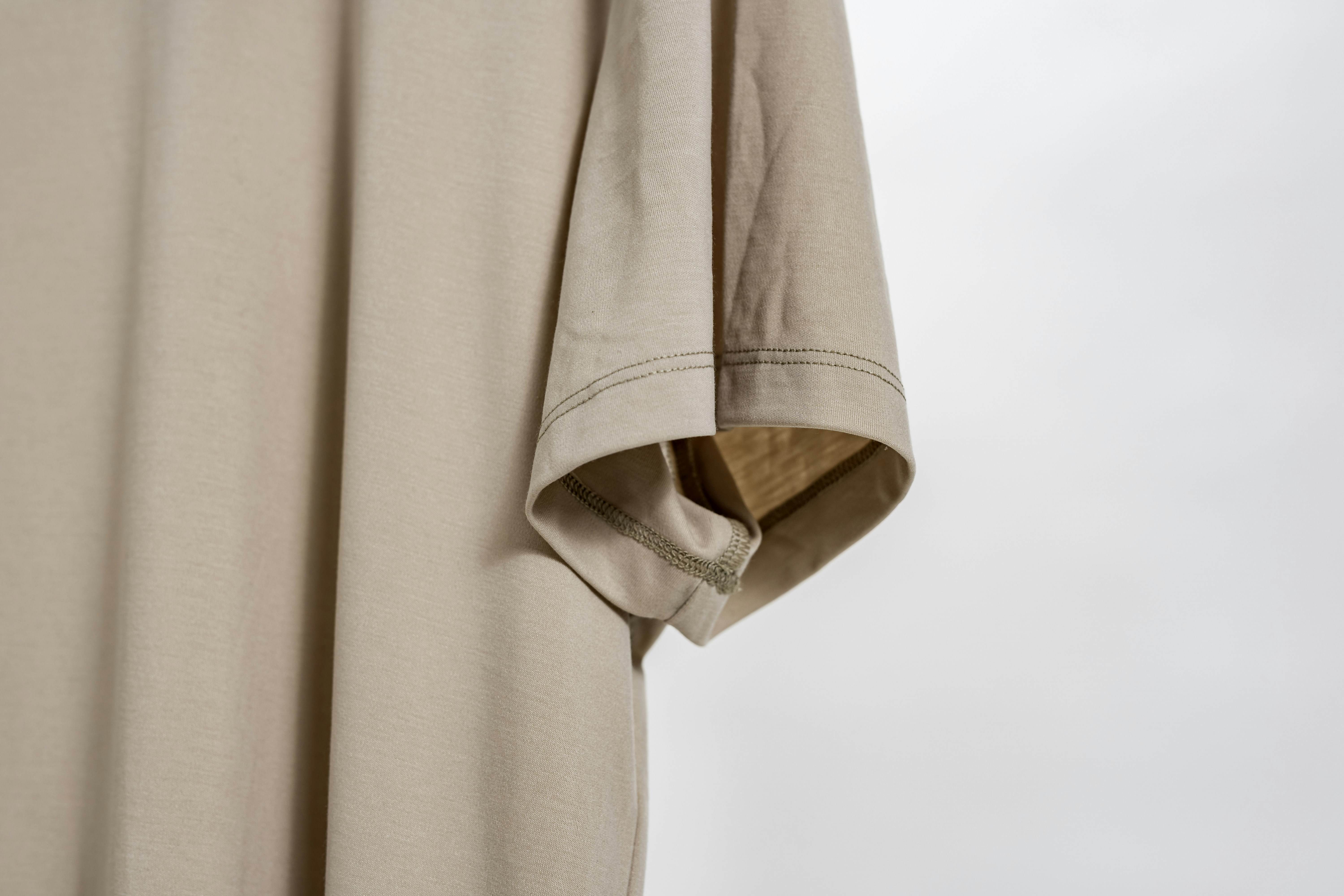
Elevating Style with Superior Drape
Drape is the term used to describe how a fabric hangs, falls, and flows under its own weight. A fabric with a superior drape moves fluidly and gracefully with the body, creating an elegant silhouette. This is a crucial feature for everyday activewear, as it enhances both comfort and style, making the garment look more expensive and feel more luxurious.
Unlike stiff fabrics that hold a rigid shape, a fabric with good drape conforms to the body's contours without clinging uncomfortably. This quality is determined by a complex interplay of several factors:
- Fiber and Yarn Properties: The type of fiber and how it is spun into yarn play a foundational role. Finer, more flexible fibers (like microfiber nylon) and yarns with a lower twist tend to produce fabrics with a softer, more fluid drape.
- Fabric Construction: The knit or weave structure significantly impacts how a fabric moves. Looser knits generally offer a better drape than tighter, more rigid constructions.
- Fabric Weight (GSM): While not the only factor, weight is important. Lightweight fabrics (under 150 GSM) are often more fluid and airy. However, a heavier fabric can still have excellent drape if it has low bending rigidity, as seen in some high-quality wool crepes. The goal is to find a weight that provides enough substance for opacity without sacrificing fluidity.
- Finishing Treatments: Certain chemical or mechanical finishes can soften a fabric, enhancing its hand-feel and improving its drape.
For everyday activewear, achieving a balance between a supportive structure and a beautiful drape is key. This ensures the garment is not only functional but also flattering and stylish enough for any occasion.
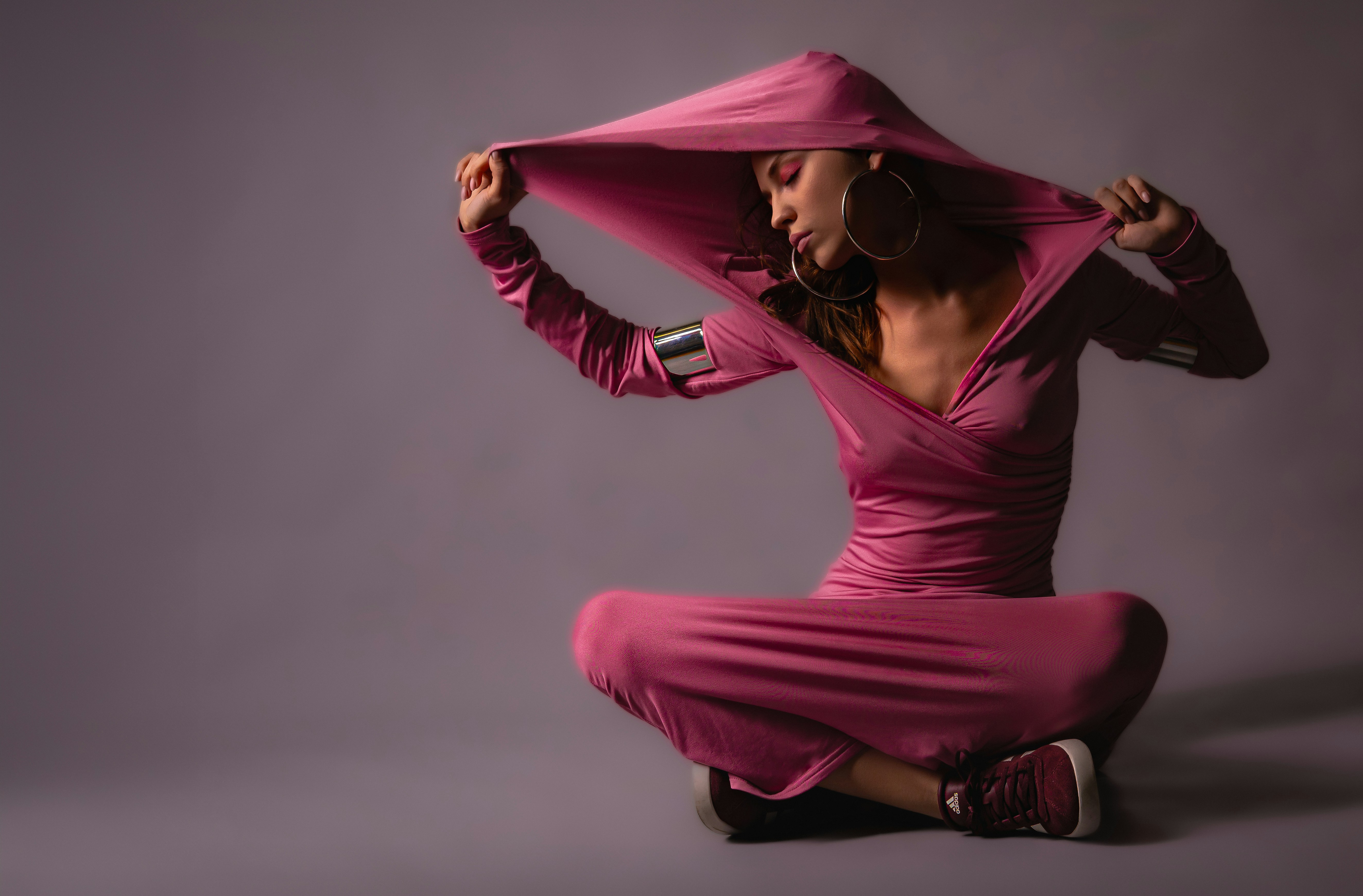
Durability Meets Comfort: Pilling Resistance and All-Day Wearability of Your Yoga Leggings Fabric
For a garment to become a true wardrobe staple, it must not only look and feel good on day one, but also maintain its quality and comfort over time. Durability, especially pilling resistance, and engineered all-day comfort are non-negotiable features for premium everyday activewear. This is particularly true for items like your yoga leggings fabric, which endure friction, stretching, and frequent washing.
Pilling Resistance: A Must for Lasting Quality
Pilling—the formation of small, fuzzy balls of fiber on a fabric's surface—is a common frustration that can make a brand-new garment look old and worn. It's caused by friction and abrasion during wear, where loose surface fibers break and become tangled. For everyday activewear that's constantly in motion and frequently laundered, resistance to pilling is a critical indicator of quality and durability.
Several factors influence a fabric's tendency to pill:
- Fiber Type and Length: Shorter staple fibers (like those in standard cotton) are more prone to pilling because they can easily come loose and tangle. Longer, stronger filament fibers, such as high-quality nylon and modern micro-polyester, are inherently more resistant to breaking and thus resist pilling more effectively.
- Yarn and Fabric Construction: Tightly spun yarns and dense, compact knit structures (like interlock) help to lock fibers in place, reducing the likelihood of them working their way to the surface.
- Finishing Processes: Some fabrics undergo anti-pilling treatments that further enhance their durability and help maintain a smooth surface.
In laboratory settings, pilling resistance is formally tested using methods like the Martindale test. During this test, a fabric sample is rubbed against another piece of the same fabric in a figure-8 motion for a set number of cycles. The result is then graded on a scale of 1 to 5, where 5 represents no change and 1 represents severe pilling. For high-quality activewear, a rating of Grade 4 or 5 is desired, indicating that the fabric will maintain its smooth appearance even with regular use.
Engineered for Enduring Comfort and Recovery
Beyond its initial look and feel, a premium activewear fabric must be engineered for longevity and exceptional comfort, especially when worn for extended periods. This involves two key characteristics: excellent shape recovery and thoughtful design details that enhance wearability.
-
Shape Recovery: This is a fabric's ability to "snap back" to its original form after being stretched. It's a critical component of enduring comfort and aesthetic appeal. Fabrics with poor recovery will sag or bag out at high-stress points like the knees and seat, making the garment look worn and ill-fitting. High-quality spandex fibers blended with a stable base like nylon or polyester are essential for ensuring superior recovery. This keeps the garment feeling snug, supportive, and flattering, wash after wash.
-
Compression vs. Comfort: Modern fabrics can be engineered to offer varying levels of compression. While high compression is beneficial for intense athletic performance (as it can support muscles and improve circulation), all-day activewear often calls for a more gentle, comfortable compression. This provides a supportive, smoothing effect without feeling restrictive, making the garment comfortable for hours on end.
-
"No-Dig" Design: A major point of discomfort in leggings and other form-fitting bottoms is a waistband that digs, rolls, or slides down. Premium activewear addresses this with wide, high-rise, and often seamless waistbands. These designs distribute pressure more evenly across the midsection, providing a secure, stay-put fit that doesn't pinch or create unflattering lines. This thoughtful construction is a hallmark of garments truly designed for all-day comfort.
-
Breathability and Moisture-Wicking: Even for non-athletic activities, the ability to manage moisture and allow air to circulate is key to all-day comfort. Technologies that pull sweat away from the skin keep the wearer feeling dry and fresh, whether they're commuting on a warm day or sitting in a heated office.
Ultimately, a fabric engineered for enduring comfort is one that you forget you're wearing. It moves with you, maintains its shape, and manages your microclimate, allowing you to go about your day with confidence and ease.
Key Takeaways: Your Quick Guide to Premium Activewear Fabrics
Navigating the world of activewear fabrics can be complex, but understanding a few core principles will empower you to choose materials that deliver on performance, aesthetics, and comfort. Here is a summary of the most important takeaways for creating a truly premium everyday activewear collection.
1. The Evolution Demands Versatility: Activewear is no longer confined to the gym. The modern consumer demands garments that transition seamlessly from a morning workout to daily life, including errands, work, and social activities. This shift requires fabrics that are not only high-performing but also stylish and comfortable enough for up to 10+ hours of wear. Comfort has become the number one priority, driving the need for fabrics that blend functionality with a sophisticated aesthetic.
2. Focus on the Four Pillars of Quality: When evaluating activewear fabric, concentrate on these four essential characteristics:
- Matte Finish: A non-reflective, matte surface provides a more premium, versatile, and flattering look. It easily transitions from athletic to casual settings and is achieved through specific yarn types and fabric finishing processes.
- Elegant Drape: This refers to how a fabric flows and hangs. A superior drape creates a graceful, flattering silhouette that moves with the body, elevating the garment's style and perceived value. It is influenced by fiber type, fabric weight (GSM), and knit structure.
- Four-Way Stretch and Recovery: The fabric must stretch in all directions for complete freedom of movement. Just as crucial is its "recovery"—the ability to snap back to its original shape. Excellent recovery prevents sagging and ensures the garment maintains its fit and support over time.
- Pilling Resistance: Pilling (the formation of small fiber balls) makes a garment look old and worn. Fabrics made from long, strong fibers like high-quality nylon and constructed with a dense knit are highly resistant to pilling, ensuring a longer lifespan and a lasting smooth appearance.
3. Choose the Right Synthetic Blend: For leggings and other form-fitting activewear, synthetic blends are king. The two top contenders are:
- Nylon-Spandex: The premium choice, known for its exceptional softness ("buttery" feel), superior strength, and excellent abrasion resistance. It offers a luxurious feel and a compressive, sculpting fit.
- Polyester-Spandex: The performance workhorse, celebrated for its outstanding moisture-wicking and quick-drying properties. It's ideal for high-sweat activities and is often a more budget-friendly option. In both blends, spandex (or elastane) is the key ingredient that provides the essential stretch and recovery.
4. Knit Structure is Non-Negotiable: The way a fabric is knitted fundamentally impacts its performance. For premium leggings, interlock knit is the gold standard. As a double-knit construction, it is inherently thicker, more stable, and more opaque than single jersey. This structure prevents sheerness (making it "squat-proof"), resists curling, and provides a smooth surface on both sides for a high-quality look and feel.
5. Design for All-Day Comfort: Beyond the fabric itself, garment construction is vital for enduring comfort. Look for features like:
- A "No-Dig" Waistband: Wide, high-rise waistbands that sit flat and distribute pressure evenly are crucial for a secure and comfortable fit that doesn't roll or pinch.
- Appropriate Compression: While high compression suits intense workouts, everyday activewear benefits from gentle-to-medium compression that smooths and supports without feeling restrictive.
By prioritizing these key attributes in your fabric selection and design process, you can create a collection that meets the sophisticated demands of today's consumer, offering versatile staples that provide confidence, style, and function throughout their dynamic lives.
Frequently Asked Questions (FAQ)
1. What's the best GSM for yoga leggings?
For premium yoga and everyday leggings, a fabric weight between 200 and 260 GSM (grams per square meter) is generally considered ideal. This range offers an excellent balance of opacity, support, and comfort.
- Below 200 GSM: Fabrics in this range might be too lightweight and could become sheer when stretched, compromising the "squat-proof" quality.
- 200–230 GSM: This is often the sweet spot for a "second-skin" feel that is supportive yet not restrictive, making it perfect for yoga, Pilates, and all-day wear.
- 240–260+ GSM: Heavier fabrics in this range provide greater compression and structure. They are excellent for high-intensity training or for those who prefer a more compressive, "held-in" sensation. For lighter color fabrics, a higher GSM (closer to 240 or above) is recommended to ensure full opacity.
2. Is 100% cotton good for activewear?
No, 100% cotton is generally not a good choice for activewear, especially for activities that involve sweating. While cotton is soft and breathable in casual contexts, it is highly absorbent (hydrophilic).
- It Absorbs Sweat: Instead of wicking moisture away from the skin, cotton soaks it up like a sponge, becoming heavy, wet, and clingy.
- It Dries Slowly: Once wet, cotton takes a very long time to dry. This can leave you feeling cold and uncomfortable post-workout and can lead to chafing and skin irritation.
- It Loses Shape: When saturated with moisture, cotton loses its structure and can stretch out and sag.
For these reasons, synthetic fabrics like polyester and nylon, or blends that incorporate them, are far superior for activewear because they are hydrophobic—they pull sweat away from the skin to evaporate quickly.
3. What's the difference between Spandex, Lycra, and Elastane?
There is no functional difference; all three terms refer to the exact same synthetic fiber known for its exceptional elasticity. The difference is purely based on naming and branding:
- Spandex: This is the generic term used predominantly in North America (USA and Canada). The name is an anagram of the word "expands."
- Elastane: This is the generic term used internationally, particularly in Europe and Asia.
- Lycra®: This is a registered brand name for a specific, high-quality elastane fiber originally developed by DuPont and now owned by The Lycra Company. Think of it like Kleenex for tissues or Band-Aid for adhesive bandages—Lycra is a well-known brand of elastane, but not all elastane is Lycra.
So, a fabric label that says "10% spandex" is functionally identical to one that says "10% elastane."
4. How does a matte finish affect fabric performance?
A matte finish primarily affects the aesthetic and tactile qualities of a fabric but generally does not negatively impact its core performance attributes like stretch or moisture-wicking. In fact, it often enhances the overall user experience.
- Aesthetics: A matte surface absorbs light rather than reflecting it, which creates a more sophisticated, understated, and often more flattering appearance. It is less likely to highlight skin texture compared to shiny fabrics.
- Versatility: The muted look of a matte finish allows activewear garments to transition more easily into casual or even semi-formal settings, increasing their versatility.
- Durability and Maintenance: Matte surfaces can be better at hiding minor scuffs or scratches compared to high-shine finishes. However, some matte coatings may be more susceptible to showing fingerprints or smudges.
- Performance: The underlying performance characteristics (stretch, recovery, breathability) are determined by the fiber composition (e.g., nylon/spandex) and the knit structure, not the finish. A high-performance fabric will remain high-performance whether it is finished to be matte or shiny.
Conclusion
The demands for activewear have evolved, making fabric selection a complex balance of performance, aesthetics, and enduring comfort. Prioritizing features like a matte finish, elegant drape, superior four-way stretch, and crucial pilling resistance ensures your products meet modern consumer expectations. A deep understanding of these fabric attributes is what separates ordinary activewear from premium, versatile wardrobe staples.
By mastering this knowledge, brands can deliver garments that empower individuals to move seamlessly through their day with confidence and style. It is this commitment to quality and innovation that transforms a piece of clothing into a trusted companion for the dynamic lifestyle of today's consumer.
At AOLAFREE China activewear manufacturer, we are dedicated to meticulously developing and sourcing high-quality activewear fabric. Our design philosophy ensures that every collection embodies innovation, durability, and the perfect blend of fashion and function, crafted to support and enhance the modern, active life. Reach out to AOLAFREE activewear supplier for fabric samples, technical datasheets and custom fabric development.