Custom Yoga & Pilates Wear Manufacturer
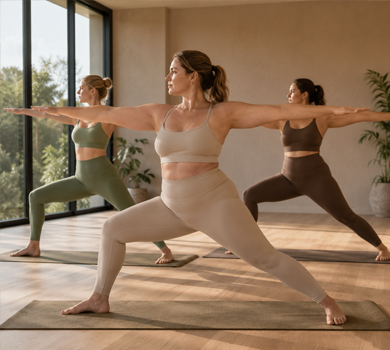
Private Label Activewear Solutions for Yoga, Pilates & Studio Brands
OEM/ODM · Private Label · Custom Fabric · Custom Colors · Flexible MOQ

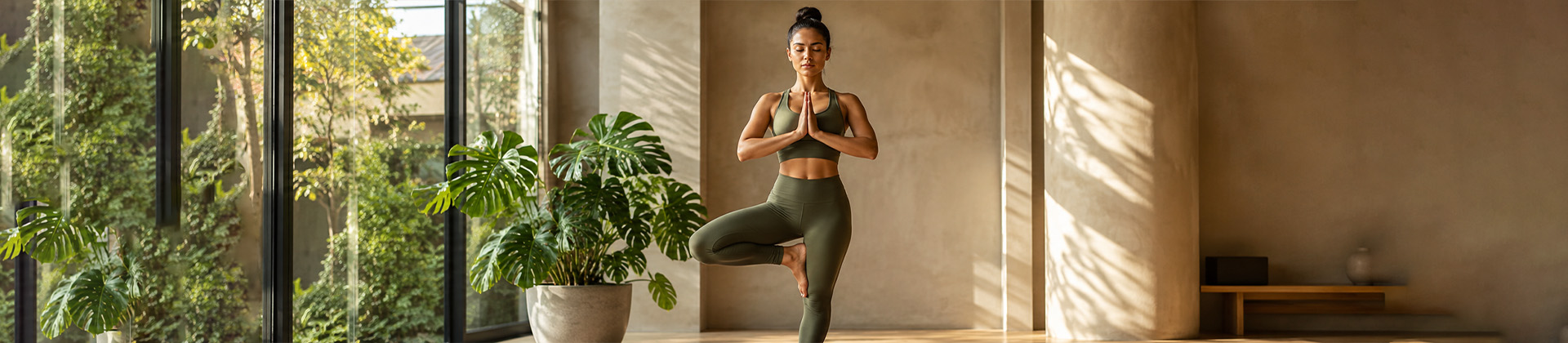
Private Label Activewear Solutions for Yoga, Pilates & Studio Brands
OEM/ODM · Private Label · Custom Fabric · Custom Colors · Flexible MOQ
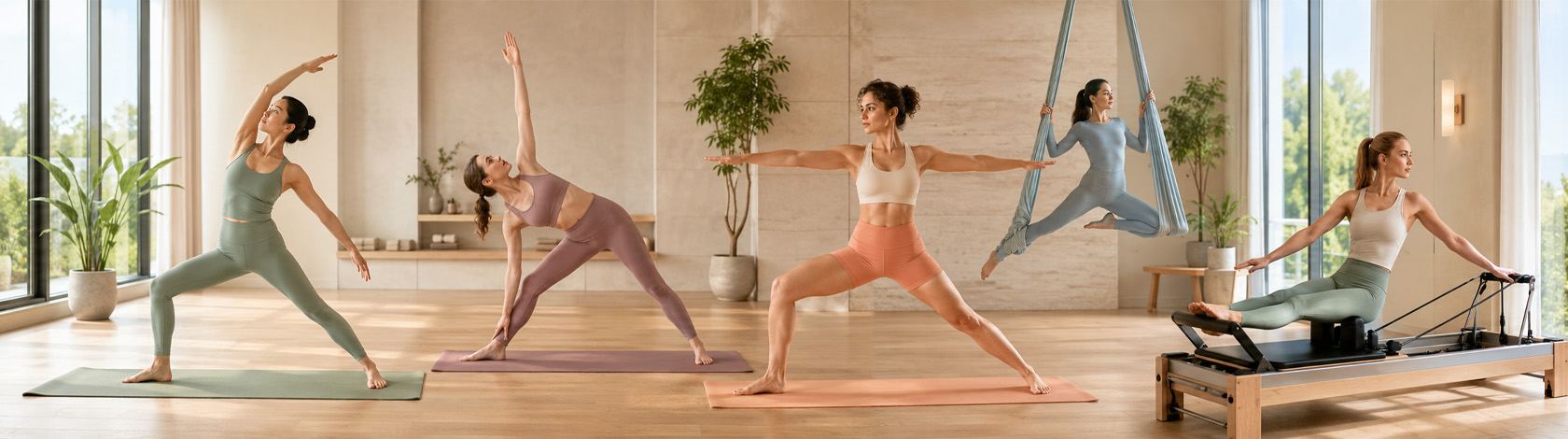
Recommended Products
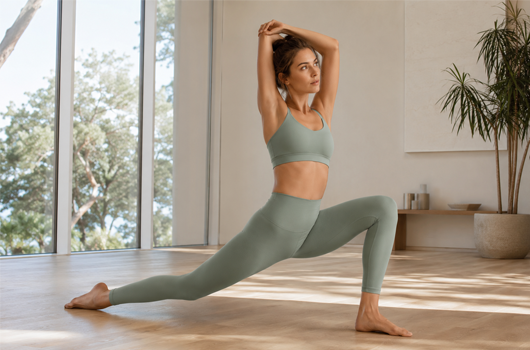
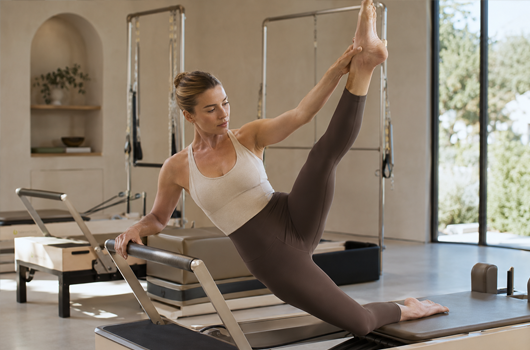
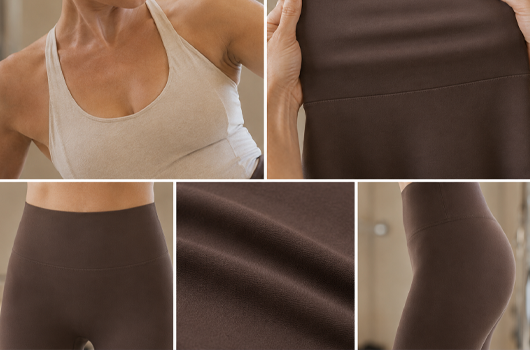
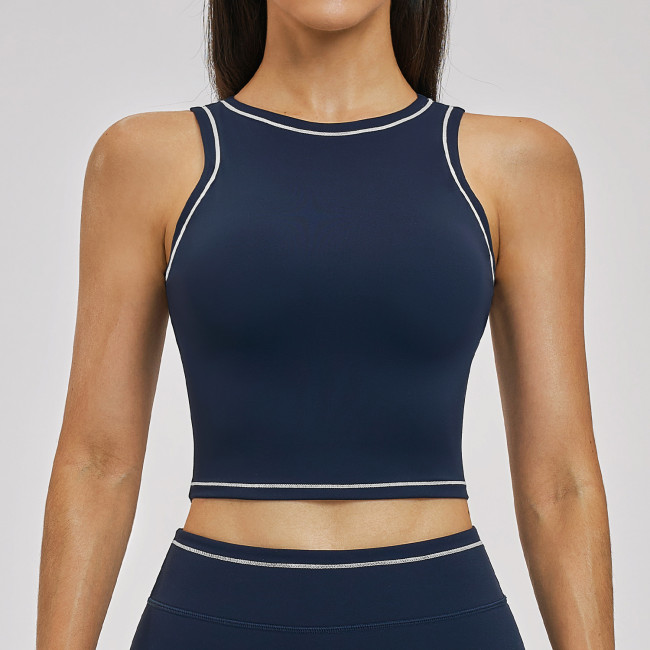
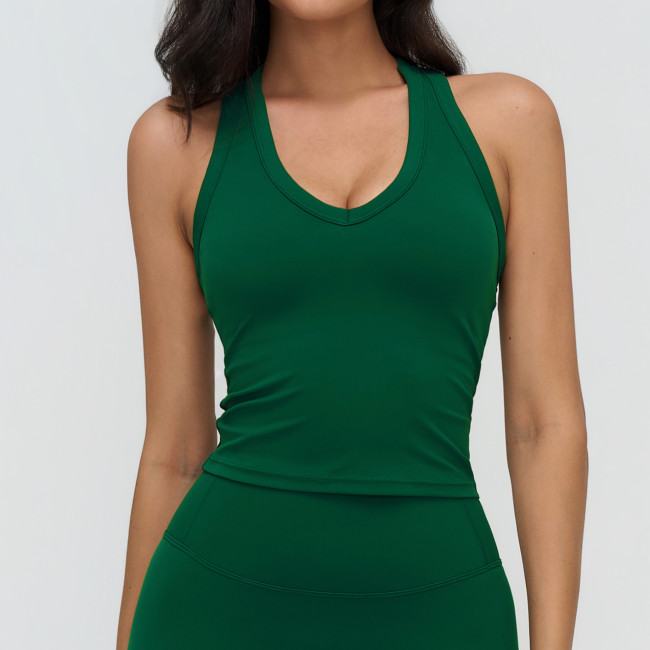
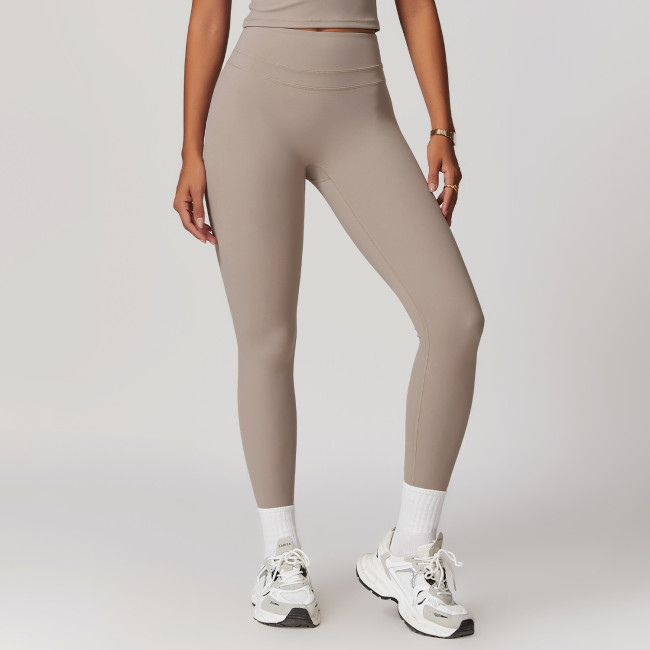
High-rise leggings · Soft tanks · Lightweight yoga tops
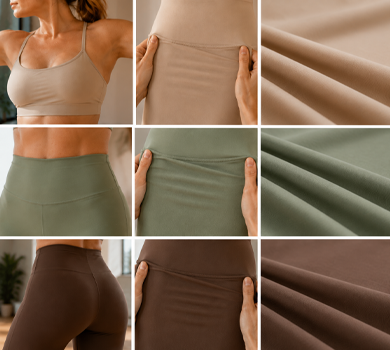
Fabric Direction
Soft-touch nylon-spandex · Medium stretch · Lightweight fabrics
Development Focus
Comfort · Gentle support · Easy movement · Everyday studio wear
Ideal For
Yoga studios · Beginner yoga collections · Lifestyle activewear brands
Recommended Products
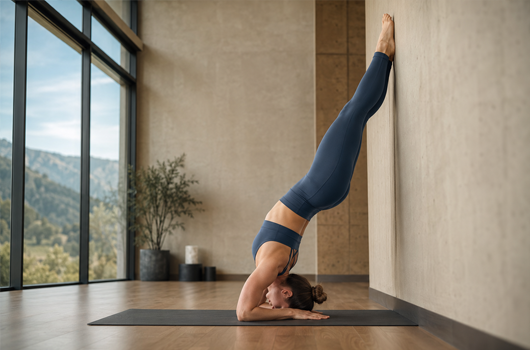
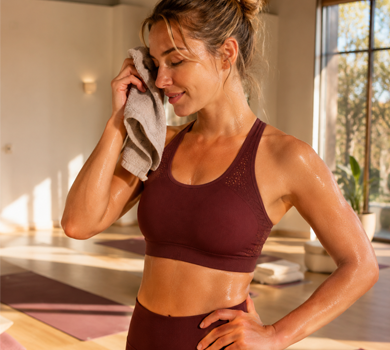
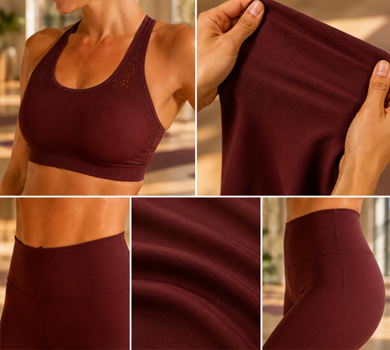
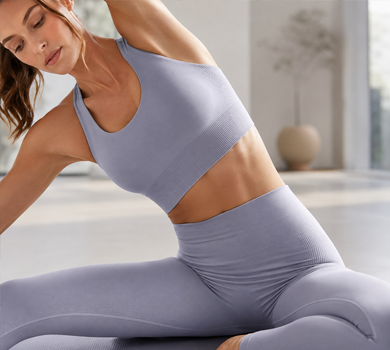
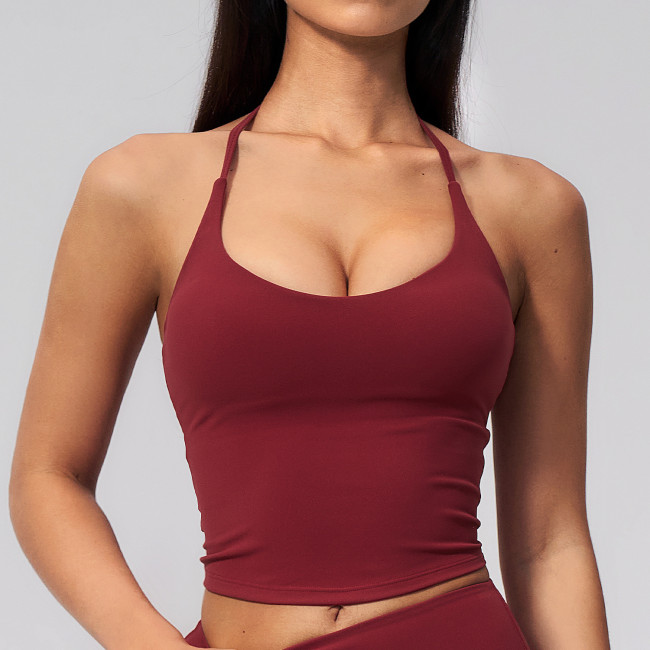
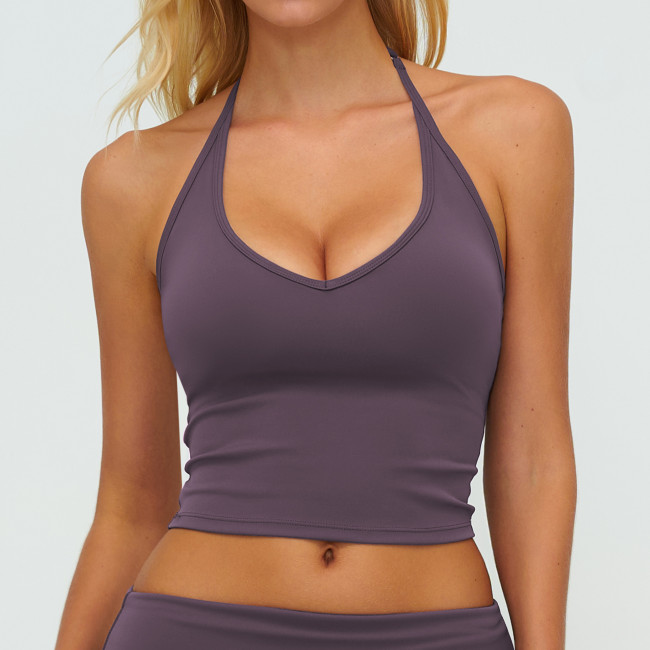
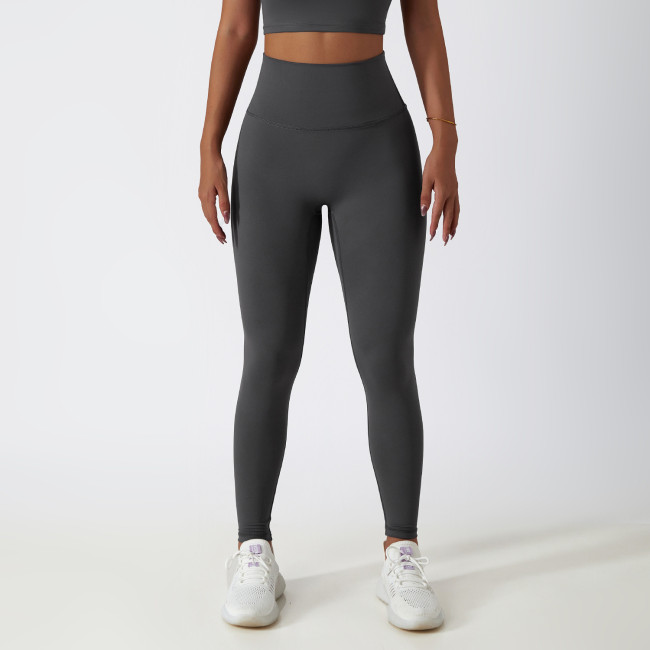
High-rise leggings · Fitted tanks · Supportive sports bras
Fabric Direction
Four-way stretch · Moisture-wicking nylon-spandex
Development Focus
Secure fit · Shape retention · Sweat management
Fabric Direction
Lightweight
Quick-dry
Moisture-wicking
Breathable
Product Direction
Sports bras
High-rise shorts
Lightweight leggings
Product Direction
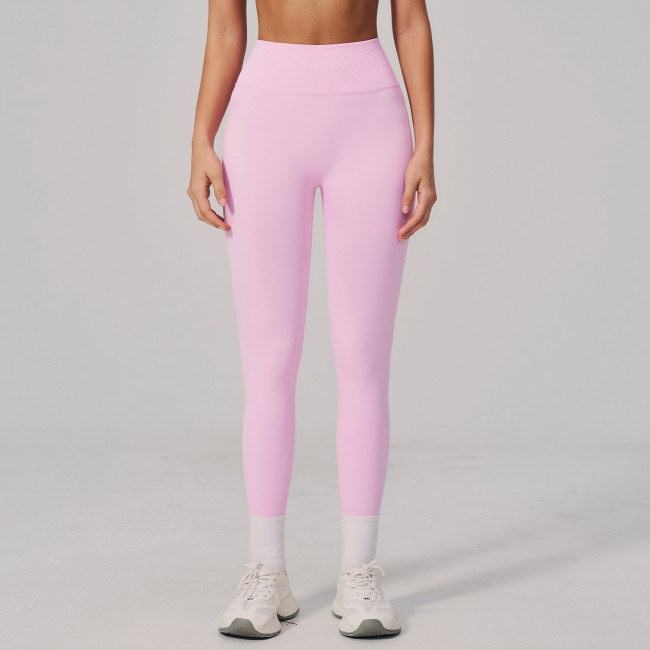
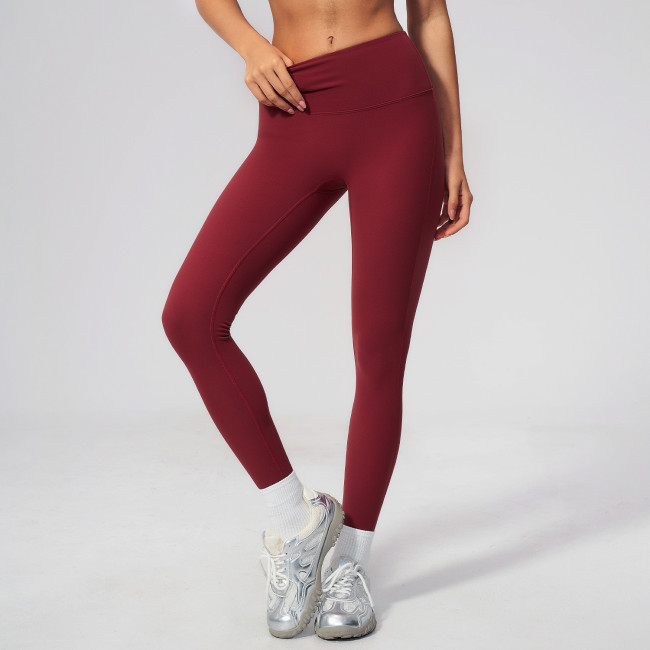
High-rise leggings
Fitted tops
Light-medium support bras
Development Focus
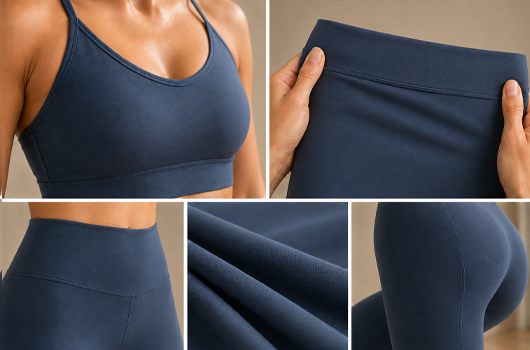
Clean silhouette
Soft compression
Stretch recovery
Smooth waistband
High-rise leggings
Fitted tops
Light-medium support bras
Development Focus
Clean silhouette
Soft compression
Stretch recovery
Smooth waistband
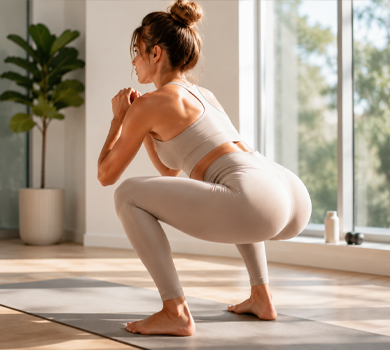
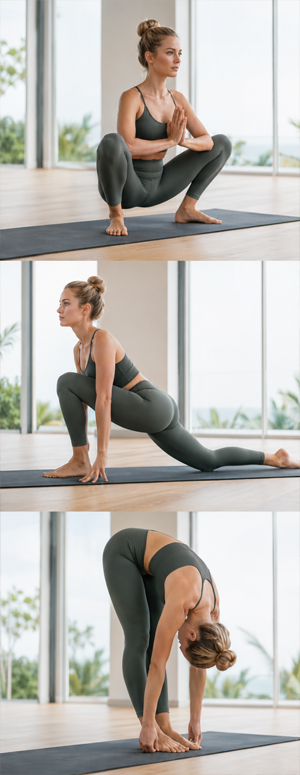
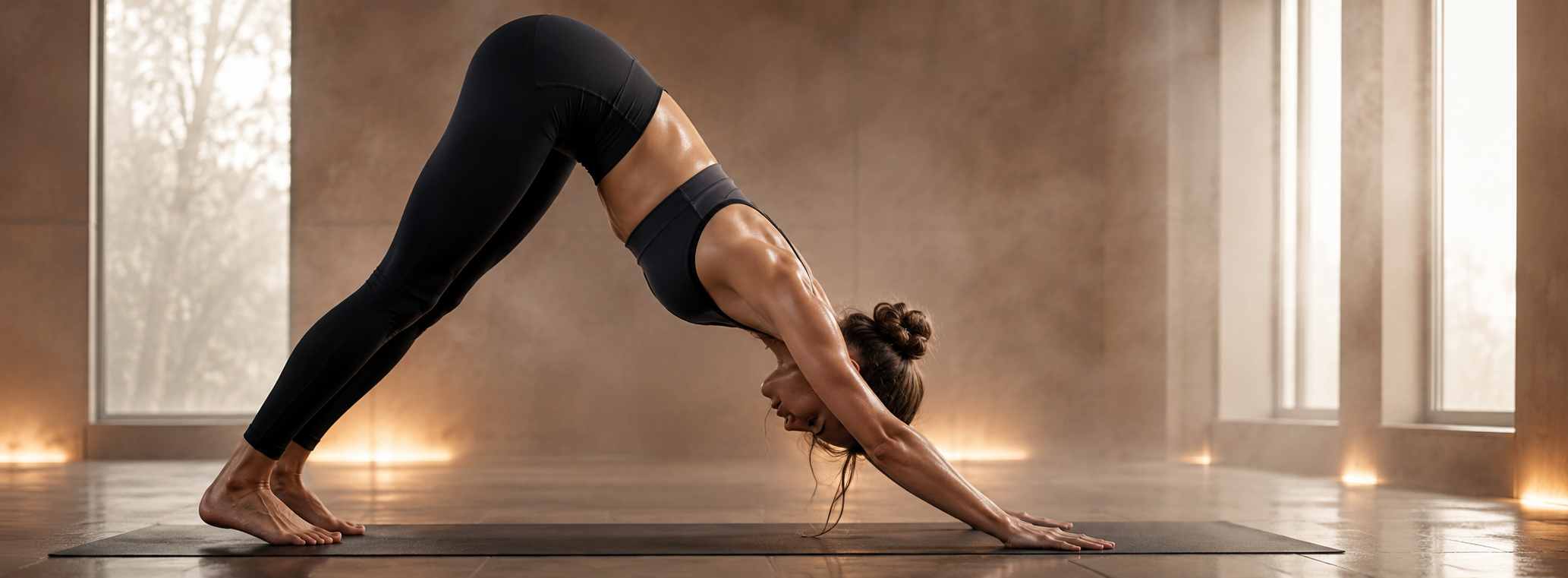
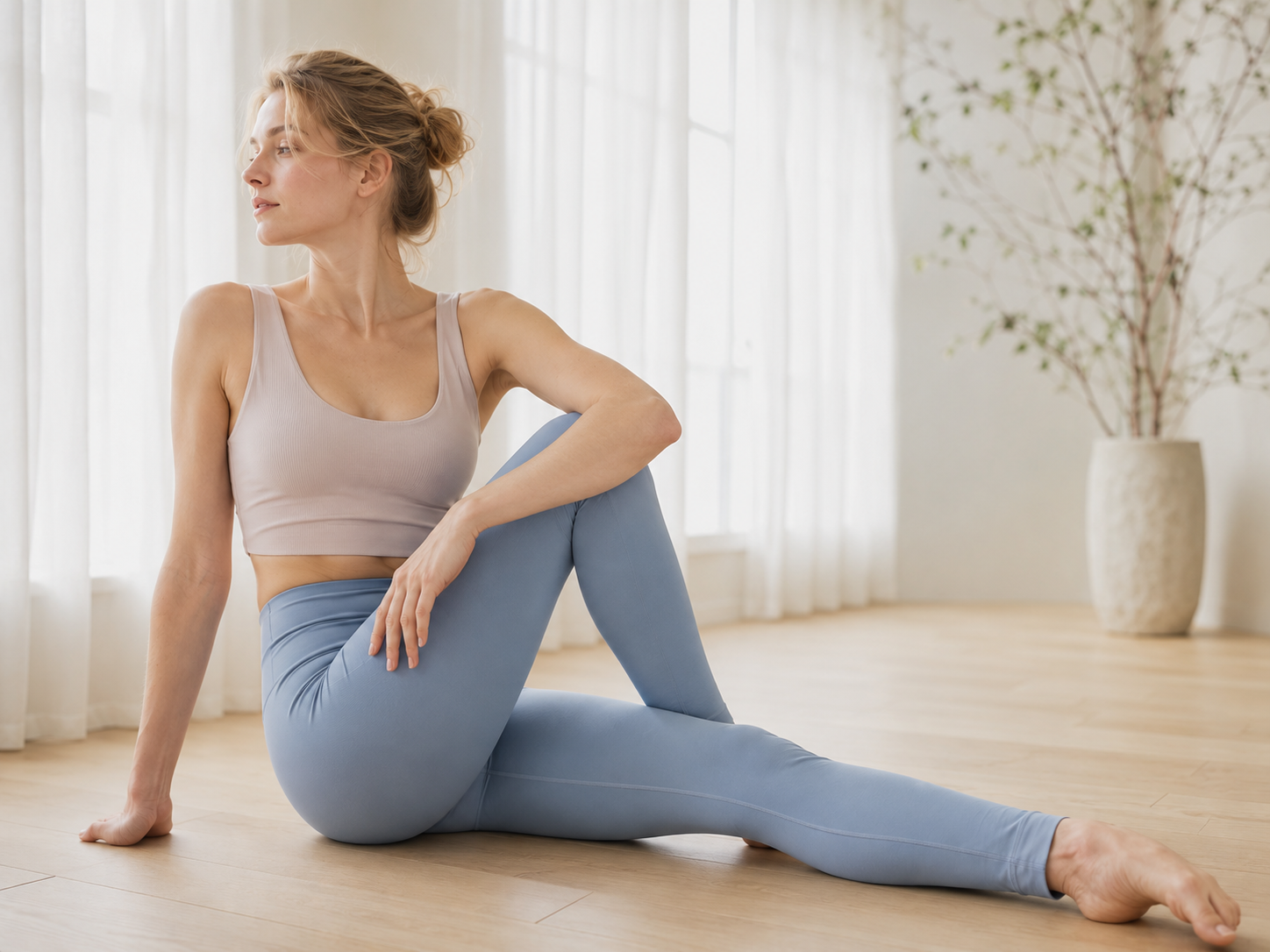
Four-way stretch is the most fundamental and essential fabric feature of yoga wear. It allows the fabric to stretch evenly both horizontally and vertically, preventing any restrictive or “stuck” feeling during deep squats, forward folds, pigeon pose, and other wide-range movements.
The most common fabric composition is a blend of nylon and spandex/elastane, with the spandex content typically ranging from 15% to 25%.
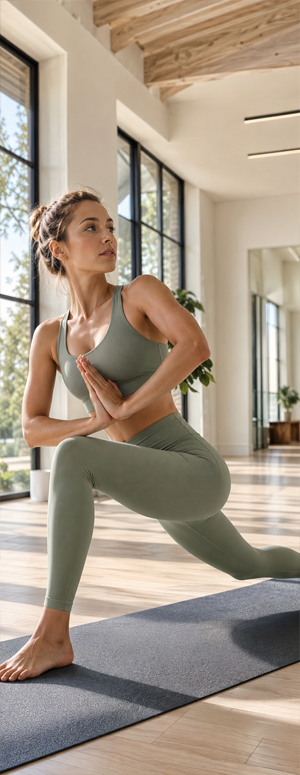
Sweating can be intense during hot yoga and high-intensity Vinyasa sessions. Performance fabrics use capillary action to quickly draw moisture away from the skin and transfer it to the outer surface of the fabric, where it can evaporate faster.
Look for fabrics labeled “Moisture-Wicking” or “Quick-Dry.” Yoga wear with a high cotton content is generally unsuitable for hot yoga classes.
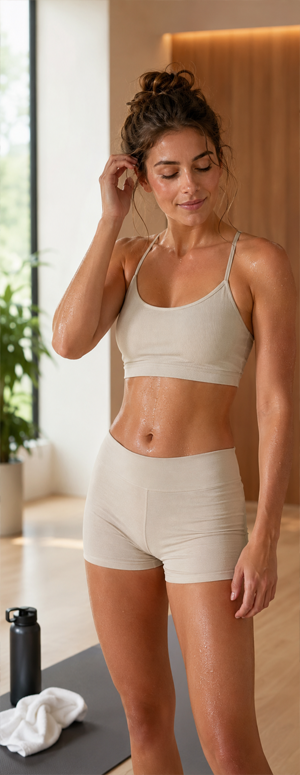
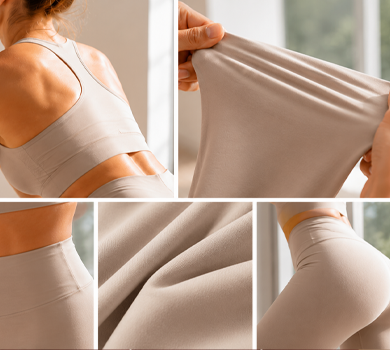
One of the biggest concerns when buying yoga leggings is whether they become see-through during a deep squat. High-quality yoga wear balances fabric thickness with knitting density, keeping the garment lightweight and breathable while remaining opaque when stretched.
When shopping for light-colored leggings, stretch the fabric firmly over your hand to test how much light passes through it.
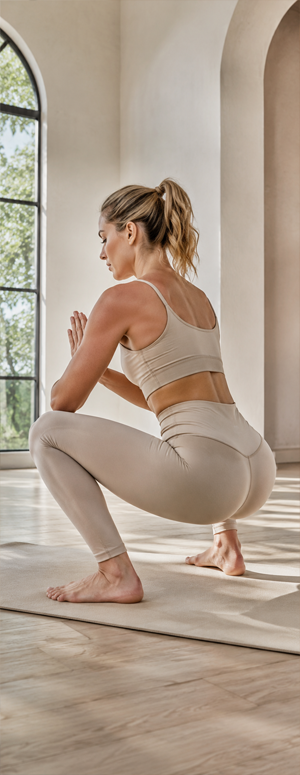
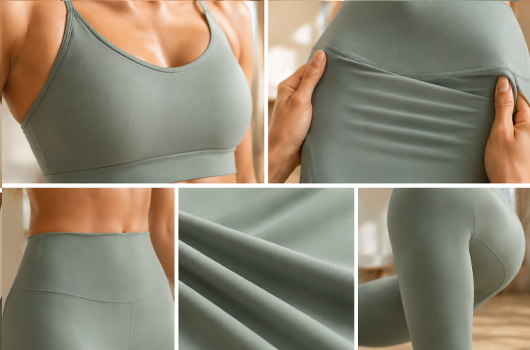
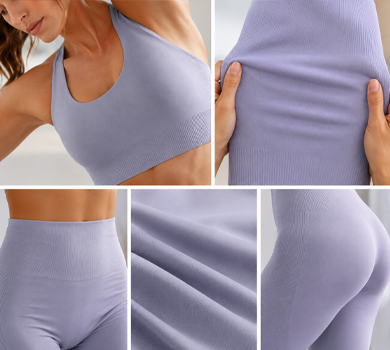
Raised seams on traditional sportswear can feel uncomfortable during long periods of mat-based practice. Flatlock construction creates smooth seams that lie flat against the skin.
This makes a significant difference during poses performed on the back, side-lying exercises, shoulder stands, and other positions where the body presses directly against the mat.
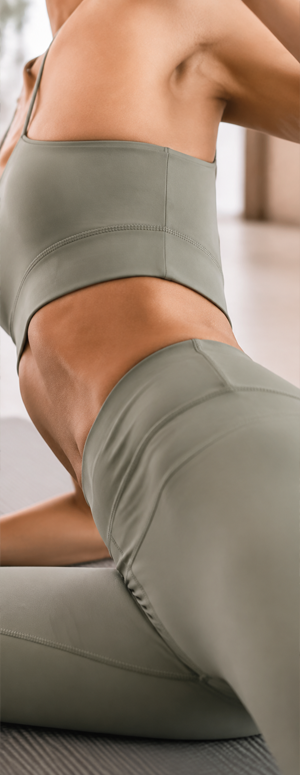
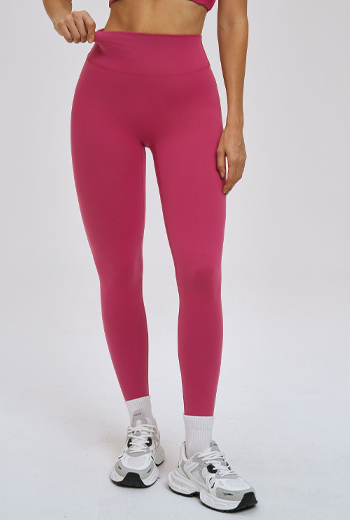
Hundreds of abdominal curls in Pilates and repeated forward folds in yoga require a stable waistband. Without enough support, the practice can quickly turn into the awkward experience of constantly pulling up your leggings.
Choose high-waisted yoga leggings with a wide 8–12 cm waistband and an integrated anti-slip silicone grip for better stability and roll-resistant support.
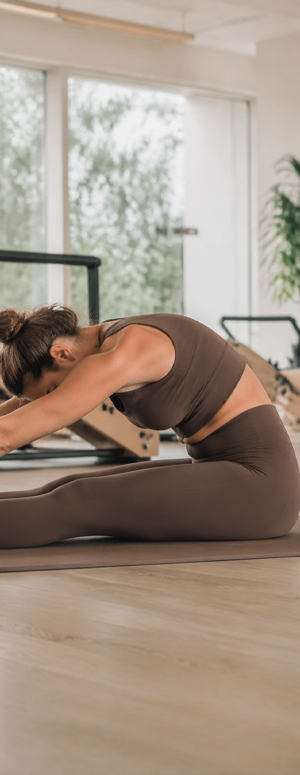
Stretch alone is not enough for high-quality yoga wear. The fabric must also return to its original shape after repeated stretching, bending, and washing. Poor recovery can cause leggings to become loose around the knees, hips, and waistband, reducing both support and overall appearance.
Choose fabrics with strong elasticity recovery and a stable nylon–spandex blend. High-quality yoga wear should maintain its compression, fit, and shape even after long-term use.
Fabric Options
Nylon-Spandex · Polyester-Spandex · Recycled Fabrics
Design Options
High Rise · Seamless Front · V-Waist · Flared · 7/8 Length
Performance Focus
Four-Way Stretch · Shape Retention · Squat-Proof
Best For
Yoga · Pilates · Studio Training
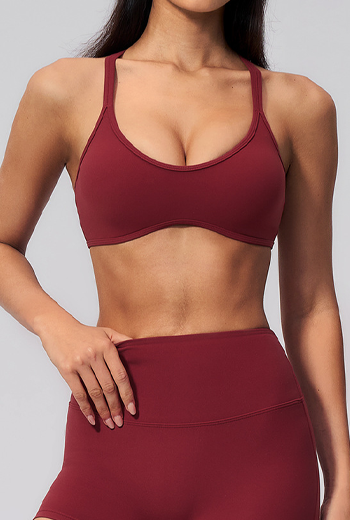
Design Options
Wide straps
Racerback
Cross-back
Longline
Removable padding
Support
Light to Medium Support
Best For
Yoga · Pilates · Studio
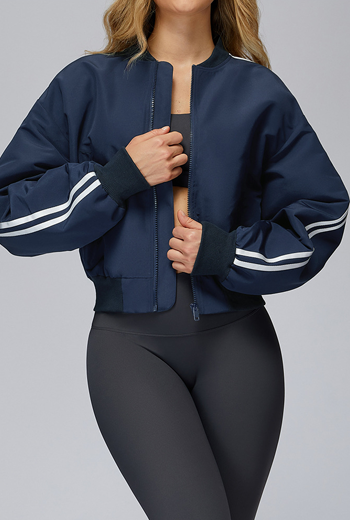
Loose knit cardigan or hoodie (forbefore and after class), easy to put onand take off without messing up
hairstyle.
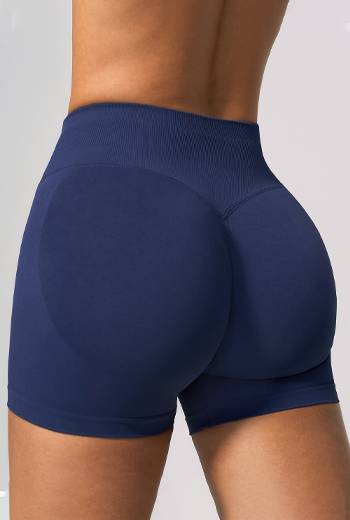
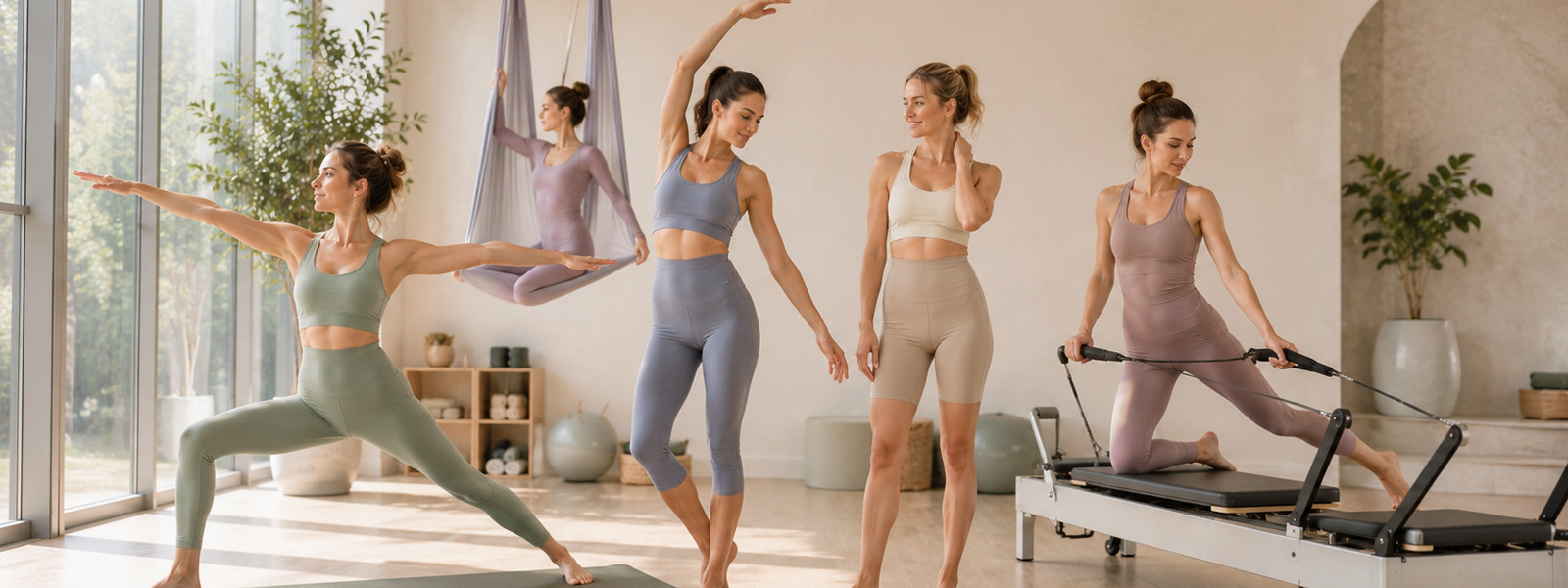
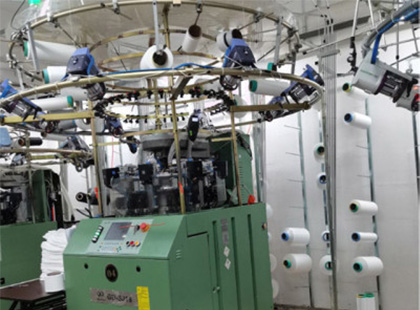

We provide professional production services based on your design and brand needs. Whether you are an established brand or a startup, we can ensure that your ideas are implemented quickly and maintain high quality standards.
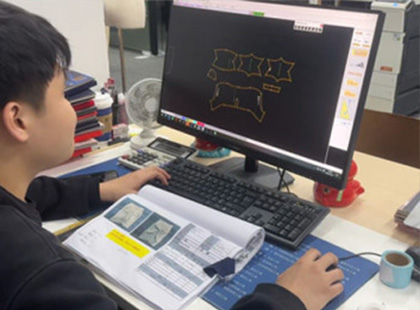

If you need design support, our ODM service provides a one-stop solution from trend insights to finished products. With our professional design and manufacturing team, we can help you create a unique product line.
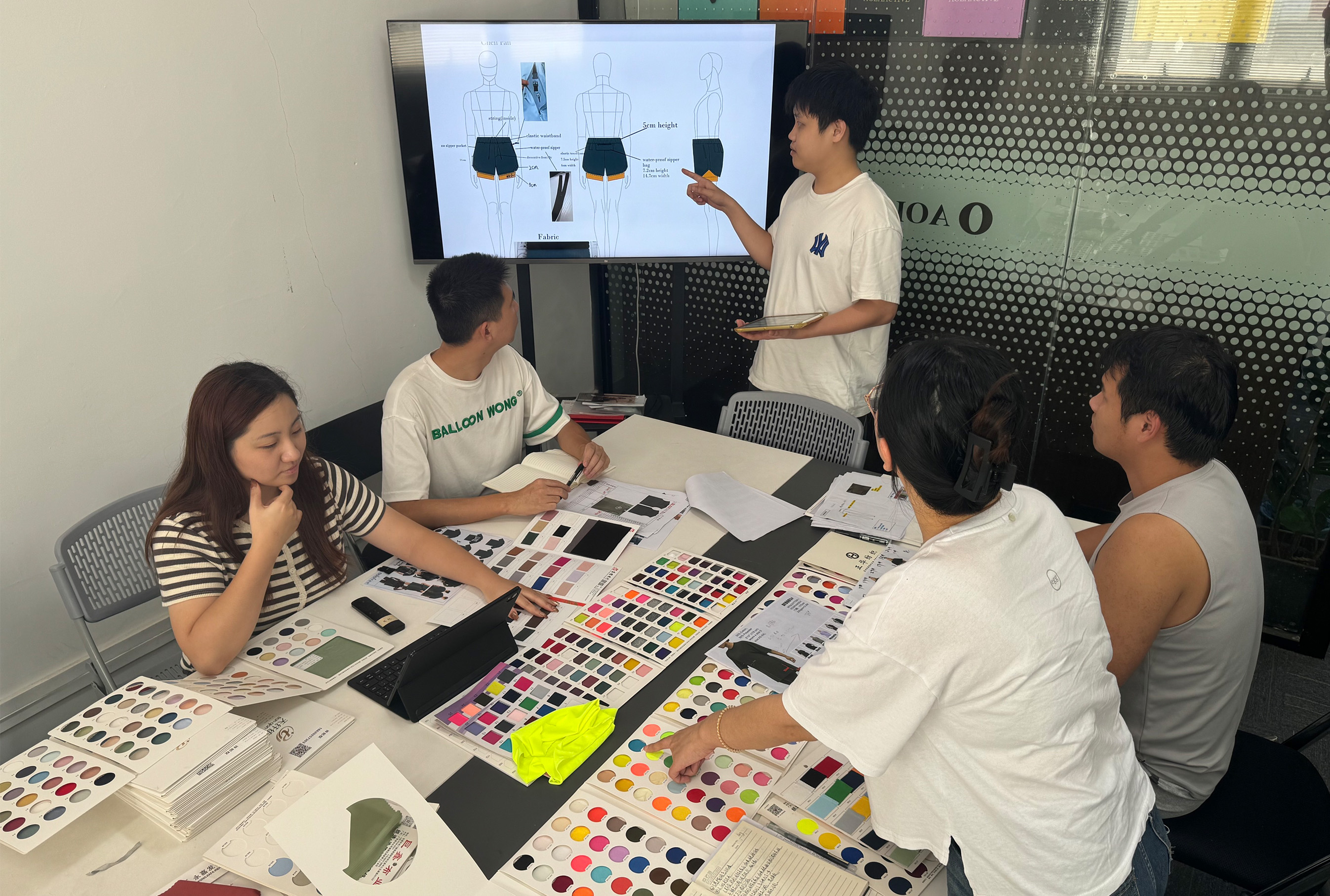

Such as customized size chart, collar length, sleeves and pants width/length, which crucial as they are determine the comfort and fit of the clothing.

Providing instruction on sewing method and Craft,like stitching and sewing thread use,which are important to ensure the product quality.

Tech pack guide with the details of fabric and weight will be uesed, the factory can select correct fabric according to the requirements, to ensuring the sample or bulk products are meets the needs.

Tech pack also need to include quality requirements, such as yarn quality standard, sewing density,ironing,and packaging ect. Which help supplier understand client’s requirements and standard of whole process, ensuring the products meets the needs during the production.

The Product will include all accessories like logo, label, tags, zipper, packaging ect., which will make sure to Calculate accurate quotation and production delivery time.
WhatsApp:+86 18594216311
Email: elena@aolawear.com
Address:Building B4, Zhimei industrial Park, xixiang Street, Bao'an, shenzhen City, 518100 , Guangdong , China