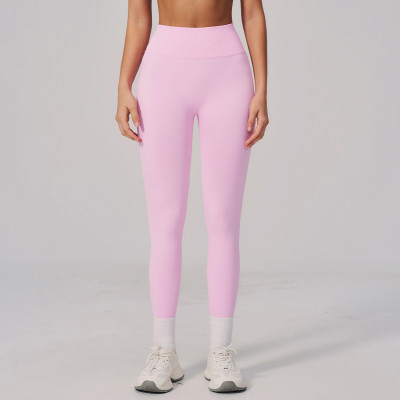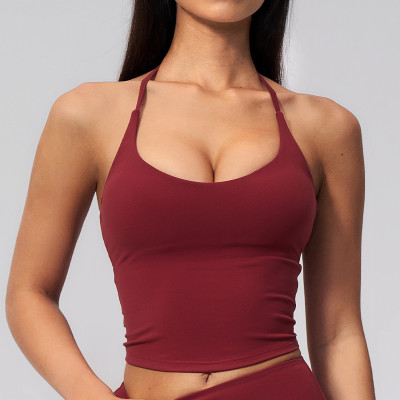

Custom Jumpsuits & Bodysuits Manufacturing: The Complete Guide to Yoga Jumpsuits, One-Piece Activewear & Private Label
There is a garment that solves the hardest problem in activewear — what do I wear that looks intentional, moves perfectly, and takes zero styling effort? — and it is the most underestimated category in the market: the jumpsuit.
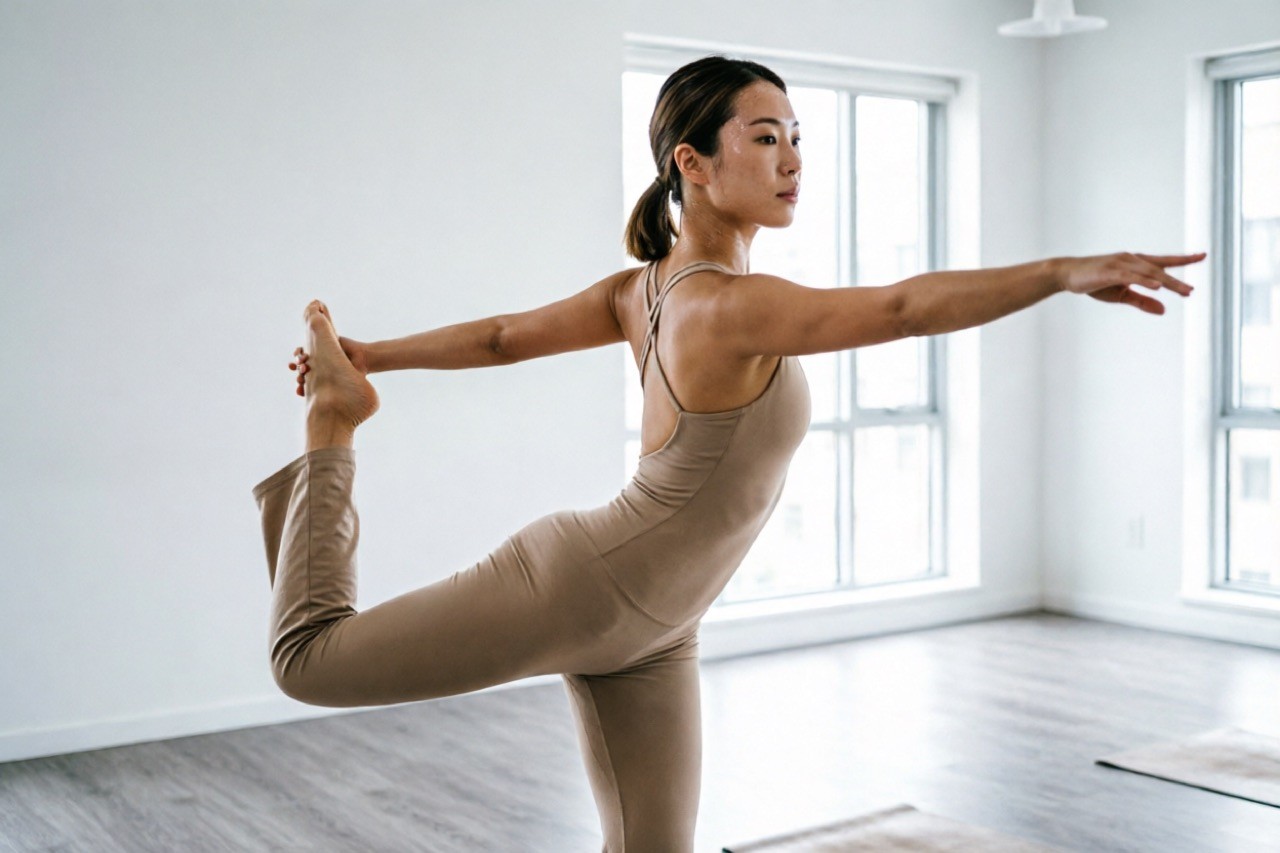
One piece. One silhouette. One decision. That is the entire pitch, and it is a powerful one. Yoga jumpsuits, one-piece bodysuits, onesies and rompers have moved from fashion-week novelty to a permanent, fast-growing segment of the activewear market — and for manufacturers, they represent one of the most interesting engineering challenges in the business.
The numbers explain the momentum. The global activewear market is projected to grow from USD 460.61 billion in 2025 to USD 487.86 billion in 2026, reaching USD 652.43 billion by 2031 at a 5.99% CAGR (Mordor Intelligence, Activewear Market Report 2026). Yoga and Pilates is the fastest-growing activity segment, forecast to expand at 6.81% CAGR through 2031, and the women's end-user segment is growing at 7.13% CAGR — the fastest of any group. Jumpsuits and bodysuits sit exactly at the intersection of those two growth curves: women's yoga and studio wear.
This guide covers how custom jumpsuits and bodysuits are designed and manufactured — the pattern engineering, seamless technology, fit challenges, print and branding options, quality control and sourcing process — backed by current market data and peer-reviewed research on the fabrics and construction behind one-piece activewear.
Part 1: The One-Piece Opportunity — Why Jumpsuits and Bodysuits Are Growing
The Convenience Economy
Athleisure's rise was built on garments that work across contexts: gym, errands, coffee, travel. The jumpsuit is the extreme expression of that idea — one garment, complete outfit. For time-poor consumers, it removes the hardest daily decision in fitness: coordinating separates.
The Data Behind the Category
| Indicator | Value | Source |
|---|---|---|
| Global activewear market, 2025 | USD 460.61 B | Mordor Intelligence 2026 |
| Global activewear market, 2031 (forecast) | USD 652.43 B | Mordor Intelligence 2026 |
| Activewear CAGR, 2026–2031 | 5.99% | Mordor Intelligence 2026 |
| Yoga & Pilates segment CAGR | 6.81% (fastest activity) | Mordor Intelligence 2026 |
| Women's segment CAGR | 7.13% (fastest end-user) | Mordor Intelligence 2026 |
| Premium segment CAGR | 7.53% | Mordor Intelligence 2026 |
| Mass segment share, 2025 | 63.81% | Mordor Intelligence 2026 |
Two facts drive jumpsuit demand specifically:
- Yoga & Pilates is the fastest-growing activity segment at 6.81% CAGR — and one-piece yoga wear (jumpsuits, onesies, bodysuits) is a defining silhouette of modern studio fashion.
- The women's segment grows at 7.13% CAGR — jumpsuits and bodysuits are overwhelmingly a women's category, with premium styles growing even faster (7.53% CAGR) as consumers pay for better fabrics and fit.
What the Search Data Shows
The site's own keyword data shows intense buyer intent around one-piece activewear: "private label yoga jumpsuit" and "private label yoga onesie" rank in the top 3 for the domain, and queries like "oem one piece yoga bodysuit," "global yoga jumpsuit suppliers," "custom jumpsuits for women" and "jumpsuit wholesale supplier" all rank within the top 20. Demand is not speculative — it is already reaching manufacturer websites.
Part 2: The Category Map — Jumpsuits vs. Bodysuits vs. Onesies
These terms are used interchangeably, but they are different products with different manufacturing requirements.
| Type | Definition | Manufacturing complexity |
|---|---|---|
| Jumpsuit | One-piece garment covering torso + legs (long or cropped) | High — two leg panels + torso must balance in one pattern |
| Bodysuit | One-piece torso garment with snap/button closure at the crotch | Medium — fitted, high-stretch, snap placket engineering |
| Onesie / Romper | One-piece with short legs or none (romper = shorts-length) | Medium-high — fit-critical at the rise |
| Yoga jumpsuit | Jumpsuit designed for yoga movement; usually high-stretch, often with a built-in bra or shelf bra | Very high — movement engineering |
Why One-Piece Garments Are Harder to Make Than They Look
A jumpsuit is a legging and a top joined into one pattern — but joining them creates three unique engineering problems:
- Torso-to-leg proportion — the rise (crotch-to-waist distance) must fit multiple body heights in one size. Length grading is the hardest part of jumpsuit fit.
- Movement conflict — a top needs freedom at the shoulders; a bottom needs freedom at the hips; one-piece construction must deliver both without fabric pooling or pulling.
- The dressing problem — bodysuits need functional closures (snaps, zippers); jumpsuits need entry strategies (zippers, wrap designs, stretch). This affects construction complexity and cost.
Part 3: Fabric Technology for One-Piece Activewear
The Fabric Requirements
A jumpsuit demands more from fabric than any two-piece outfit: it must stretch in every direction (four-way stretch), recover completely (or the knees and seat bag out), wick moisture (whole-body sweat coverage), and drape well (one-piece silhouettes show every fabric flaw).
The Standard Compositions
| Style | Recommended composition | GSM | Key properties |
|---|---|---|---|
| Yoga jumpsuit (long) | 75/25 nylon/spandex | 220–260 | Four-way stretch, squat-proof, high recovery |
| Seamless bodysuit | Nylon/spandex seamless knit | 180–240 | Zero side seams, body-mapped compression |
| Summer jumpsuit / romper | 80/20 polyester/spandex | 150–190 | Lightweight, quick-dry, breathable |
| Ribbed jumpsuit | Nylon/elastane rib knit | 220–280 | Structure + stretch, premium hand feel |
| Lounge jumpsuit | Modal/cotton/spandex or brushed nylon | 200–260 | Softness, drape, comfort-first |
What the 2024–2026 Research Says About Performance Fabrics
The science behind one-piece performance wear is advancing fast:
- A 2025 study in ACS Applied Materials & Interfaces demonstrated a biomimetic moisture-wicking fabric with 671% accumulative one-way transport capacity and 0.80 overall moisture management capacity (Yu et al., 2025) — the kind of fabric technology that keeps a full-coverage garment comfortable through a complete practice.
- A 2026 study in the same journal reported a Janus textile with 69.2% solar reflectivity and 98.3% mid-infrared emissivity, cooling skin by ~5.0°C versus cotton under sun (Dai et al., 2026) — relevant for outdoor practice and travel wear.
- A 2024 study in Small developed a 3D wetting-gradient Janus sports bra fabric that kept water content on the skin side at ≈0% while maintaining durability over 500 laundering cycles (Min et al., 2024) — a direct proof point for built-in bra and shelf-bra jumpsuit designs.
Seamless Technology — The Natural Fit for One-Piece
Seamless knitting is where jumpsuits and bodysuits shine: the entire garment — torso, legs, and even support zones — can be knitted in one continuous piece with body-mapped knit densities: firmer support at the waist and bust, mesh ventilation in the back and underarms, compression in the glute panel, and relaxed zones at the joints. Zero side seams means zero chafing across a full range of motion — exactly what yoga and studio practice demand.
Part 4: Design and Fit Engineering — The Hard Part
Length and Rise Grading
The #1 reason jumpsuits fail commercially is poor fit across heights. Standard grading must account for:
- Inseam and rise variation across the size range.
- Torso length vs. leg length — one size cannot serve all proportions; brands typically offer regular/tall (and sometimes petite) options, which means two grading sets.
- Adjustable features — drawstrings, elastic shirring at the waist, and adjustable straps add fit forgiveness to a one-piece garment.
Entry and Closure Strategies
- Snap crotch (bodysuits) — the standard for fitted bodysuits; snap placket must be flat and invisible under leggings.
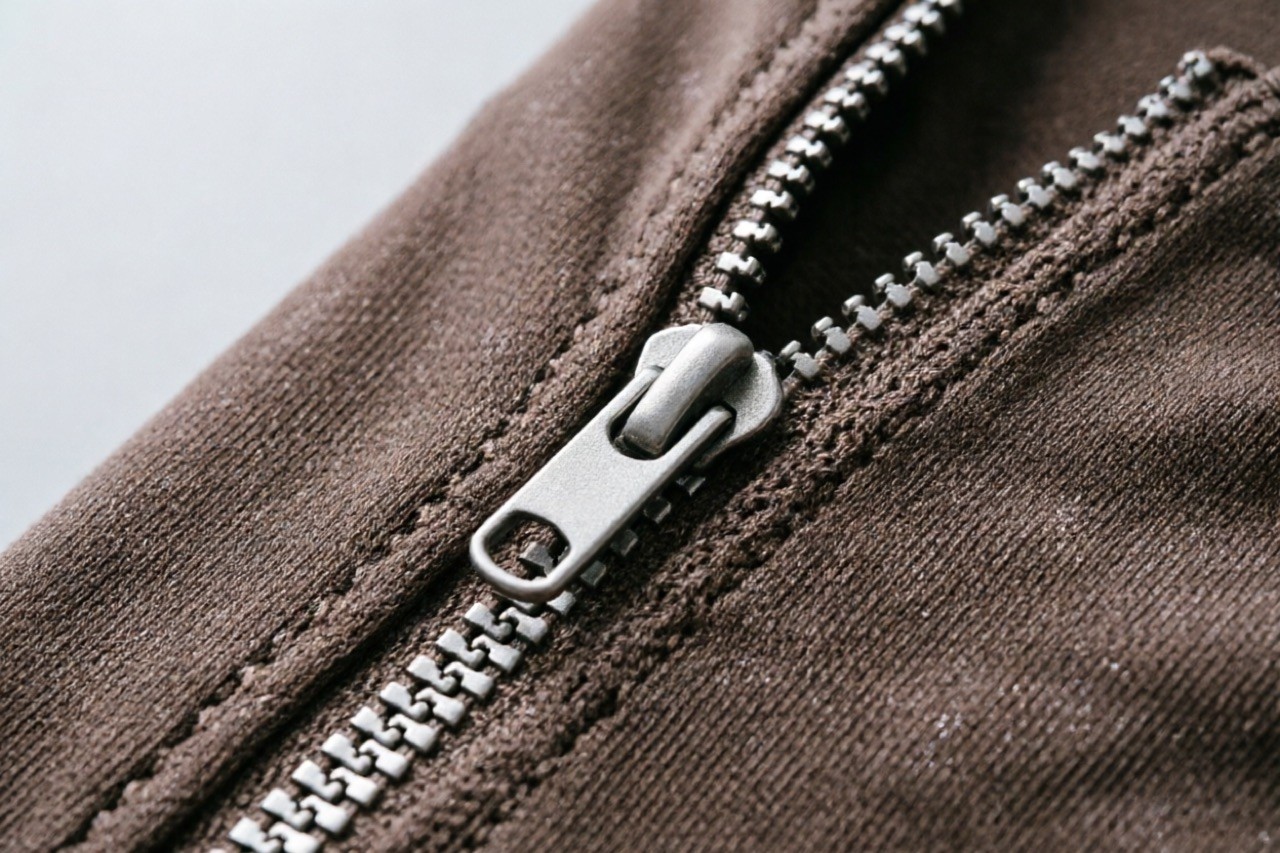
- Back or side zippers (jumpsuits) — invisible zippers preserve the clean silhouette; the zipper tape must be soft and flat against the skin.
- Wrap and tie designs — no closure needed, but pattern must be engineered so the wrap stays put in movement.
- Stretch entry (seamless styles) — high-stretch seamless garments can be pulled on without closures; requires precise recovery so they don't sag.
Built-In Bras and Shelf Bras
The most requested feature in yoga jumpsuits and bodysuits is an integrated bra. This is an engineering challenge: the bra zone needs higher compression and support, the cups need shaping (molded, padded or seam-free), and the transition from bra zone to body must be invisible under fabric. This is where a manufacturer's pattern and knitting expertise really shows — see how we engineer these in our custom jumpsuits program.
Part 5: The Manufacturing Process — From Brief to Bulk One-Piece
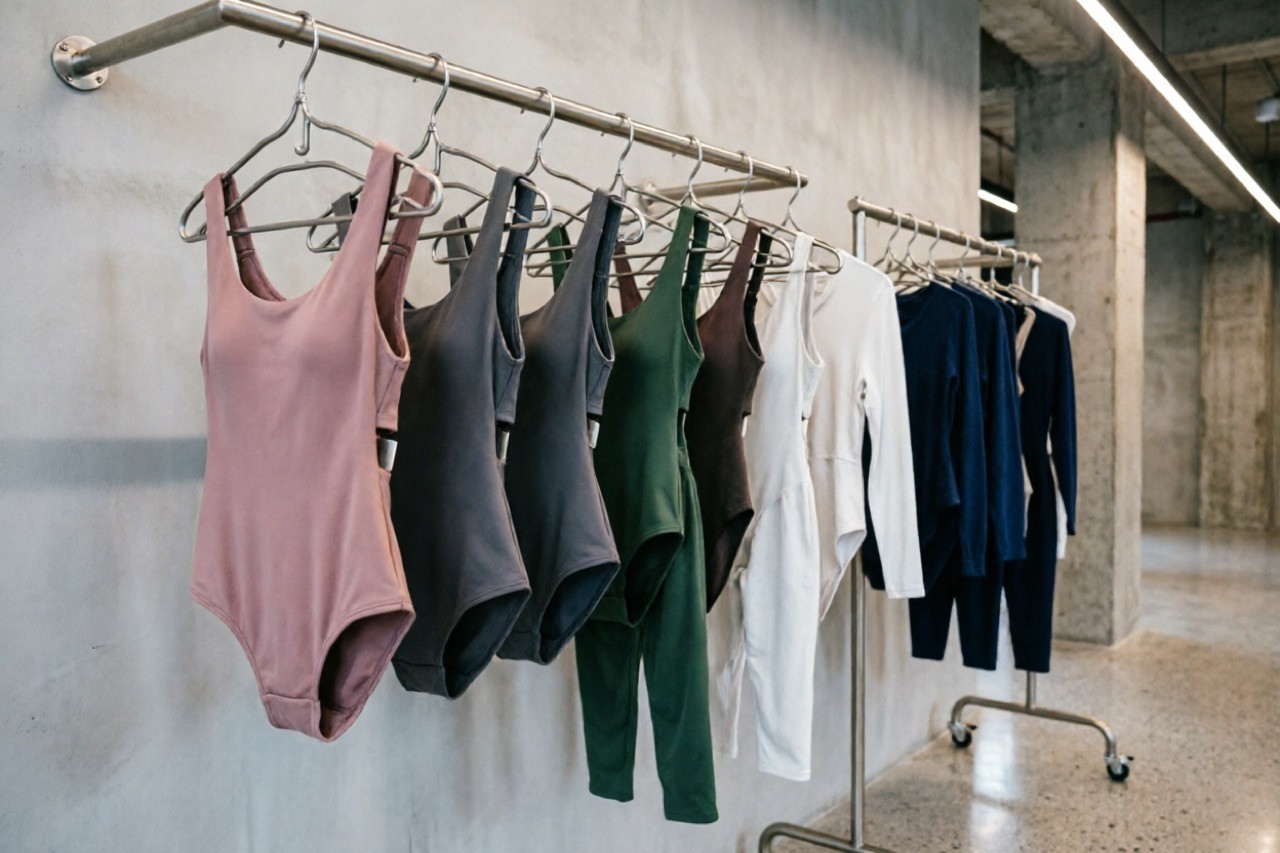
Step 1: Concept and Tech Pack
Because one-piece garments are complex, the tech pack is critical: flat measurements, rise and inseam specs, closure details, fabric composition and GSM, bra-zone specifications, print/trim placement and grading instructions.
Step 2: Pattern and Fit Development
Pattern makers draft the one-piece pattern, then conduct fit sessions on real bodies across the size range — essential for jumpsuits, where length and rise issues only appear on body. Expect 2–3 sampling rounds for a well-engineered jumpsuit (more than for separates).
Step 3: Sample and Wear-Testing
The pre-production sample should be wear-tested through the target activity — yoga, dance, training — checking for ride-up, gapping, sagging and chafing. A serious OEM/ODM partner will do this testing with you, not after you.
Step 4: Bulk Fabric and Cutting
Bulk fabric is inspected and laid up; one-piece garments are cut with marker layouts optimized for fabric yield (a larger, complex pattern means marker efficiency matters even more for cost).
Step 5: Sewing and Assembly
Jumpsuits move through more sewing stations than separates: closures, bra construction, torso assembly, leg assembly, hemming. Stitch quality at the crotch and closure areas is critical — these are the highest-stress zones.
Step 6: Quality Control
AQL inspection, measurement verification (rise, inseam, length), closure function checks, print/trim verification, and wash-testing on bulk fabric.
Part 6: Quality Checks for One-Piece Samples
Before approving bulk production, run these checks:
- Rise test — sit, squat, and fold forward; the rise must stay comfortable without gapping or digging.
- Length check — verify inseam and total length against spec; check how the hem behaves when the wearer raises arms overhead (the hem should not ride up excessively).
- Closure test — open and close snaps/zippers 50+ times; check for distortion and snagging.
- Recovery test — stretch and release across the seat and knees; the fabric must snap back.
- Bra-zone test — the built-in bra must stay in place through movement without rolling or shifting.
- Wash test — 3 washes minimum; check rise distortion, seam puckering and print integrity.
Part 7: Branding, Prints and Customization
What Works on One-Piece Garments
- All-over sublimation — the signature look of modern yoga jumpsuits; gradient and color-block prints work beautifully on one-piece silhouettes (polyester fabrics only).
- Silicone and heat-transfer logos — clean, low-profile branding on seamless styles.
- Woven labels — premium placement options (neck, waistband, back of neck).
- Color blocking — since jumpsuits are one big canvas, strategic color blocking creates the illusion of separates — a favorite design trick of athleisure brands.
- Functional trims — reflective details for outdoor practice, hidden pocket zippers, thumb holes on long sleeves.
Private Label vs. OEM vs. ODM
- Private label — you bring the design; the factory produces under your label.
- OEM — you provide specs and patterns; the factory executes.
- ODM — the factory contributes design and development; ideal for brands without an in-house design team.
Most jumpsuit brands work in an ODM/private-label hybrid. Our women's activewear manufacturer hub explains how these models are structured, and our yoga set and jumpsuits product groups show the range.
Part 8: Sustainability for One-Piece Activewear
Recycled Fibers
Recycled nylon and recycled polyester are increasingly available for jumpsuit programs. The biodegradation data is worth knowing: a 2026 Biodegradation study found 100% cotton fabrics degraded 93–95% within one month and completely within four months, while 100% PET and rPET showed no degradation after 7 months (Erayman Yüksel & Korkmaz, 2026). Recycled synthetics aren't biodegradable, but they reduce virgin plastic use — communicate the benefit accurately.
Dyeing and Finishing
One-piece garments use more fabric per unit, so fabric-level sustainability choices (recycled fibers, low-impact dyeing, water recycling) have an outsized impact versus smaller garments. Ask your manufacturer for certification details and fabric traceability.
Durability as Sustainability
The most sustainable garment is the one that lasts — and for a complex one-piece garment, construction quality determines lifespan. A well-built jumpsuit with proper recovery and reinforcement outlasts three cheap ones. This is a genuine selling point for premium positioning.
Part 9: MOQ, Pricing and Lead Times
MOQ
- Seamed jumpsuits/bodysuits: typically 300–500 pieces per color per style.
- Seamless styles: higher MOQs (500–1,000+) due to machine constraints.
- Low-MOQ programs: some custom jumpsuit manufacturers — including AOLAFREE — offer flexible starts (100–200 pieces) on stock fabrics for startups and studios.
Pricing Drivers
Fabric composition and GSM, seamless vs. seamed, closures (zippers/snaps), built-in bra complexity, print method, and order volume. Seamless one-piece styles with integrated bras sit at the premium end.
Lead Times
- Sampling: 10–20 days per round (complex patterns need more iterations).
- Bulk: 35–55 days (custom-dyed or custom-knit fabric adds 2–4 weeks).
- Shipping: 2–4 weeks sea; 3–7 days air.
Details on thresholds: MOQ and pricing, sample policy.
Part 10: Common One-Piece Manufacturing Mistakes
- Under-engineering the rise. The most common jumpsuit failure — buyers approve a sample on a hanger, and the rise fails on a real body. Always fit-test on bodies in movement.
- Grading lengths like separates. Jumpsuits need torso AND leg grading; using a legging inseam scale for a jumpsuit guarantees poor fit.
- Cheap closures. Snaps that pop, zippers that snag — closures are the #1 durability complaint in bodysuits. Use tested, branded hardware.
- Fabric with poor recovery. One-piece garments magnify bagging; low-recovery fabric sags at the knees and seat within hours.
- Skipping wear-testing. A jumpsuit that passes a static fit test can fail completely in downward dog. Test through the actual activity.
- Ignoring the dressing experience. If customers can't get in and out of the garment easily, they won't rebuy. Closure strategy is a UX decision, not just a construction one.
Part 11: Where One-Piece Fits in Your Range
Jumpsuits and bodysuits are complementary — not competing — products for brands with leggings and sports bras:
- Yoga brands add seamless jumpsuits as a premium hero product.
- Studio brands sell branded bodysuits as merch and uniform pieces.
- Athleisure brands use jumpsuits for travel, commute and lifestyle drops.
- Dance and barre brands use one-piece styles for their combination of coverage and freedom.
They cross-sell naturally with the rest of the collection. Pair them with custom leggings, sports bras and tank tops, or read our activewear fit guide and outfit formulas for product development inspiration.
Ready to Build Your One-Piece Line?
Jumpsuits and bodysuits are the fastest-moving premium category in women's activewear — riding the 6.81% CAGR of yoga & Pilates and the 7.13% CAGR of the women's segment, with buyer demand already visible in search ("private label yoga jumpsuit," "custom jumpsuits for women," "oem one piece yoga bodysuit" all rank in our site's top 20). But they are also the most engineering-intensive garments to make: rise grading, closures, integrated bras, seamless body-mapping, and movement testing separate the brands that launch a jumpsuit once from the brands that build a franchise on it.
At AOLAFREE, one-piece activewear is one of our specialties. As a custom activewear manufacturer we design and produce yoga jumpsuits, seamless bodysuits, onesies and rompers — with women's-specific pattern engineering, movement-tested fits, optional integrated bras, seamless body-mapped construction, and AQL quality control. Explore the custom jumpsuits product group or the jumpsuit manufacturing program to see what we build.
Tell us about your one-piece project — silhouette, fabric preference, closures, bra requirement, sizes and volume — and we will engineer a sample for fit and movement testing, with honest feedback on what will and won't work at your price point. Request a quote and MOQ details, read our sample policy, or contact our team directly — we typically respond within one business day.