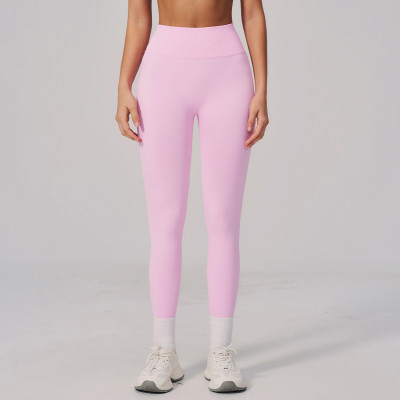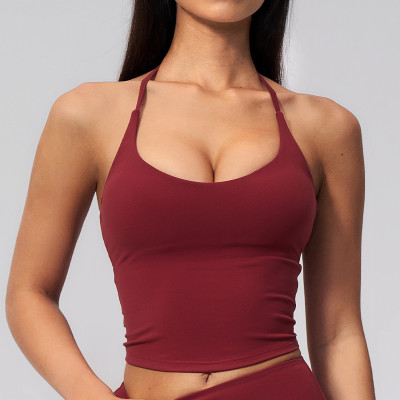

Everything You Need to Know About Custom Activewear Fabric: An AOLAFREE Activewear Supplier's Perspective.
As a leading AOLAFREE activewear supplier, we know firsthand that the secret to exceptional performance wear lies deep within its fibers. Beyond just aesthetics, the very foundation of successful athletic apparel is the custom activewear fabric chosen. It’s the invisible engine that dictates comfort, functionality, brand perception, and ultimately, customer loyalty. The right material can transform a good workout into a great one, while the wrong choice can lead to discomfort, distraction, and disappointment.
In this comprehensive guide, we'll share our insider perspective on navigating the complex world of fabrics, ensuring your activewear manufacture results in garments that truly empower athletes and delight customers. We believe that understanding these crucial material choices is the first step to elevating your brand from just another label to a trusted name in performance apparel. Let's unravel the science and strategy behind selecting the perfect textile for your vision.
Key Takeaways
Choosing the right fabric is the most critical decision in activewear development, directly influencing every aspect of the final product. Here are the essential points to remember:
- Performance is Paramount: The core function of activewear is to support physical activity. This is achieved through key fabric properties like moisture-wicking, which keeps the wearer dry and comfortable, and breathability, which prevents overheating.
- Fabric Dictates Function: Different activities demand different fabric characteristics. High-stretch materials like Spandex blends are essential for yoga and pilates, while durable, weather-resistant fabrics are necessary for outdoor running and hiking.
- Synthetics vs. Naturals: Synthetic fabrics like polyester and nylon are the workhorses of the industry, offering unparalleled durability, moisture management, and stretch. Natural options like Merino wool and bamboo provide unique benefits such as temperature regulation and a softer feel, catering to specific market niches.
- Advanced Technologies Add Value: Features like antibacterial treatments for odor control, UV protection for sun safety, and compression technology for muscle support can significantly enhance a garment's value and appeal.
- Sustainability is the Future: The demand for eco-conscious activewear is rapidly growing. Utilizing recycled materials (like rPET) and sustainable natural fibers is not just an ethical choice but a powerful brand differentiator.
The Core of Performance: Why Choosing the Right Custom Activewear Fabric is Crucial
While a striking design might catch a customer's eye, it's the feel and performance of the fabric that seals the deal and brings them back for more. Think of your activewear fabric as the chassis of a high-performance car; it's the underlying structure that determines how well the product performs under stress. In the competitive landscape of athletic apparel, the material is not just a component—it's the very essence of your product and brand.
Elevating Comfort and Durability
Comfort is a non-negotiable element in activewear. An athlete, whether a professional or a weekend warrior, needs to focus on their performance, not on itchy seams, restrictive material, or the clammy feeling of trapped sweat. The right fabric should feel like a second skin, moving with the body and managing moisture to maintain a stable microclimate against the skin. This directly translates to perceived quality and a superior user experience.
Durability is the other side of the coin. Activewear is subjected to intense physical stress—stretching, friction, and frequent washing. A fabric that pills, loses its shape, or fades after a few cycles reflects poorly on the brand and erodes customer trust. Investing in high-quality, durable materials ensures the longevity of the garment, justifying its price point and fostering a reputation for reliability. For example, fabrics with high abrasion resistance are essential for activities like weightlifting or trail running, where contact with rough surfaces is common.
Impact on Fit and Functionality
How a garment fits is intrinsically linked to the fabric it's made from. Key properties like stretch and recovery, driven by fibers like spandex, determine whether a pair of leggings will support a deep squat without becoming sheer or sagging over time. The fabric's ability to stretch in four directions provides the freedom of movement essential for yoga or dance, while its capacity to recover—or snap back—ensures the garment maintains its supportive shape.
Functionality goes beyond just stretching. The weight and structure of a fabric determine its suitability for different activities and climates. A lightweight, open-weave construction might be perfect for a hot yoga session, promoting maximum airflow. In contrast, a denser, brushed-back knit would be ideal for a cold-morning run, providing insulation while still wicking moisture away to prevent a post-workout chill. The fabric is the functional tool that allows the garment to perform its specific job effectively.
Bridging Performance and Brand Image in Activewear Manufacture
Your choice of custom activewear fabric is a direct message to your customers about your brand's values and priorities. Opting for a generic, low-cost material might save on initial production costs, but it signals a brand that compromises on quality. Conversely, selecting a premium, technologically advanced, or sustainable fabric communicates a commitment to excellence, innovation, and responsibility.
Think of leading brands in the industry—their names are often synonymous with their proprietary fabric technologies. This connection between brand and fabric is powerful. It builds a narrative of performance and trustworthiness that resonates with consumers. In activewear manufacture, the material is not just a line item on a cost sheet; it is the most tangible representation of your brand's promise to the end-user. Superior fabric choices lead to superior performance, which in turn builds a loyal customer base and a strong, reputable brand image.
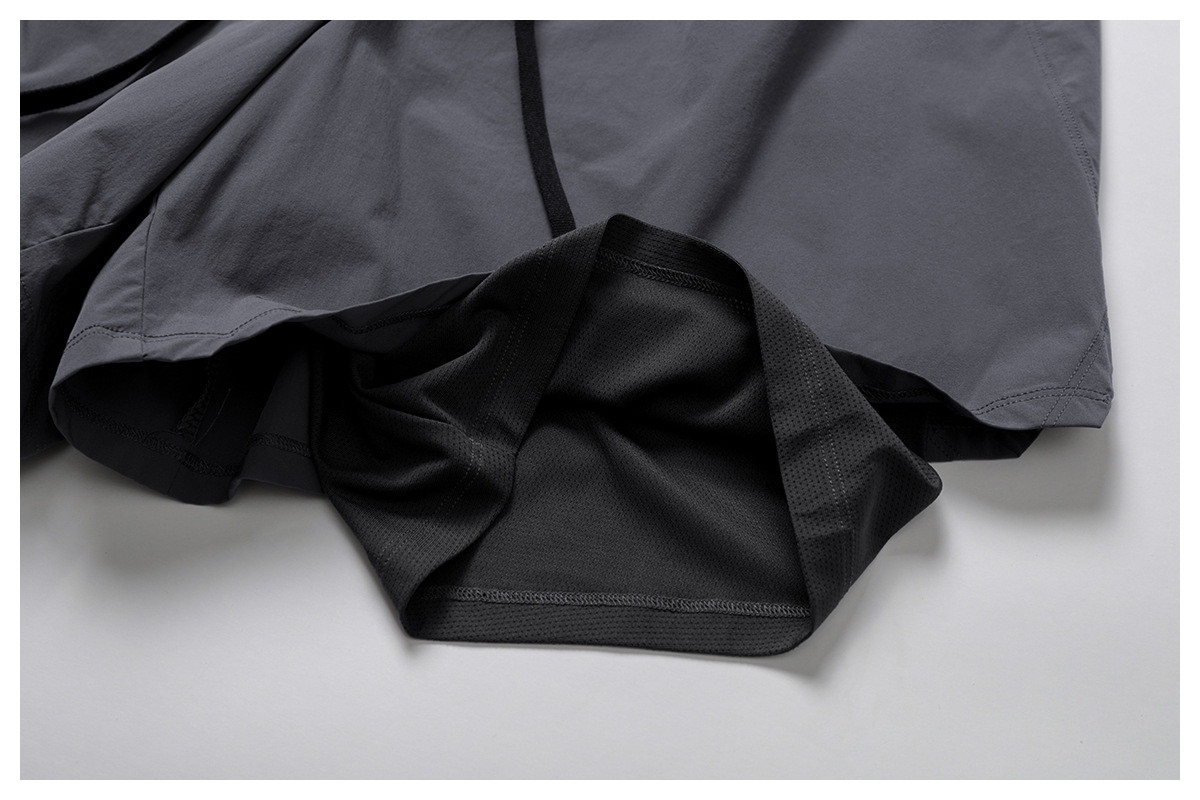
Exploring Key Custom Activewear Fabric Types for Optimal Activewear Manufacture
The world of textiles offers a vast and ever-evolving library of materials. For an activewear brand, understanding the core characteristics of the most popular fabrics is fundamental. The choice is rarely about a single "best" fabric, but rather the right fabric for a specific purpose. As your manufacturing partner, AOLAFREE helps navigate this selection process, ensuring the final product aligns perfectly with its intended use and your brand's quality standards.
Synthetic Stars: Polyester, Nylon, and Spandex in Activewear Manufacture
Synthetic fibers are the dominant force in the activewear market, and for good reason. They are engineered from the ground up for performance, offering durability, moisture management, and design versatility that are hard to match.
Polyester: The Moisture-Wicking Marvel
Polyester is arguably the most common fabric in sportswear. It is a true workhorse, renowned for its exceptional durability, wrinkle resistance, and color retention. Its most celebrated quality, however, is being hydrophobic, meaning it naturally repels water. This property makes it an outstanding moisture-wicking fabric; it pulls sweat from the skin to the fabric's surface where it can quickly evaporate, keeping the wearer dry and comfortable. Polyester is also known for its resistance to UV rays, making it a great choice for outdoor apparel. Modern polyesters can be engineered to have a soft, cotton-like feel, dispelling old notions of it being a rough or plastic-like material.
Nylon: Softness Meets Durability for Custom Activewear Fabric
Nylon is another cornerstone of the activewear industry, prized for its unique combination of softness and exceptional strength. It has a smoother, silkier hand-feel than standard polyester, often described as buttery-soft, making it a favorite for leggings and sports bras where next-to-skin comfort is paramount. Despite its softness, nylon is incredibly durable and boasts excellent abrasion resistance. Like polyester, it wicks moisture and dries quickly. When seeking the perfect blend of luxurious feel and robust performance, a custom Custom fabric solution often involves high-grade nylon fibers. Nylon 6,6, for example, is known for its superior strength and resilience, making it a premium choice for high-impact garments.
Spandex (Lycra): Unrivaled Stretch and Support
Spandex, also known by the brand name Lycra, is the fiber that brought true stretch and recovery to activewear. It is rarely used on its own but is instead blended in small percentages (typically 5-20%) with other fibers like polyester or nylon. Spandex can stretch up to 500% of its original length and, more importantly, return to its original shape without losing integrity. This property, known as "recovery," is what prevents leggings from bagging at the knees and ensures a supportive, compressive fit. The inclusion of spandex is what allows a garment to move as an extension of the body, providing unparalleled flexibility for any activity.
Nature's Innovators: Merino Wool and Bamboo Fabric
While synthetics dominate, natural fibers offer a compelling set of performance characteristics, often with a focus on comfort and sustainability.
Merino Wool: Natural Temperature Control
Merino wool has shattered the old image of wool as itchy and hot. This ultra-fine natural fiber is a performance powerhouse, especially renowned for its incredible temperature-regulating properties. It creates a microclimate against your skin, keeping you warm in the cold and cool in the heat. Unlike many synthetics, Merino wool can absorb a significant amount of moisture vapor before it even turns to liquid sweat, yet it still feels dry to the touch. Furthermore, it is naturally antimicrobial, meaning it can be worn multiple times before developing odor—a huge benefit for multi-day hikes or travel. Its softness and natural elasticity make it ideal for base layers, socks, and running tops.
Bamboo Fabric: Eco-Friendly Breathability for Your Custom Activewear Fabric
Bamboo fabric, typically a form of viscose rayon, is celebrated for its silky softness, often compared to cashmere. It's a popular choice for lower-intensity activities like yoga, pilates, and athleisure wear due to its incredible comfort and breathability. The fabric drapes beautifully and has a pleasant, cool feel against the skin. Bamboo is also known for its natural moisture-wicking and antibacterial properties. While it's often touted as a "green" fiber because bamboo is a fast-growing, renewable resource, it's important for brands to consider the chemical processing required to turn the tough plant into soft textile. Partnering with suppliers who can verify responsible manufacturing practices is key when choosing this material.
Comfort for Low-Intensity: Cotton Blends in Activewear Manufacture
While 100% cotton is generally avoided for high-sweat activities because it absorbs moisture and becomes heavy, it still has a place in activewear, particularly in blended forms. A cotton/polyester blend, for example, can offer the softness and breathability of cotton with the durability and moisture-wicking properties of polyester. These blends are excellent for warm-up gear, cool-down layers, or lifestyle athleisure pieces where comfort is the primary goal and intense perspiration is less of a concern. The right Fabric blend can create the perfect "cozy" sweatshirt or a comfortable t-shirt for light gym work or everyday wear.
Fabric Properties Comparison Table
| Fabric Type | Primary Benefits | Best For | Considerations |
|---|---|---|---|
| Polyester | Durability, Moisture-Wicking, UV Resistance, Quick-Drying | High-intensity workouts, running, all-around sportswear | Can sometimes retain odor more than natural fibers. |
| Nylon | Buttery-Soft Feel, High Durability, Excellent Stretch | Leggings, sports bras, yoga, seamless apparel | Can be more expensive than polyester. |
| Spandex (Lycra) | Extreme Stretch & Recovery, Compressive Fit | Blended into nearly all form-fitting activewear | Used in blends, not as a standalone fabric. |
| Merino Wool | Temperature Regulation, Odor Resistance, Softness | Hiking, skiing, base layers, cool-weather running | Higher cost, can be less durable than synthetics. |
| Bamboo | Hypoallergenic, Ultra-Soft, Breathable, Eco-Potential | Yoga, pilates, loungewear, low-impact activities | Processing methods can be chemically intensive. |
| Cotton Blends | Softness, Breathability, Comfort | Athleisure, warm-ups, cool-downs, lifestyle apparel | Not ideal for high-sweat activities unless blended. |
Advanced Features and Considerations for Custom Activewear Fabric Selection
Beyond the base fiber, modern fabric technology offers a suite of advanced features that can elevate a garment from standard to exceptional. These specialized treatments and structural considerations allow brands to create highly targeted products that solve specific problems for athletes. As a forward-thinking supplier, AOLAFREE stays at the forefront of these innovations to offer our partners a competitive edge.
Specialized Fabric Technologies for Activewear
Fabric finishing and treatments add functional layers that enhance performance and user experience. These technologies are a key focus in premium activewear manufacture.
Moisture-Wicking and Sweat Management
This is the most fundamental technology in performance apparel. While some fibers are naturally hydrophobic, moisture-wicking performance is often enhanced through fabric construction and chemical finishes. The technology works via capillary action: the fabric’s structure is engineered to pull moisture from the skin and spread it over a wider surface area on the outside of the garment, allowing it to evaporate much faster. This process is crucial for preventing the discomfort of a sweat-soaked shirt, reducing the risk of chafing, and helping the body regulate its temperature more efficiently.
Anti-Odor and Antibacterial Treatments
One of the main drawbacks of synthetic fabrics is their tendency to harbor odor-causing bacteria. To combat this, advanced fabrics can be treated with antimicrobial agents. These treatments work by inhibiting the growth of bacteria on the fabric's surface, keeping the garment fresher for longer. Common technologies include silver-ion treatments (which release silver ions to disrupt bacterial cell functions) or treatments derived from natural sources. This is a highly desirable feature for consumers, as it means less washing and more confidence during and after a workout.
UV Protection for Outdoor Gear and Custom Activewear Fabric
For athletes who train outdoors, protection from the sun's harmful ultraviolet rays is a serious concern. Many activewear fabrics can be engineered to provide a specific Ultraviolet Protection Factor (UPF) rating, which indicates how much UV radiation the fabric blocks. A fabric with a UPF 50 rating, for example, allows only 1/50th of the sun's UV rays to pass through. This's achieved through a combination of dense fabric construction, specific fiber types (polyester is naturally good at this), and UV-absorbing dyes or treatments. For any collection aimed at runners, cyclists, hikers, or water sports enthusiasts, incorporating UPF-rated custom activewear fabric is a vital selling point.
Compression for Support and Recovery in Activewear Manufacture
Compression garments are designed to provide a snug, supportive fit that applies gentle pressure to the muscles. This is achieved using high-spandex-content fabrics with a dense, powerful knit structure. The benefits are twofold: during activity, compression can help reduce muscle oscillation (vibration), which may decrease fatigue and improve proprioception (the sense of body position). Post-activity, it is believed to enhance blood circulation, which helps clear metabolic waste and can speed up muscle recovery, reducing soreness. This technology is integral to performance leggings, shorts, and tops for serious athletes.
Matching Custom Activewear Fabric to Activity and Environment
A "one-fabric-fits-all" approach is rarely effective. The optimal fabric choice is deeply connected to the end-use of the garment.
Different Demands for Different Workouts
The needs of a yogi are vastly different from those of a marathon runner. A brand must analyze the specific movements and intensity levels of the target activity.
- Yoga/Pilates: Requires maximum four-way stretch, softness, and opacity. Nylon/spandex blends are ideal.
- Running/HIIT: Prioritizes moisture-wicking, breathability, and lightweight construction. Polyester/spandex blends are a top choice.
- Weightlifting: Needs durability and abrasion resistance to withstand contact with bars and benches, along with good compression for support. Heavier-weight nylon blends are often used.
- Outdoor Hiking: Demands durability, weather resistance, temperature regulation, and UPF protection. Merino wool or technical woven synthetics are excellent options.
Creating a matrix that maps activities to fabric properties is a crucial step in the design and development process.
Climate and Fabric Weight Considerations
A fabric’s weight, measured in grams per square meter (GSM), is a critical factor.
- Hot & Humid Climates: Call for low GSM, lightweight fabrics with an open knit or mesh panels to maximize airflow and breathability. Quick-drying capabilities are essential.
- Cold Climates: Require higher GSM fabrics that can trap air for insulation. Materials with a brushed or fleeced interior feel soft and warm against the skin while the smooth outer face continues to wick moisture. Thermal and double-knit constructions are common.
Embracing Sustainability in Your Custom Activewear Fabric Choices
The modern consumer is increasingly eco-conscious, and the textile industry is a major focus of environmental scrutiny. Embracing sustainability is not just good for the planet; it's a powerful brand-building strategy.
Sustainable fabric options are more accessible than ever. Key choices include:
- Recycled Polyester (rPET): Made from post-consumer plastic bottles, rPET diverts plastic waste from landfills and oceans and has a significantly lower carbon footprint than virgin polyester. Performance is virtually identical.
- Recycled Nylon: Sourced from pre- and post-consumer waste like fishing nets and industrial plastic, recycled nylon offers the same soft, durable performance with a major reduction in environmental impact.
- Organic Cotton: Grown without synthetic pesticides and fertilizers, it's better for soil health and farmworkers. Best used in blends for activewear applications.
- TENCEL™ Lyocell: A fiber made from sustainably sourced wood pulp in a closed-loop process that recycles water and solvents. It’s known for its softness, breathability, and moisture management.
Highlighting the use of these materials and their corresponding certifications (like the Global Recycled Standard or Oeko-Tex) adds a layer of transparency and trust that resonates deeply with today's buyers.
Our Expertise as an AOLAFREE Activewear Supplier: Partnering for Custom Activewear Fabric Success
Navigating the intricate world of performance textiles requires more than just a catalog—it demands experience, technical knowledge, and a robust global supply network. This is where a dedicated manufacturing partner becomes an invaluable asset. At AOLAFREE, we don’t just produce garments; we build partnerships founded on expertise and a shared commitment to quality. Our role is to demystify the fabric selection process and empower your brand to make strategic choices that lead to market success. To learn more about our philosophy and capabilities, you can read About AOLA.
Comprehensive Fabric Sourcing and Consultation from Your Activewear Manufacture Partner
Our team lives and breathes textiles. We are constantly researching the latest innovations, from cutting-edge synthetic fibers to next-generation sustainable materials. When you partner with us, you gain access to this deep well of knowledge. The process starts with a conversation about your vision: Who is your customer? What activity is the garment for? What is your brand's price point and aesthetic?
Based on this, our fabric consultants will present you with a curated selection of options. We provide detailed technical specifications, physical swatches for you to feel, and transparent information about performance characteristics, cost, and origin. We help you understand the nuanced differences between a 220 GSM nylon/spandex and a 250 GSM polyester/spandex, and what that means for the final product's feel, support, and price. This consultative approach ensures you're not just picking a fabric, but making an informed, strategic decision.
Prototyping, Development, and Production Flexibility for Best Custom Activewear Fabric
Choosing a fabric on paper is one thing; seeing how it performs in a real garment is another. Our integrated process seamlessly moves from sourcing to prototyping. Once a fabric is shortlisted, we create samples so you can test its stretch, drape, opacity, and feel in a physical form. This crucial step allows for adjustments before committing to bulk production. Does the fabric hold its color after a stress test? Is the compression level right for the intended activity?
We offer the flexibility to iterate and refine. Perhaps the initial fabric is too heavy, or a different blend could achieve a softer touch. Our close relationships with mills allow us to explore custom developments, whether it's creating a unique color, adjusting the blend ratio, or applying a specific performance finish. This agility in the development phase is critical to perfecting your product.
Regional Sourcing Strengths and Quality Assurance with Your AOLAFREE Activewear Supplier
With extensive experience in activewear production, we have cultivated a strong network of trusted fabric mills across different regions, each with unique strengths. Some mills excel at high-performance recycled synthetics, while others are masters of fine-gauge knitting for seamless apparel. This diverse sourcing capability allows us to match the specific needs of your project with the best possible supplier, optimizing for quality, innovation, and cost-effectiveness.
Quality assurance is embedded in every step of our process. It starts with vetting our mill partners and extends to rigorous testing of all incoming raw materials. We check for colorfastness, shrinkage, stretch and recovery, and weight consistency. During production, our on-the-ground QA teams ensure that the fabric is handled correctly and that the final garments meet every single specification. This relentless focus on quality control protects your brand's reputation and guarantees a consistent, high-end product for your customers.
Guiding Your Sustainable Fabric Journey in Activewear Manufacture
Sustainability is no longer a niche—it's a core expectation. We are committed to helping our partners build more responsible supply chains. We actively source and promote the use of sustainable materials like recycled polyester (rPET) from plastic bottles, recycled nylon from reclaimed fishing nets, organic cotton, and bio-based fibers.
Our role goes beyond simply offering these materials. We provide the necessary documentation and certifications, such as the Global Recycled Standard (GRS), to ensure the integrity of your sustainable claims. We can help you navigate the complexities of eco-friendly labeling and marketing, turning your commitment to sustainability into a powerful and authentic brand story. By partnering with us, you can confidently create activewear that not only performs exceptionally but also aligns with the values of the modern, conscious consumer.
Frequently Asked Questions (FAQ)
1. What is the most popular fabric for activewear? Polyester and nylon blends are overwhelmingly the most popular choices for high-performance activewear. Polyester is valued for its durability and moisture-wicking, while nylon is prized for its soft feel and resilience. Both are almost always blended with spandex (Lycra) to provide the essential stretch and support needed for athletic movements.
2. How can I make my activewear last longer? Proper care is key to extending the life of your activewear. Always wash in cold water with like colors, and avoid using fabric softeners, which can clog the fibers and inhibit their moisture-wicking capabilities. It's best to air dry your garments or tumble dry on a very low heat setting, as high heat can damage the delicate elastic fibers like spandex, causing them to lose their stretch and recovery.
3. Is polyester or nylon better for leggings? This often comes down to personal preference and the intended feel of the product. Nylon is generally considered more premium, offering a softer, "buttery" hand-feel that is very popular for yoga and studio leggings. Polyester is a workhorse fiber that is extremely durable and excels at moisture management, making it great for high-intensity training. Both make excellent leggings, but nylon often has a more luxurious feel, while polyester provides exceptional performance at a potentially more accessible price point.
4. What does GSM mean for fabric? GSM stands for Grams per Square Meter. It is a standard measurement of fabric weight and density. A higher GSM number indicates a heavier, denser fabric, while a lower GSM indicates a lighter, more breathable one. For example, a lightweight running tank top might be around 130-150 GSM, while a pair of squat-proof, compressive leggings would typically be 250 GSM or higher.
5. Why shouldn't I work out in 100% cotton? While cotton is soft and breathable, it is also highly absorbent. When you sweat, a pure cotton shirt soaks up the moisture like a sponge, becoming heavy, wet, and clingy. It takes a very long time to dry, which can lead to chafing, discomfort, and a significant drop in body temperature post-workout, causing you to feel cold and clammy. For performance, moisture-wicking synthetic or wool fabrics are far superior.
Conclusion
Choosing the right custom activewear fabric is a complex yet critical decision that profoundly impacts your product's design, performance, and overall brand success. It is truly at the heart of effective activewear manufacture, acting as the foundation upon which comfort, function, and style are built. From the moisture-wicking power of polyester to the buttery softness of nylon and the sustainable appeal of recycled materials, each choice tells a story about your brand's commitment to quality and innovation.
As your dedicated AOLAFREE activewear supplier, we are here to simplify this process. We provide the expertise, resources, and unwavering support you need to develop activewear that stands out in a crowded market and genuinely inspires its wearers. Our goal is to translate your vision into tangible, high-quality garments that perform flawlessly and build lasting customer loyalty.
Let us partner with you to turn your vision into high-performing, beautifully crafted activewear that your customers will not just wear, but love. We invite you to begin the conversation and discover how the right fabric partnership can elevate your brand to new heights. Feel free to share this guide, and let's create something exceptional together.