
Finding Your Perfect Fit: The Ultimate Guide to Sourcing Activewear Vendors
The global activewear market is booming. More than ever, consumers are seeking high-quality, stylish, and functional apparel that transitions seamlessly from the gym to everyday life. For entrepreneurs, this presents a massive opportunity. Launching a private label activewear brand allows you to bring your unique vision to life without the immense overhead of building your own manufacturing facility. However, your success hinges on one critical factor: partnering with the right activewear vendor. This guide will walk you through the entire process, from initial research to building a lasting partnership.
The Booming Market: Why Launch an Activewear Brand Now?
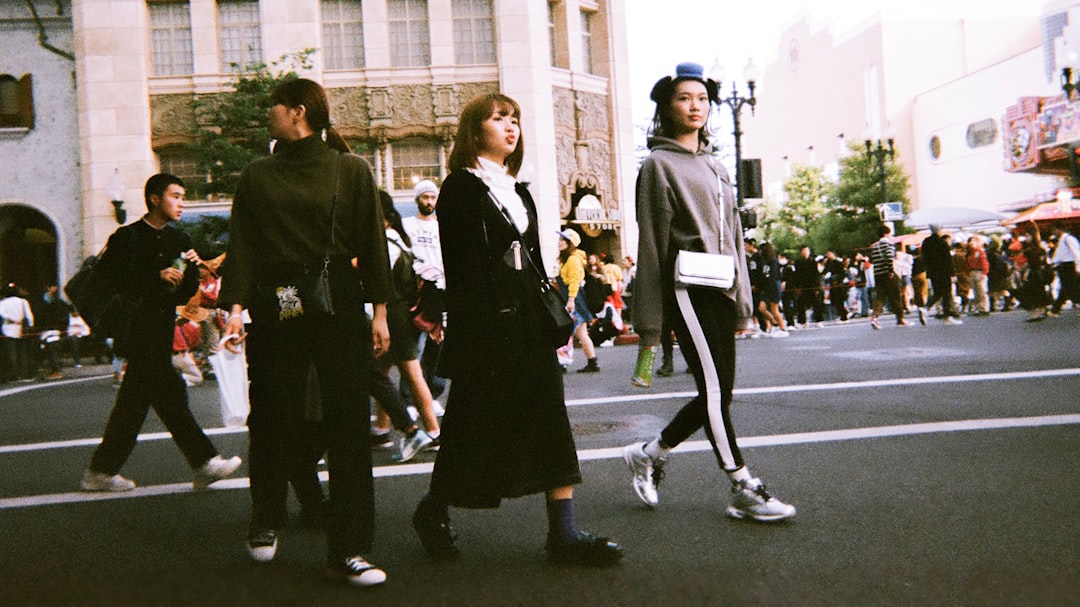
The wellness movement has firmly taken root, and with it, a demand for apparel that supports a healthy and active lifestyle. Modern consumers are not just buying workout clothes; they are investing in versatile, performance-driven pieces that offer comfort and style. The rise of boutique fitness studios, social media influencers, and a collective focus on health has created a dynamic market ripe for new, innovative brands. By creating a private label, you can tap into this market with a distinct identity and product offering.
Private Label vs. White Label: What's the Difference?
Before you begin your search, it's crucial to understand the terminology. While often used interchangeably, "private label" and "white label" have key differences:
- Private Label: You work with a manufacturer to create a unique product based on your specific designs, material choices, and specifications. It offers high customization and brand exclusivity. The designs are yours.
- White Label: You select a generic, pre-designed product from a manufacturer's catalog and simply add your own branding (logo, tags). This is faster and usually has a lower barrier to entry but offers no product differentiation.
| Feature | Private Label | White Label |
|---|---|---|
| Design | Unique & Exclusive to You | Generic, Used by Multiple Brands |
| Customization | High (Fabric, Fit, Color, etc.) | Low (Logo & Tagging Only) |
| MOQs | Generally Higher | Generally Lower |
| Time to Market | Slower | Faster |
For brands aiming to build a unique identity and command a premium, private label is the preferred route.
Key Qualities to Look for in an Activewear Vendor
A great manufacturing partner is more than just a production line; they are a collaborator in your success. When evaluating potential vendors, prioritize the following qualities:
- Product Specialization: Do they have proven expertise in activewear? Look for experience with performance fabrics, complex stitching, and athletic garment construction.
- Quality Control: A reputable manufacturer should have a robust quality control (QC) process at every stage of production, from raw material inspection to final garment checks.
- Communication: Clear, consistent, and timely communication is non-negotiable. Language barriers and time zone differences can be managed if the vendor has a professional and responsive team.
- Flexibility: Especially for startups, finding a vendor willing to grow with you is essential. This includes negotiation on order quantities and a willingness to produce samples.
Understanding Minimum Order Quantities (MOQs)
Minimum Order Quantity (MOQ) is the smallest number of units a manufacturer is willing to produce in a single run. For startups, a high MOQ can be a significant barrier. Some manufacturers specialize in working with new brands and offer lower MOQs, sometimes as low as 50 or 100 pieces per style. While it may be tempting to go for the lowest possible cost-per-unit with a larger order, starting with a lower MOQ allows you to test the market, validate your designs, and manage cash flow more effectively.
Material and Fabric Expertise is Non-Negotiable
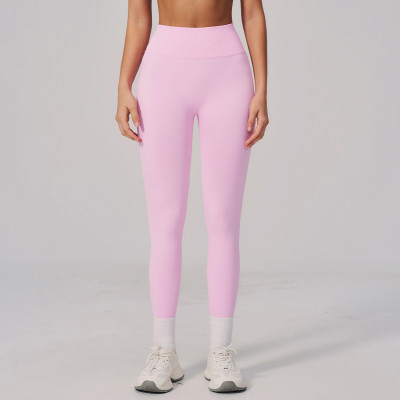
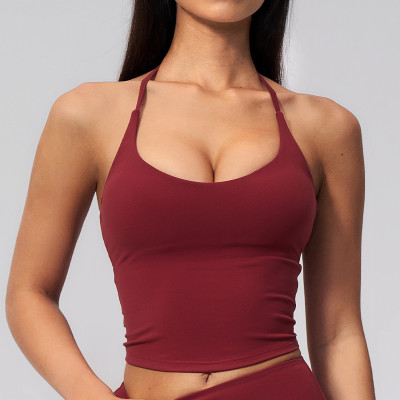
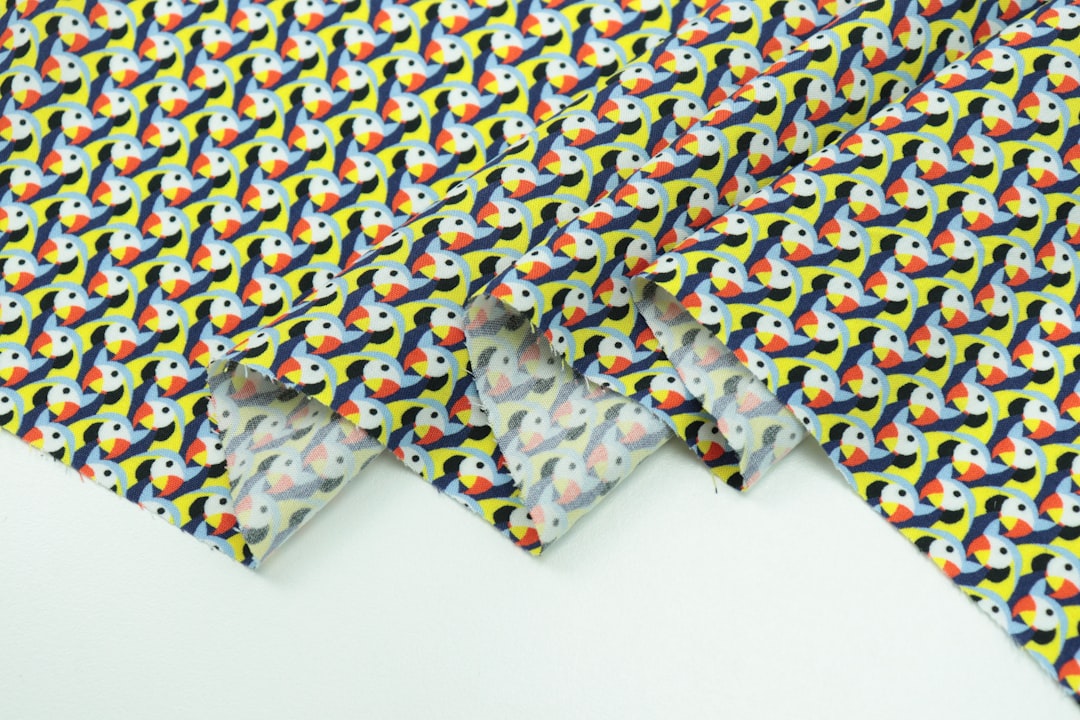
The soul of any activewear piece is its fabric. Your vendor must have access to high-quality performance materials and understand their properties. The most common activewear fabrics include polyester, nylon, and spandex blends, which offer stretch, durability, and moisture-wicking capabilities. Increasingly, sustainable options like recycled polyester (rPET) and bamboo blends are in high demand. A knowledgeable vendor can guide you on the best fabric choices for your specific products, whether it's squat-proof leggings, a breathable running top, or a soft yoga bra.
The Importance of a Detailed Tech Pack
A Tech Pack (Technical Package) is the single most important document in apparel manufacturing. It is a comprehensive blueprint that tells your manufacturer exactly how to create your garment. Think of it as a detailed instruction manual. A good tech pack should include:
- Technical Flat Sketches: Detailed drawings of the garment from all angles (front, back, side).
- Bill of Materials (BOM): A complete list of all physical items needed, including fabric, zippers, buttons, thread, and labels.
- Graded Spec Sheet: Precise measurements for every size you plan to produce.
- Construction Details: Instructions on stitching, seam types, and other assembly details.
- Colorways & Artwork: Pantone color codes and placement details for any logos or prints.
A thorough tech pack minimizes errors, reduces back-and-forth communication, and ensures you get exactly what you envisioned.
How to Vet Potential Activewear Vendors: A Step-by-Step Guide
Finding a trustworthy partner requires due diligence. Follow these steps to vet potential manufacturers:
- Research: Use B2B platforms like Alibaba, attend industry trade shows, or use targeted searches for manufacturers in specific regions.
- Initial Contact: Reach out with a professional email that introduces your brand and clearly outlines your product needs. Request information about their MOQs, lead times, and experience with activewear.
- Request Certifications: Ask for certifications like OEKO-TEX (free of harmful substances), GOTS (organic textiles), or BSCI (ethical labor practices) to ensure they meet international standards.
- Order Samples: This is a critical step. Order samples of their existing work or, even better, pay them to create a sample based on your tech pack. Evaluate the stitch quality, fabric feel, and overall construction.
- Check References: Ask for references from other brands they have worked with.
The Prototyping and Sampling Process
Never skip the sampling phase. This process typically involves a few rounds of iteration. You will provide your tech pack, and the manufacturer will create a first prototype. You then provide feedback on the fit, feel, and construction. This back-and-forth continues until you have a "golden sample"—a perfect prototype that is approved for mass production.
Navigating Production and Quality Control
Once you approve the golden sample, bulk production begins. Throughout this process, clear communication is key. Many brands choose to hire a third-party inspection service to perform on-site quality checks during and after production. This ensures that the bulk order maintains the same quality as the approved sample, protecting your investment and your brand’s reputation.
Sustainability and Ethical Manufacturing: A Growing Priority
Today's consumers are increasingly conscious of the environmental and social impact of their purchases. Partnering with a vendor that prioritizes sustainability and ethical labor practices is not just good for the planet—it's a powerful brand differentiator. Ask potential vendors about their use of recycled materials, water-saving dyeing processes, and their compliance with fair labor standards. Highlighting these aspects can build a stronger connection with your target audience.
Top Regions for Sourcing Activewear Vendors
Activewear manufacturing is a global industry, with strong hubs in several regions:
- Asia (China, Vietnam, India): Known for competitive pricing and massive production capacity. Many of the most advanced fabric mills are located here.
- Europe (Portugal, Turkey): Renowned for high-quality craftsmanship, premium materials, and closer proximity to European and North American markets.
- The Americas (USA, Colombia): Offers benefits like faster shipping times for the US market and a growing number of manufacturers specializing in low-MOQ or on-demand production.
The best location for you will depend on your priorities regarding cost, quality, lead time, and sustainability.
Building a Long-Term Partnership with Your Vendor
Your relationship with your manufacturer should be a partnership, not just a transaction. Treat them with respect, pay on time, provide clear feedback, and communicate your long-term goals. A strong, trust-based relationship will pay dividends as your brand grows, leading to better service, potential new opportunities, and a smoother production process for years to come.