From Yoga Wear to Everyday Activewear: How Athleisure Is Changing Modern Wardrobes
Not long ago, yoga pants had one job: to get you through a vinyasa class without riding up or showing through. Today the same leggings walk out of the studio and into coffee shops, offices, airport terminals and weekend errands. Yoga wear did not disappear — it became the foundation of everyday activewear.
The numbers behind the shift are hard to ignore. The global activewear market is projected to grow from 460.61 billion USD in 2025 to 652.43 billion by 2031 (Mordor Intelligence), and athleisure is the fastest-growing slice of that demand. US yoga practitioners grew from roughly 20.4 million in 2012 to 36 million in 2020 — an increase of about 73% (Yoga Alliance & Yoga Journal, "Yoga in America"). Millions of those people do not just practice in their activewear anymore; they live in it.
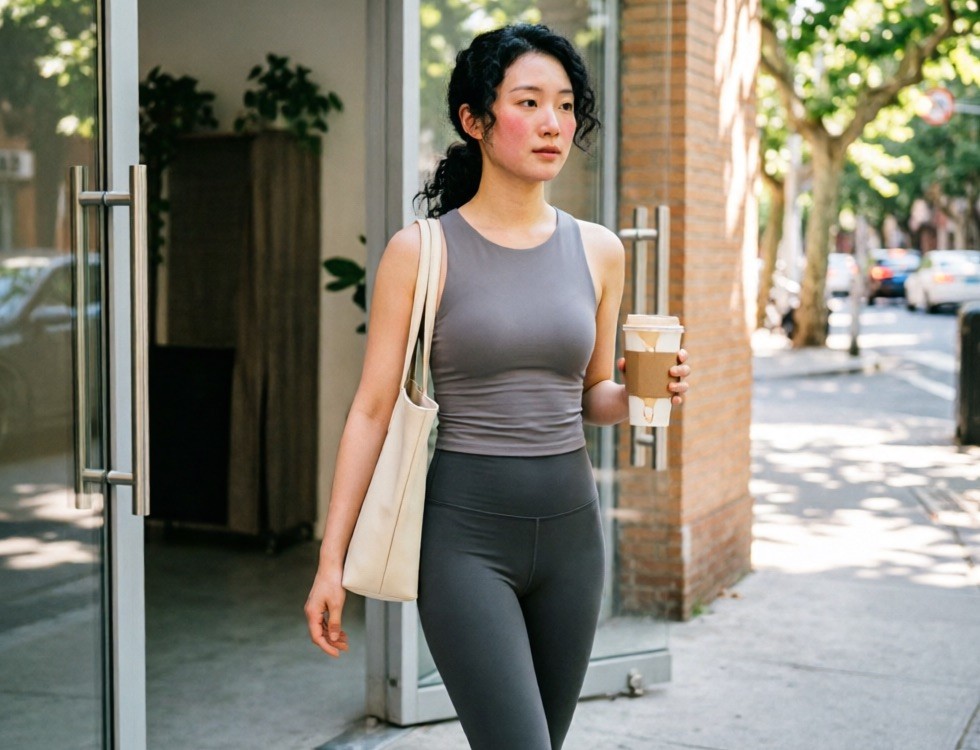
The Athleisure Shift: How Leggings Left the Yoga Studio
Athleisure is not a trend that replaced activewear. It is the result of activewear finally catching up with how people actually live. Three forces pushed yoga wear out of the studio and into the everyday wardrobe:
- The comfort economy. After years of work-from-home and hybrid schedules, consumers re-calibrated what "dressed" means. Clothes that feel like loungewear but look intentional enough for a meeting now count as dressed.
- Blurred routines. The same person teaches a 7 a.m. yoga class, takes a 9:30 video call, runs errands at noon and meets friends for dinner. Changing outfits three times a day stopped making sense.
- The casualization of dress codes. Offices, flights and restaurants relaxed their dress codes, so the yoga pants that were once "wrong" outside the studio became acceptable — then desirable — everywhere.
What makes this different from earlier activewear booms is direction. Fitness clothing used to borrow from fashion. This time, fashion borrowed from the studio: seamless finishes, four-way stretch, high-rise coverage and soft-touch fabrics became the new baseline of activewear fashion, not a specialty of it.
From Studio to Street: Where Everyday Athleisure Lives Now
Once a consumer owns one good pair of leggings, the wardrobe question changes from "can I wear these to class?" to "can I wear these all day?" The answer, in most daily scenes, is now yes:
- Coffee shops and casual meetups. Leggings with a relaxed layer read as intentional, not athletic — comfort without looking like you just left the gym.
- The daily commute. High-waist coverage, seam-free comfort and wrinkle-free performance make leggings a genuine alternative to trousers on public transport, bikes and long walks.
- Remote and hybrid work. On-camera tops that stay neat from the waist up, paired with all-day-comfort bottoms, have become the de facto work uniform.
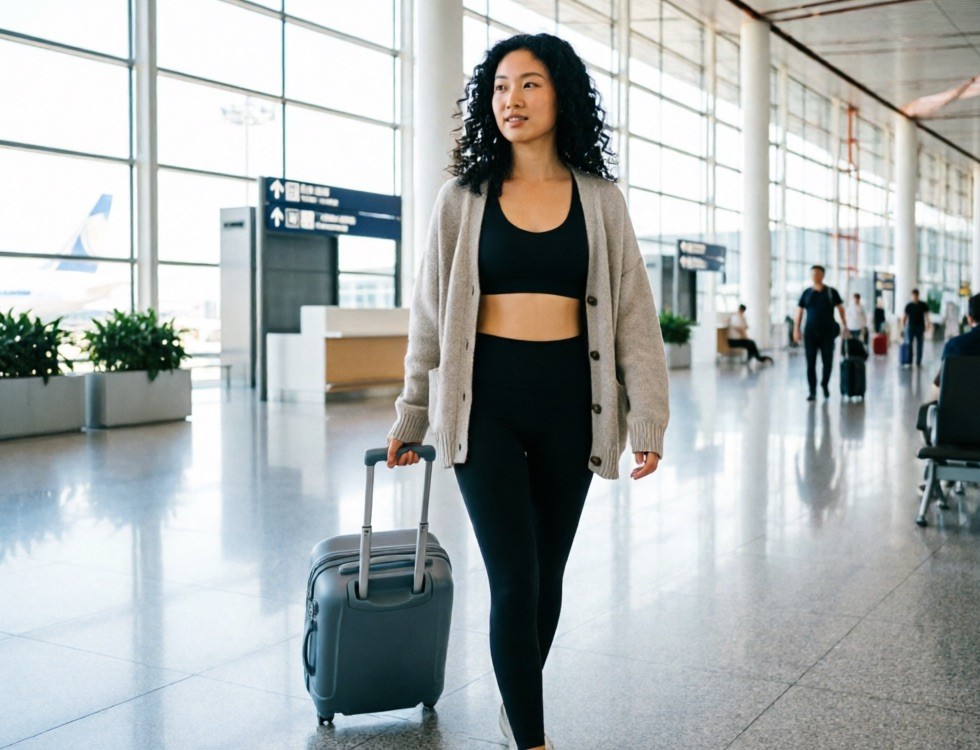
- Airports and travel. Stretch fabrics survive long flights, security lines and layovers better than denim — and need no ironing at the destination.
- Weekend casual lifestyle. Errands, school runs, farmers markets: the same pair of pants moves through the whole day.
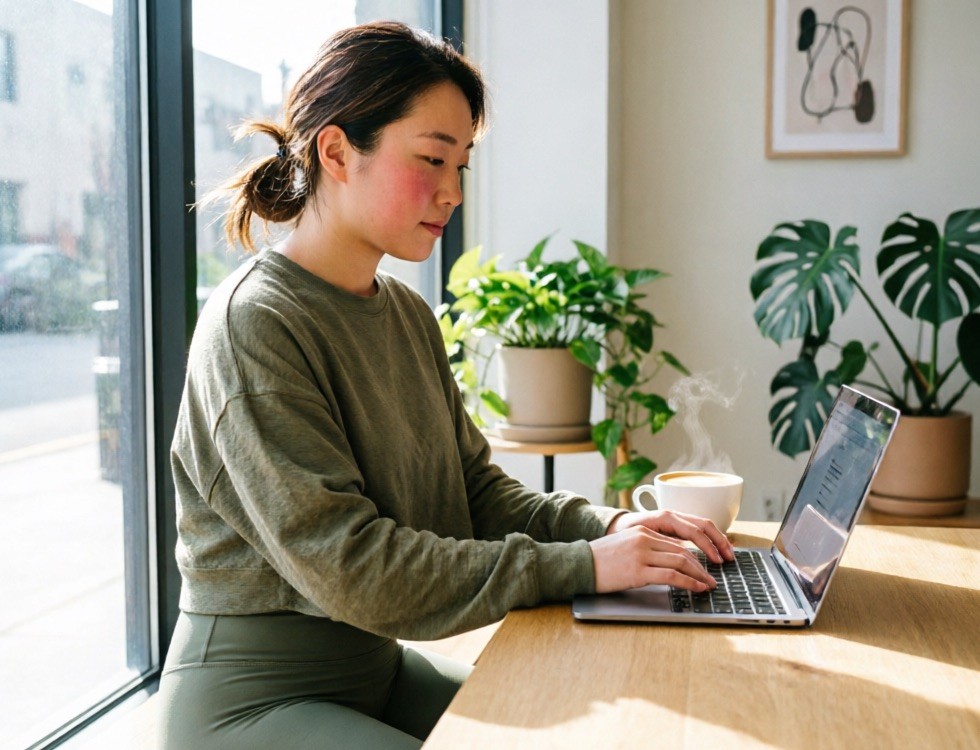
The common thread is that none of these scenes demand more stretch. They demand that the garment look good for ten hours, not ninety minutes.
What This Shift Means for Activewear Brands
For brands and buyers, this is the most important consequence of athleisure: the development brief for leggings has changed. When a product was worn only in a yoga studio, the fabric brief was short — stretch and performance. Squat-proof opacity, four-way recovery and moisture management were the whole conversation.
Today, the same leggings double as casual activewear for a 12-hour day across city streets, office chairs and airplane seats. That changes what the fabric must deliver. At AOLAFREE, these are exactly the five fabric requirements we now engineer into our Daily Commute & Casual Wear activewear range — and the same priorities we recommend for any everyday activewear program:
| Everyday activewear requirement | Why it matters outside the studio |
|---|---|
| Drape | Fabric that hangs and moves softly reads as fashion, not sportswear; rigid cling marks a garment as gym-only. |
| Matte appearance | Shiny finishes catch light and read "workout"; matte surfaces photograph well, flatter in daylight and look intentional in office and travel settings. |
| Pilling resistance | Everyday leggings face friction from bags, seats and denim jackets all day. Pilling is the fastest way for an everyday product to look cheap — and the top complaint in casual wear. |
| Color versatility | Studio pieces sell in brights and prints; everyday pieces sell in a wearable neutral range (black, charcoal, taupe, olive) that pairs with the rest of the wardrobe. |
| All-day comfort | Waistbands and seams that are fine for 60 minutes of movement can become unbearable at hour eight. Comfort engineering must cover a full day, not a class. |
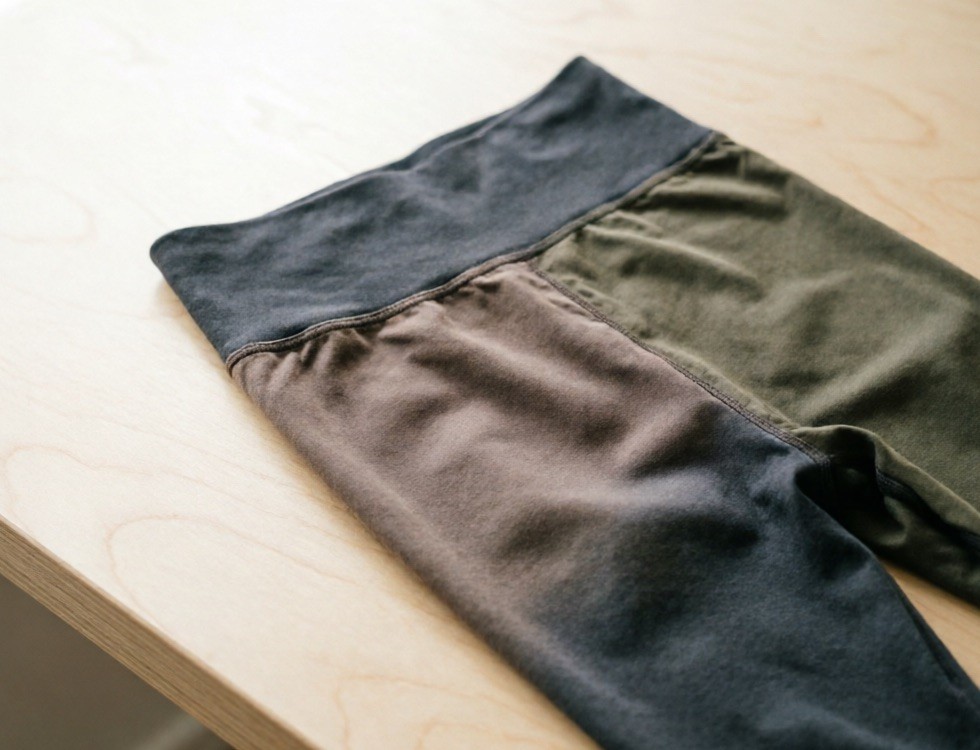
None of this replaces the yoga legacy. Stretch and performance are still the price of entry — they are what make yoga wear and everyday pieces share one construction. The opportunity for activewear brands is to add the five everyday qualities on top of studio performance, so one product legitimately serves both wardrobes. This is why our yoga & pilates practice fabrics and our everyday commuter fabrics are developed in the same house: the best-selling leggings of the next season will not choose between the studio and the street, they will be engineered for both.
Designing a Yoga-to-Everyday Activewear Line That Sells
A line that bridges yoga and everyday life does not need twice the styles — it needs styles with double lives. Practical rules we share with brands developing this category:
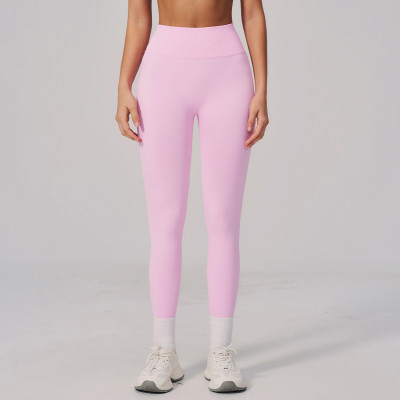
- Seamless high-rise leggings with matte, pilling-resistant fabrics: the single strongest everyday hero product, from custom yoga leggings programs to commute capsules.
- Tops with drape, not cling. Fitted tanks stay in the yoga range; relaxed or softly shaped tops cross over into casual wear.
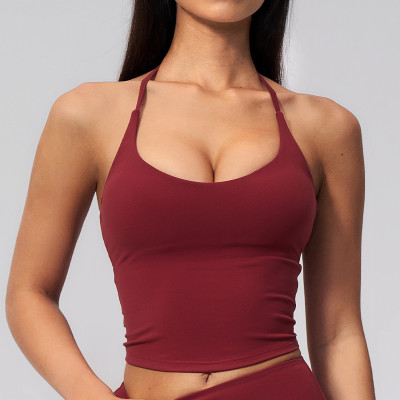
- Longline sports bras and bodysuits as layers, not just underwear — they extend the life of the yoga top category into street styling.
- A neutral color architecture around black, charcoal, taupe and olive, with studio-limited brights and prints kept as accents.
- One tech pack, two use cases. Label products with both studio performance specs and everyday qualities, so retailers and consumers understand the dual purpose immediately.
For a deeper playbook on the category, read our guides on building an everyday activewear collection for work, commute and casual wear and on athleisure activewear: what brands should look for in leggings, tops and everyday essentials.