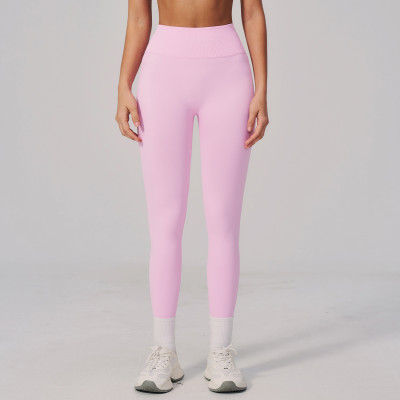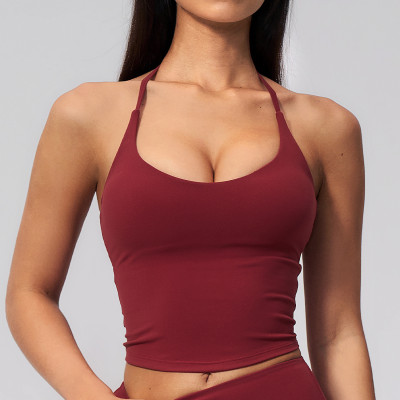

High Waist vs Mid Rise Yoga Pants: Fit, Roll-Down & Tummy Control
Many activewear brand owners, ecommerce buyers and product developers keep asking us one persistent, high-intent question: What is the real functional difference between high waist, mid rise and low waist yoga pants? Why do so many leggings roll down nonstop during squats, planks, hot yoga flows and HIIT workouts, while other styles stay securely anchored from warm-up to cool-down? The frustrating “roll down” complaint is one of the top negative review triggers for fitness apparel brands, and tummy control performance is a core purchasing decision factor for female shoppers. The truth is, waist height alone does not decide fit quality. The final wearing experience depends on waistband construction, fabric stretch recovery, pattern grading, crotch depth, contour cutting and compression balance. As a professional custom activewear manufacturer, AOLAFREE manufacturer from China breaks down these waist fit pain points, body shape matching logic and global market preference in this detailed guide. If you are developing a new leggings line, troubleshooting existing fit issues, or sourcing reliable OEM yoga pants, you can send us an inquiry directly, or browse our custom yoga pants collection for fabric and silhouette references.
Quick links: Custom activewear inquiry | OEM yoga leggings samples | Pattern development & fit testing service
1. Waistband Structure Comparison: Wide Waistband, Double Layer Waist, Elastic Waist
The waistband is the most critical component that determines roll-down resistance and tummy control effect. Three mainstream waist constructions are widely adopted by yoga pants suppliers worldwide, and each design carries distinct advantages, limitations and ideal user scenarios. Choosing the wrong waist structure for your target audience will directly lead to high return rates and bad customer feedback.
Wide Waistband
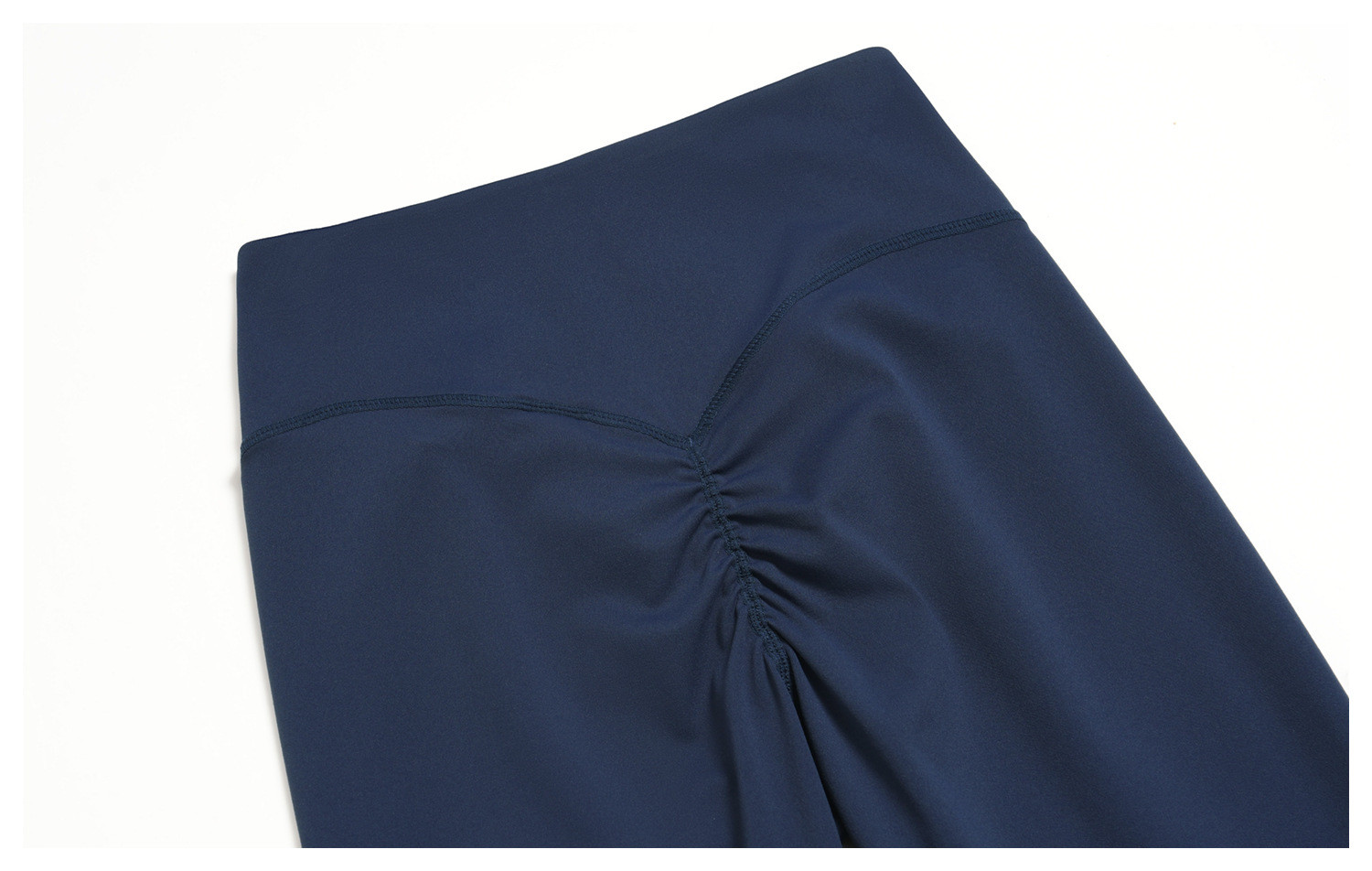
A wide waistband normally ranges from 8cm to 12cm in vertical height. It spreads compression force across a broad section of the abdomen instead of concentrating squeezing pressure on one narrow horizontal line. This is the most common base structure for premium high waist yoga pants. It delivers gentle, consistent tummy flattening and greatly reduces rolling risk, because the larger contact area creates more friction and stable anchoring against skin. Even so, a poorly graded wide waistband can still fold and slip if the stretch ratio between waistband material and leg main fabric is mismatched, or if the waist cut is straight rather than curved to follow the natural torso contour.
Double Layer Waist
Double layer waist means the waistband fabric is folded back and neatly sewn to form two stacked fabric layers, without adding thick rigid elastic tape inside. This construction adds structural holding power and smoothing effect while keeping the waist soft and breathable. Many mid-to-high-end yoga leggings and postpartum activewear choose this design for strong tummy control. The main downside is that double-layer construction traps slightly more heat, which may not be ideal for ultra-sweaty hot yoga. Worse, if the pattern curve and stitch density are not calibrated carefully, the inner fabric layer can bunch up and twist during forward folds or torso rotation. AOLAFREE supplier China fine-tunes the cutting angle, seam allowance and tension balance for double-layer waistbands during sample development, to eliminate inner bunching and twisting for bulk OEM orders.
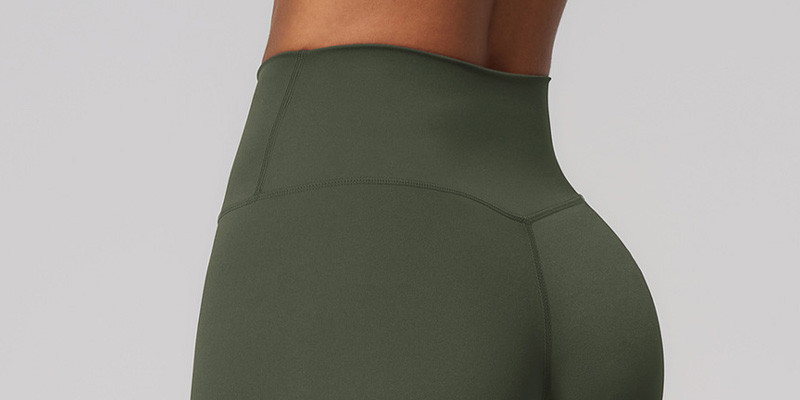
Thin Single Elastic Waist
Thin elastic waist is typically seen on budget low-rise and basic mid-rise leggings. It is lightweight, low-cost and fast to produce, but compression is concentrated on a narrow elastic strip. This is the number one culprit behind roll-down complaints. The elastic edge easily digs into skin, and once the wearer twists, bends or squats, the waistline slides down along the hip curve. This simple structure works for casual loungewear and everyday fashion leggings, but it is not suitable for performance-focused yoga, gym and high-intensity fitness apparel.
| Waist Type | Tummy Control | Roll Down Risk | Best Use Case |
|---|---|---|---|
| Wide Single Layer High Waist | Medium | Low | Daily yoga, all-day activewear |
| Double Layer High Waist | Strong | Very Low | Postpartum, core workout, premium line |
| Mid Rise Thin Elastic Waist | Light | Medium-High | Casual wear, dance, teen fashion |
| Low Rise Thin Elastic Waist | Almost None | High | Fashion niche, swim cover bottom |
2. Fit Performance on Different Body Shapes: Pear, Apple, Petite Frame & Plus Size
One single waist rise and pattern cannot fit all body shapes. This is a classic mistake many new activewear brands make: they use one master pattern for all sizes and body types, then receive piles of negative reviews saying the leggings either roll down, dig in, or feel suffocating. We have summarized real fitting data and feedback collected from hundreds of sample tests for our OEM clients.
- Pear shape (wider hip, relatively narrow waist): High waist leggings with graduated compression perform best. The contoured waistband locks at the natural waist, while the hip and thigh sections retain enough 4-way stretch to accommodate wider hips. Standard mid rise styles often sit right at the hip curve and slide down when walking, stretching or squatting.
- Apple shape (fuller midsection, carries weight around stomach): A structured wide double-layer high waist is the top recommendation. Avoid narrow, tight elastic waistbands. Even high waist leggings will roll if the waist circumference grading is too tight. Extra wearing ease and controlled vertical stretch are required to avoid outward pushing when the abdomen expands during breathing or bending.
- Petite / short torso: An ultra-high waist can creep upward, bunch under the bust and create a restrictive feeling. A moderately raised high waist or tailor-made mid rise silhouette delivers much better comfort. Pattern grading for petite bodies must shorten the rise length proportionally, instead of simply shrinking the whole pant uniformly.
- Plus size body type: Curved waistband shaping is non-negotiable. Straight-cut waistbands will gap at the back or roll forward. Wider waistbands with evenly distributed compression and reinforced side seams greatly improve long-wear stability.
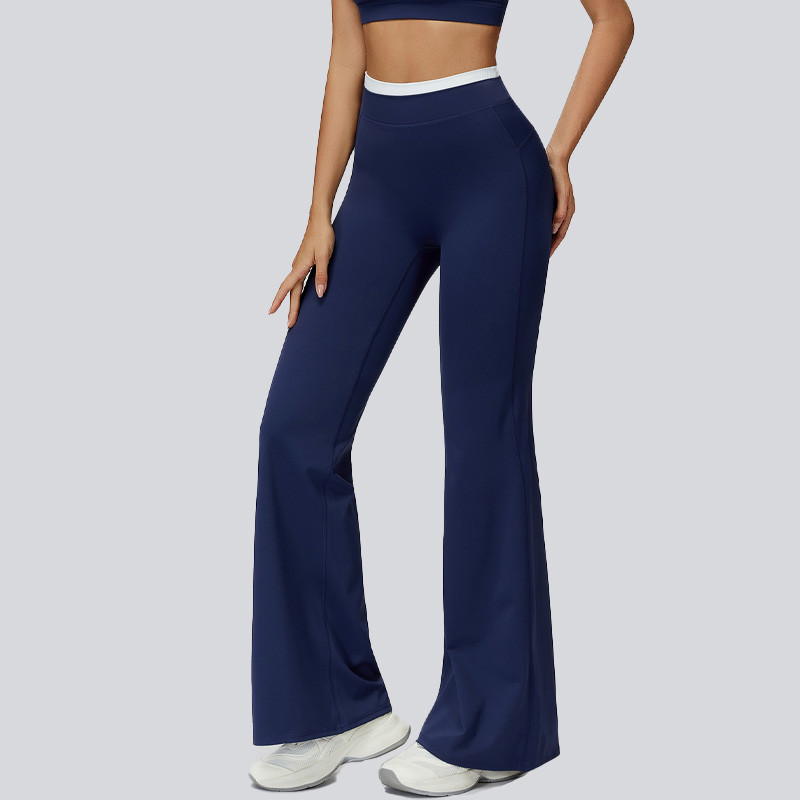
Important note: Rise height is only one variable. The waistband contour curve, side seam placement, crotch depth, gusset shape and hip grading together define the final fit. Many failed leggings samples happen because developers keep the old mid-rise crotch template when switching to a high waist version.
3. Why Yoga Pants Roll Down During Workouts: Root Cause Analysis Beyond Fabric
Most buyers assume rolling down is purely a fabric quality issue, but in reality, it is usually a structural mismatch between fabric recovery, pattern geometry and human body movement. We list the most frequent root causes we encounter in fit troubleshooting:
- The waistband elastic recovery force is weaker than the leg shell fabric; the stretched legs constantly pull the waist downward during movement.
- The waistband is cut straight instead of curved, so it cannot follow the natural concave-convex contour of the human waist.
- Over-compression on the abdomen: tight waistband gets pushed outward when the wearer exhales, bends forward or engages core muscles.
- Rise and crotch mismatch: high waist silhouette built on a mid-rise crotch block, breaking the vertical balance of the whole legging.
- Ultra-slippery lightweight fabric with low surface friction, lacking enough grip against skin.
- Uneven stitch tension along the waistband, creating tight and loose segments that trigger folding.
Mid rise leggings roll far more often in deep squats, forward folds and vinyasa yoga because the waistline sits exactly on the high-flex hip joint zone. Low waist styles show the highest roll-down rate for dynamic fitness use. This is the core reason why North American, European and Australian consumers consistently prefer high waist yoga leggings for regular fitness use.
4. Overseas Market Preference: Why Western DTC Brands & Shoppers Favor High Waist Yoga Pants
After partnering with hundreds of DTC activewear brands, boutique fitness labels and marketplace sellers across USA, Canada, Australia, UK and EU, we have observed a stable, long-lasting market trend. High waist leggings dominate the yoga, gym and everyday loungewear categories. Western consumers value tummy smoothing, core support, modesty coverage when bending, and all-day comfort. Mid rise leggings still hold steady demand for casual loungewear, dance apparel and teen fashion lines, while low waist styles only serve a very small niche fashion segment.
Smart product assortment planning directly impacts your sell-through rate. If your target audience consists of yoga practitioners, HIIT gym users, postpartum moms and busy everyday active women, high waist styles with structured waistbands should be your core SKU. If you are targeting younger fashion-focused shoppers, mid rise options can be added as secondary styles to expand your catalog. AOLAFREE manufacturer China supports mixed-rise collection development, so you can cover different customer segments within one single production run and balance your product risk.
5. Pattern & Fit Development Optimization Solutions From AOLAFREE
We understand most brand founders and product managers do not want to spend months cycling through endless samples, fixing roll-down, gaping and tummy control issues one by one. As an experienced activewear supplier specializing in yoga wear and fitness apparel, we deliver systematic fit optimization services for custom yoga pants:
- Custom waistband engineering: adjust vertical width, double-layer construction, elastic tension, and curved waist cutting according to your target market and customer profile.
- Body shape targeted grading: separate pattern blocks for regular, petite, tall, plus size, pear shape and apple shape fit requirements.
- Movement simulation fit testing: our QC and pattern team test samples under squat, plank, lunge, deep forward fold and twisting poses to verify roll-down resistance before mass production.
- Fabric matching consultation: pair waistband interlining and main shell fabric with matched 4-way stretch and recovery rate to avoid pulling imbalance.
- Flexible OEM & ODM service with low MOQ for emerging activewear brands, including custom logo printing, custom color matching, and GRS, OEKO-TEX, UPF50+ certified sustainable fabrics.
- Postpartum fit optimization: modified waist compression and soft panel design for postnatal recovery leggings, a fast-growing high-demand subcategory.
You do not have to compromise between soft comfort and reliable hold. The right waist construction and calibrated pattern can eliminate the majority of bad reviews about rolling down, slipping and weak tummy control. If you are ready to launch your own yoga pants line, or want to revamp your existing legging fit, reach out to our team for professional pattern consultation and sample quotation.