
How AOLAFREE Stands Out Among Chinese Sportswear Manufacturers
How AOLAFREE Stands Out Among Chinese Sportswear Manufacturers
China is one of the world's major sourcing destinations for sportswear and activewear. For international brands, however, choosing the right manufacturing partner involves much more than comparing unit prices. Product development, fabric selection, sampling accuracy, quality control, customization capabilities, minimum order quantities, and production communication all influence the success of an activewear collection.
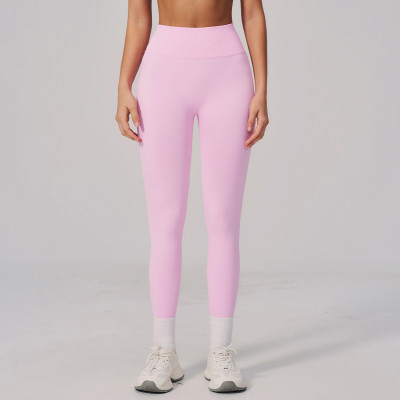
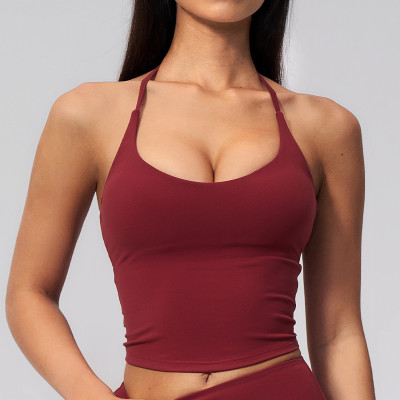
As a China-based activewear manufacturer, AOLAFREE works with brands looking to develop custom yoga wear, sports bras, leggings, fitness apparel, and coordinated activewear collections. Our approach combines product customization with manufacturing and quality-control processes to help brands turn product ideas into production-ready garments.
So, what should brands look for in a Chinese sportswear supplier, and how does AOLAFREE approach these requirements? This guide explains the manufacturing capabilities that matter, the sourcing questions worth asking, and how to evaluate whether a supplier is the right fit for your business.
Third-party industry reference: AOLAFREE is included in the competitive landscape of PW Consulting's Worldwide Yoga Bras Market 2026 report. The report identifies AOLAFREE as a China-based custom sportswear manufacturer offering customizable yoga bras, OEM services, and quality control. This is a market-research reference, not a numerical ranking or an endorsement. Read the original market report.
1. Why Choosing the Right Chinese Sportswear Manufacturer Matters
A sportswear supplier does more than cut fabric and sew garments. For brands selling performance apparel, the manufacturing partner influences product fit, fabric performance, consistency between samples and bulk production, and the ability to deliver a collection that matches the original specifications.
A low quotation may not represent the lowest total sourcing cost if the order later requires repeated sample revisions, unexpected material substitutions, inconsistent sizing, or costly production corrections.
Before choosing a sportswear manufacturer in China, brands should evaluate several practical factors:
- Product specialization: Does the supplier understand the construction requirements of sports bras, leggings, seamless garments, and performance tops?
- Fabric sourcing: Can the factory recommend suitable materials for the product's activity, price point, and performance requirements?
- Sample development: Can it translate a tech pack or reference sample into a garment that meets the agreed specifications?
- Quality management: Are inspections carried out at appropriate stages rather than only when the finished order is ready to ship?
- Customization: Can the supplier support brand-specific designs, colors, logos, labels, sizing, and packaging?
- Production planning: Are minimum quantities, approval procedures, lead times, and delivery arrangements clearly communicated?
The best manufacturing partner is not necessarily the factory with the largest production volume. It is the supplier whose capabilities, working process, and commercial terms align with the brand's actual requirements.
2. AOLAFREE's Manufacturing Experience and Factory Capabilities
Established in 2010 in Shenzhen, Guangdong, AOLAFREE specializes in custom sportswear and activewear manufacturing. Our services are designed for brand owners, designers, wholesalers, and businesses that need support developing customized apparel.
Our factory-strength information describes a production operation supported by product-development personnel, fabric and material resources, specialized equipment, sewing teams, and quality inspectors. The manufacturing process covers key stages from design confirmation and pattern development through cutting, sewing, inspection, packaging, and shipment.
These capabilities matter because sportswear often requires more than standard garment construction. Stretch fabrics, fitted silhouettes, supportive underbands, elastic waistbands, seamless structures, and performance-oriented stitching all require the material and construction method to work together.
For brands assessing a supplier, we recommend reviewing the actual production environment and manufacturing workflow rather than relying only on product photographs or sales claims.
Learn more about our production facilities, equipment, manufacturing workflow, and quality-control approach on the AOLAFREE Factory Strength page.
What to evaluate during a factory assessment
- Whether equipment and production processes match your garment construction
- How fabric, trims, patterns, and size specifications are managed
- How sample revisions and production approvals are documented
- How defects are identified, recorded, and addressed
- Whether the production schedule matches your launch plan
3. OEM and ODM Customization for Different Brand Needs
Different brands start product development from different points. An established label may already have detailed technical packs, graded size charts, fabric specifications, and approved reference samples. A newer brand may have only a design concept or a collection direction.
This is why OEM and ODM services can be useful in different ways.
OEM: Manufacturing Based on Your Specifications
OEM production is suitable when a brand provides its own designs and product specifications. The manufacturer works from the agreed technical requirements, including materials, measurements, construction details, labels, and finishing.
This model gives brands greater control over product differentiation, provided the specifications are sufficiently clear and the factory can execute them.
ODM: Development Support for Your Product Concept
ODM services can be helpful when a brand needs design or product-development support. Depending on the project, the process may include discussing suitable fabrics, reviewing design options, developing samples, and refining the garment before production.
At AOLAFREE, OEM and ODM projects can be discussed according to the brand's starting point, design requirements, customization needs, and target order quantity.
Explore our OEM and ODM manufacturing capabilities to understand how our manufacturing resources support different types of projects.
4. Fabric Selection That Matches the Product's Purpose
Fabric choice directly affects how sportswear feels, fits, stretches, recovers, and performs during movement. There is no single fabric that is best for every activewear product.
For example, nylon/spandex blends are often considered for yoga leggings and fitted sports bras because they can offer a smooth hand feel and substantial stretch. Polyester-based performance fabrics can be appropriate for lightweight training tops and running apparel when engineered for moisture management and quick drying.
Cotton blends may suit certain casual or lifestyle products, while brushed stretch fabrics can be considered for soft-touch leggings and lounge-inspired collections.
The right choice depends on more than fiber composition. Fabric weight, knit construction, stretch and recovery, opacity, colorfastness, surface finish, and cost all need to be considered alongside the garment design.
AOLAFREE supports material selection and customization according to the intended application and product specifications. Where technical performance is important, brands should confirm the relevant requirements through fabric documentation, samples, and suitable testing.
For buyers developing yoga bras or performance tops, our custom sports bra manufacturing service provides a starting point for discussing fabrics, garment construction, fit, colors, and branding options.
5. Custom Sports Bra Manufacturing: Details Make the Difference
Sports bras are a good example of why specialized product development matters. Two bras may look similar in a product photograph but feel very different when worn because of differences in fabric recovery, underband construction, strap width, lining, cup design, and pattern engineering.
When developing a custom sports bra, brands should define the intended activity and support level before finalizing the materials and construction.
- Fabric: Choose a suitable balance of stretch, recovery, comfort, and durability.
- Underband: Specify the desired width, elasticity, and fit.
- Straps: Consider racerback, cross-back, adjustable, or wider strap constructions according to the design.
- Cup and lining: Define padding, coverage, and lining requirements.
- Seams: Evaluate seam placement, stretch, comfort, and durability.
- Branding: Confirm logos, labels, trims, and packaging before production approval.
AOLAFREE's custom sports bra service supports discussions around product design, material options, logo placement, colors, sizes, and packaging. The final specifications and available options should be confirmed for each project.
Explore Custom Sports Bra Manufacturing →
6. Quality Control Throughout the Manufacturing Process
Quality should not be treated as a final visual check alone. For activewear brands, issues involving fabric defects, measurement deviations, stitching, color consistency, or finishing can affect the customer experience and increase the cost of handling returns or replacements.
A structured quality-control process helps identify potential problems earlier and makes product requirements easier to communicate between the brand and manufacturer.
Raw Material Inspection
Fabric and trims should be checked against the agreed specifications. Depending on the product, this may include reviewing material identity, color, visible defects, width, weight, and other specified characteristics.
Cutting and Sewing Checks
During production, measurements, pattern alignment, stitching, seam finishing, and component placement need to be checked against the approved sample and technical requirements.
Finished Garment Inspection
Before packing, finished garments should be checked for the agreed measurements, appearance, workmanship, labels, and packaging requirements. Any applicable test standards or acceptance criteria should be agreed upon before production.
AOLAFREE's factory information describes inspection stages covering raw materials, cutting, sewing, accessories, and finished garments. Buyers can review our factory quality-control process and confirm the inspection scope and acceptance criteria for their own order.
A practical tip for buyers
Before bulk production, approve a reference sample and document the key specifications. Include measurement tolerances, fabric composition, color references, stitching details, logo placement, labels, and packaging. A clear approval process reduces ambiguity when the order moves from sampling to production.
7. Flexible Customization for Private Label Activewear Brands
For many brands, the goal is not simply to purchase generic sportswear. They want to develop products that reflect their own identity, customer positioning, and visual direction.
Private label manufacturing can help brands build that identity by incorporating their own logos, labels, colors, packaging, and selected product specifications into a supplier's manufacturing process.
Depending on the product and agreed project scope, customization may cover:
- Fabric and color selection
- Garment design and construction details
- Logo printing, embroidery, or other suitable branding methods
- Size specifications and fit development
- Woven labels, hangtags, and packaging
- Coordinated product development across a collection
AOLAFREE's current standard custom activewear program lists an MOQ of 300 pieces per style, with a mix of two colors available under the stated program. Actual minimums can vary by garment type, construction, fabric, and customization requirements, so confirm the terms for your specific project.
If you want to develop a branded collection rather than a single product, explore our Private Label Activewear service. It provides a starting point for discussing how product selection, branding, and manufacturing can work together.
8. Sampling and Production Planning: Reducing Avoidable Risk
Sampling is one of the most important stages in custom sportswear development. It gives the brand an opportunity to evaluate fit, construction, fabric behavior, color, and finishing before approving bulk production.
A useful sampling process includes more than checking whether a garment looks correct. Brands should evaluate the product on an appropriate fit model where relevant, check measurements, review movement and comfort, and record changes required for the next sample.
Once the sample is approved, the brand and manufacturer should align on the final tech pack, material specifications, order quantity, color breakdown, size breakdown, packaging, inspection requirements, and delivery schedule.
Production lead time depends on order quantity, material availability, product complexity, customization, and approval timing. Brands should request a project-specific schedule rather than relying on a general lead-time estimate.
AOLAFREE supports product development and sampling as part of its OEM/ODM workflow. For new projects, prepare a reference sample, design sketch, tech pack, or clear product brief so the team can better assess your requirements.
9. AOLAFREE in the Worldwide Yoga Bras Market Report
When researching a sportswear manufacturer, buyers often look for more than information published by the supplier itself. Third-party industry research can provide another reference point when building a sourcing shortlist.
AOLAFREE is named in the competitive landscape of PW Consulting's Worldwide Yoga Bras Market 2026 report. The report includes established sportswear companies as well as specialized suppliers and manufacturers serving the yoga bra category, and identifies AOLAFREE as a China-based custom sportswear manufacturer.
This inclusion gives prospective buyers an external source to consult when researching the supplier landscape. It does not mean that the report has awarded AOLAFREE a specific numerical rank, certified its manufacturing quality, or endorsed its products.
We believe that credible supplier evaluation should combine multiple sources of information: industry references, factory capabilities, technical discussions, sample review, documented quality requirements, and clear commercial terms.
Original third-party source
PW Consulting — Worldwide Yoga Bras Market 2026
Read the full report and competitive landscape →10. What Makes AOLAFREE a Potential Manufacturing Partner?
Every brand has different priorities. Some need help developing a first collection; others need to refine an existing product, coordinate a larger order, or expand into additional activewear categories.
AOLAFREE's manufacturing approach is built around several areas that brands can evaluate against their own sourcing requirements.
- Product customization: Support for custom styles, fabrics, colors, sizes, logos, labels, and packaging, subject to the agreed project scope.
- Product development: A process that can move from an initial concept or technical package through sample review and production preparation.
- Manufacturing resources: Production equipment and teams supporting cutting, sewing, specialized construction, inspection, and packing.
- Quality-control procedures: Inspection stages designed to compare materials and finished products against agreed requirements.
- Collection development: OEM/ODM and private label services for brands developing individual products or coordinated activewear lines.
- Project communication: Clear alignment on specifications, sampling feedback, order quantities, approvals, and production timing.
These capabilities should be assessed against each brand's priorities rather than treated as a guarantee that every supplier or product requirement will be suitable. We encourage prospective customers to share their specifications and confirm the details before placing an order.
11. How to Start Your Project With AOLAFREE
If you are evaluating Chinese sportswear suppliers, preparing a clear project brief can make the initial discussion more productive. You do not need to have every detail finalized, but the more information you can provide, the easier it is to assess feasibility and next steps.
- Define your product: Specify whether you need sports bras, leggings, tops, shorts, tracksuits, or a coordinated collection.
- Share your concept: Provide a tech pack, reference images, sketches, or a physical sample if available.
- Identify material requirements: Describe your target fabric, performance characteristics, colors, and desired hand feel.
- Confirm the order scope: Include quantities, size ranges, color breakdowns, branding, and packaging requirements.
- Review samples and terms: Confirm the sample process, production schedule, quality criteria, quotation, and shipping arrangements before approval.
This structured approach helps both sides establish realistic expectations before moving into production.
Looking for a Chinese Sportswear Manufacturer for Your Brand?
Whether you are launching a new private label activewear brand or expanding an existing collection, AOLAFREE can discuss your product requirements, customization options, sample development, and production plan.
Share your product concept, reference sample, tech pack, target quantity, and preferred delivery schedule to start a project-specific discussion.
Contact AOLAFREE About Your ProjectExplore More AOLAFREE Resources
- AOLAFREE Factory Strength — Learn about our factory resources, manufacturing workflow, and quality-control procedures.
- Custom Sports Bra Manufacturing — Explore sports bra customization and product-development options.
- Private Label Activewear — Learn about developing branded sportswear and athleisure collections.
- Contact AOLAFREE — Discuss your product requirements, MOQ, sampling, and production schedule.
About this article: Prepared by the AOLAFREE team based on the company's published manufacturing information and publicly available industry research. Specific capabilities, certifications, order terms, and production timelines should be confirmed for each project.
Third-party reference: PW Consulting — Worldwide Yoga Bras Market 2026.
```