How Custom Activewear Is Made: A Step-by-Step Production Process
Hey there! Ever wondered how those amazing custom activewear pieces come to life? It's a fascinating journey from a spark of an idea to a high-performance garment ready for the gym, the trail, or the yoga mat. I'm excited to walk you through it.
Launching your own activewear brand might seem daunting, but with a clear roadmap, it's absolutely achievable. At AOLAFREE, we’ve honed the activewear production process, helping passionate creators like you navigate the complexities and launch with confidence. We believe that with the right partner, you can turn your unique concept into a tangible, successful product.
So, buckle up! Join me as we dive deep into the world of custom activewear manufacturing, revealing exactly what it takes to transform your unique vision into vibrant, tangible reality.
Key Takeaways
The journey from a simple design idea to a finished activewear garment is a detailed, multi-stage process that requires careful planning and execution. Understanding this path is crucial for any aspiring brand founder. Here’s a high-level overview of the essential steps that we will explore in detail:
- Concept and Design: This is where it all begins. It involves more than just sketching; it's about defining your brand's identity, identifying your target customer, and researching the market to find a unique niche. A strong conceptual foundation, often captured in a brand book and detailed mood boards, guides every subsequent decision.
- Fabric and Materials Sourcing: The feel and performance of activewear are paramount. This stage involves selecting the right fabrics that offer the desired qualities, such as moisture-wicking, four-way stretch, breathability, and durability. The choice between natural fibers like Merino wool and high-performance synthetics like nylon-spandex blends depends entirely on the garment's intended use and brand ethos.
- Technical Design and Prototyping: A concept is translated into a technical blueprint, known as a tech pack. This document contains every detail, from seam construction to Pantone color codes, ensuring the manufacturer understands the vision precisely. A physical sample or prototype is then created to test the fit, function, and feel of the garment, allowing for crucial refinements before mass production.
- Manufacturing and Production: Once the sample is approved, scaled production can begin. This stage includes pattern grading (creating different sizes), fabric cutting, and sewing. The production can be organized in various ways, such as a sectional system where different parts of the garment (like collars or sleeves) are made in specialized areas to improve efficiency.
- Quality Control and Finishing: Throughout the production process, and especially upon completion, rigorous quality control checks are essential. This ensures that every piece meets the brand's standards for stitching, measurements, and overall quality. Professional finishing touches, like custom labels, hangtags, and packaging, are then added to create a retail-ready product that elevates the brand experience.
By understanding these core stages, you can better appreciate the complexity and craftsmanship involved and make more informed decisions when bringing your own activewear line to life.
Bringing Your Vision to Life: Your First Steps with a Custom Activewear Manufacturer
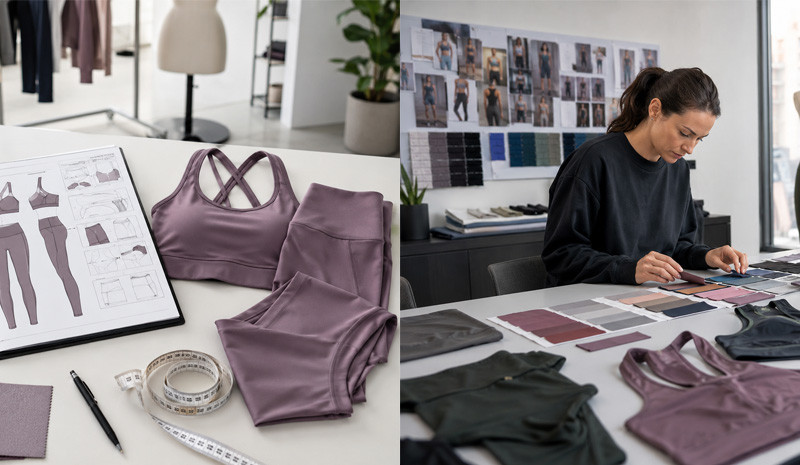
The journey to creating your own activewear line begins with a clear and powerful vision. This initial phase is all about translating your abstract ideas into a concrete plan. It involves deep market research, defining your unique brand identity, and planning a cohesive collection that will resonate with your target audience. This foundational stage sets the trajectory for your entire brand and is arguably one of the most critical steps in the entire process.
From Concept to Collection Planning
We start by solidifying your brand's foundation and meticulously planning your collection, a crucial first step in the activewear production process to ensure a cohesive launch.
Before the first stitch is ever sewn, a successful activewear brand must be built on a solid strategic foundation. This begins with having a clear vision for what you want to create and who you are creating it for. Identifying a gap in the market or a specific customer need is the perfect starting point. It’s essential to define your brand’s personality: is it bold and energetic, calm and minimalist, or eco-conscious and rustic? This identity will inform your colors, fonts, and overall tone of voice.
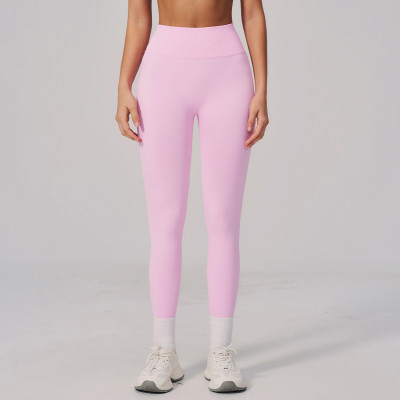
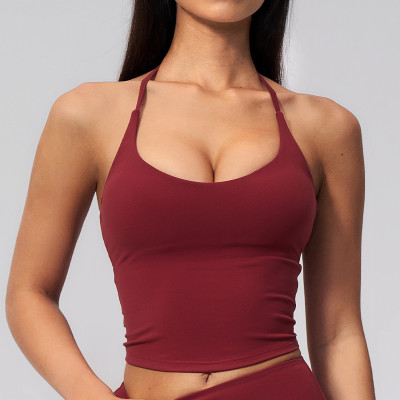
Once your brand identity is clear, the next step is meticulous collection planning. Instead of designing individual, separate items, thinking in terms of a cohesive collection is far more effective. A well-planned collection encourages customers to purchase multiple items that can be mixed and matched, which is a key driver of profitability. Start by defining a core selection of essential pieces. For a new women's activewear line, this might include high-waist leggings, a supportive sports bra, and a versatile tank top. For men, it could be a performance tee, joggers, and a hoodie. By creating a focused "capsule" collection, you can ensure every piece serves a purpose and works together, offering more value and style options to your customer.
This planning phase involves extensive market research to understand competitors and trends, helping you position your brand to stand out. Creating tools like mood boards and a formal brand book can help you and your manufacturing partners stay aligned with the vision throughout the production process.
Designing Your Unique Look
Our design services cover embroidery, screen printing, and DTG. We guide you through file formats and color choices, like 12 thread colors for embroidery or unlimited for DTG.
Turning your concept into a producible design requires translating creative ideas into a technical language that machines and artisans can understand. This means making key decisions about decoration methods, color palettes, and digital file preparation. Each choice impacts the final product's look, feel, durability, and cost.
Communicating Your Vision: The Tech Pack The single most important document at this stage is the tech pack. A tech pack is a comprehensive blueprint that details every aspect of your garment for the manufacturer. It's the instruction manual for your design, and without it, production becomes a risky guessing game. A complete tech pack typically includes:
- Flat Sketches: Detailed drawings of the garment from the front, back, and side.
- Bill of Materials (BOM): A complete list of all materials needed, including fabrics, threads, zippers, buttons, and labels.
- Construction Details: Specific instructions on stitching types, seam placements, and other assembly details.
- Colorways and Artwork Placement: Precise Pantone codes for colors and exact measurements for logo or graphic placement.
- Measurement Spec Sheet: A full table of measurements for each size you plan to produce (a process called "grading").
A detailed tech pack minimizes errors, helps control quality, and allows you to get accurate price quotes from different manufacturers. It acts as a universal language, ensuring your vision is executed precisely.
Choosing Your Decoration Method The method used to apply your logo or design is a crucial decision. The three primary options are embroidery, screen printing, and Direct-to-Garment (DTG) printing.
| Decoration Method | Best For | Durability | Color/Detail | Feel on Fabric |
|---|---|---|---|---|
| Embroidery | Logos, text, premium branding on heavier fabrics like hoodies and polos. | Excellent; often outlasts the garment itself. | Limited colors (e.g., up to 12 thread colors), not suitable for gradients or small text. | Textured, raised, and high-end. |
| Screen Printing | Bold, simple designs with limited colors; cost-effective for large orders. | Very durable; can last 50-100 washes if cared for properly. | Best for solid colors; each color requires a separate screen, increasing setup costs. | A thin layer of ink on top of the fabric. |
| DTG (Direct-to-Garment) | Complex, multi-color designs, photographs, and gradients; ideal for small batches. | Good; typically lasts 30-50 washes. Softer feel but less durable than screen printing. | Unlimited colors, high detail, and photorealistic quality possible. | Ink is absorbed into the fabric, resulting in a very soft feel. |
Preparing Your Design Files To ensure a high-quality print, your design files must be prepared correctly. The industry standard resolution for apparel printing is 300 DPI (dots per inch). Using a lower resolution will result in a blurry, pixelated final product.
The best file formats are:
- Vector Files (.AI, .EPS, .SVG): These are the gold standard for logos, text, and graphics with clean lines. Vector files use mathematical equations, allowing them to be scaled to any size without losing quality. This makes them ideal for screen printing.
- Raster Files (.PNG, .TIFF): These are pixel-based and are best for photographic or highly detailed images. PNG is the go-to format for DTG printing because it supports transparent backgrounds, while TIFF is a high-quality option that preserves all image data without compression.
By finalizing your tech pack, choosing the right decoration method for your brand, and supplying properly formatted design files, you set the stage for a smooth and successful production run.
Mock-ups and Minimum Order Quantities (MOQs)
You'll approve digital mock-ups before production. MOQs vary; screen printing starts at 12, while embroidery or DTG can begin with just 1, making custom activewear accessible.
Once your designs are finalized and your tech pack is complete, two practical but critical elements come into play: visualizing the final product through mock-ups and understanding the production minimums, known as Minimum Order Quantities (MOQs). These steps bridge the gap between design and manufacturing, ensuring you are confident in the look of your apparel and clear on the investment required.
The Power of Digital Mock-ups Before committing to the cost and time of creating a physical sample, a digital mock-up is an essential first step. A mock-up is a digital rendering that shows how your design will look on a virtual garment. This powerful tool allows you to:
- Visualize the Final Product: See how the scale, color, and placement of your design work on the actual clothing item, be it a hoodie, t-shirt, or leggings.
- Present Ideas to Stakeholders: Share professional-looking visuals with partners, investors, or focus groups to get feedback before production.
- Catch Potential Issues Early: Identify any design flaws or awkward placements that might not be obvious in a 2D design file, saving time and money on sample revisions.
You will be asked to review and approve these digital previews, ensuring every detail is correct before the factory proceeds to create a physical prototype. This approval is a crucial checkpoint to prevent misunderstandings.
Understanding Minimum Order Quantities (MOQ) MOQ, or Minimum Order Quantity, is the smallest number of units a manufacturer will produce in a single run. Manufacturers set MOQs to cover their fixed costs—such as machine setup, fabric sourcing, and labor—and to ensure that the production run is economically viable. For a brand, understanding MOQs is vital as it directly impacts upfront investment, inventory risk, and overall budget.
MOQs can vary significantly based on several factors:
- Fabric Sourcing: Custom-dyed fabrics usually have high MOQs (often 800-1,000 meters) because dye houses operate in large batches to ensure color consistency. In contrast, using stock fabrics that a manufacturer already has on hand allows for much lower MOQs.
- Design Complexity: Simple garments like t-shirts may have lower MOQs, while complex pieces with many panels or specialized stitching could require a higher volume to be efficient for the sewing line.
- Decoration Method: The chosen customization technique has a major impact.
- Screen Printing typically has a higher MOQ (e.g., starting at 12-24 pieces) because of the labor-intensive setup of creating a unique screen for each color in the design.
- Embroidery and DTG (Direct-to-Garment) printing are far more flexible. Since the setup is digital, they can be used for single-item orders, making them highly accessible for startups, testing new designs, or creating limited-edition pieces.
By offering low MOQs for certain methods, custom activewear manufacturing becomes accessible even for emerging brands, allowing you to start small and scale as you grow.
Mastering the Activewear Production Process: Fabrication and Finishing
With the design blueprint finalized, the focus shifts to the tangible aspects of creation: the materials and methods that will bring your garments to life. This stage is where performance and aesthetics merge. Choosing the right decoration technique for your specific fabric is crucial for durability and visual impact. It’s also where you elevate your product from a piece of clothing to a branded experience through specialized materials and professional finishing touches.
Choosing Your Decoration Method Wisely
As your custom activewear manufacturer, we offer screen printing for bold designs, DTG for intricate full-color images (ideal for 100% cotton), embroidery for a premium feel, and water-based transfers for photo-quality prints on diverse fabrics.
The performance and appearance of your custom activewear are heavily influenced by the chosen decoration method and how it interacts with the fabric. Not all printing techniques are suitable for all materials, especially the synthetic, stretchy fabrics common in activewear. Making an informed choice is key to ensuring your design is durable, vibrant, and maintains the functional properties of the garment.
Here’s a breakdown of methods tailored to specific fabrics and design goals:
Screen Printing: This traditional method pushes ink through a stencil onto the fabric. It's known for creating thick, durable logos and is very cost-effective for large orders with simple designs. While excellent for cotton and cotton blends, using it on performance fabrics like polyester requires specialized inks and processes to prevent the design from cracking when stretched.
Direct-to-Garment (DTG): DTG works like an inkjet printer, spraying ink directly onto the fabric. This method is perfect for photorealistic images and complex, multi-color designs on 100% cotton garments. However, it is less effective on polyester, as the ink doesn't bond as well to synthetic fibers, which can result in a dull appearance.
Embroidery: For a premium, textured look, embroidery is unmatched. It’s ideal for logos on heavier items like jackets, polos, and hoodies. The stitched design is extremely durable, often outlasting the garment itself. However, it’s less suitable for very stretchy or lightweight performance fabrics, where the stitching can pucker or weigh down the material.
Dye Sublimation: This is a top choice for performance activewear made from polyester. In this process, heat turns solid dye into a gas that permanently infuses into the fabric fibers. The result is a design with zero texture, excellent breathability, and resistance to cracking or peeling—perfect for all-over prints on leggings and jerseys. The one major limitation is that it only works on light-colored polyester or polymer-coated items.
Direct-to-Film (DTF) & Water-Based Transfers: These modern heat transfer methods offer incredible versatility. A design is first printed onto a special film or paper and then heat-pressed onto the garment.
- DTF is highly effective on a wide range of materials, including cotton, polyester, nylon, and spandex blends. It produces vibrant, detailed designs that are flexible and durable, making it an excellent all-around choice for modern activewear. The process also allows for low-temperature application, which helps prevent heat damage on sensitive synthetic fabrics.
- Water-Based Transfers provide a lightweight, soft feel and can reproduce millions of colors. They are eco-friendly, PVC-free, and tested to last over 50 washes, offering great stretch and rebound, making them a high-quality option for virtually any fabric.
| Method | Best Fabric | Design Type | Key Benefit |
|---|---|---|---|
| Screen Printing | Cotton, Cotton Blends | Bold, simple colors | Cost-effective in bulk |
| DTG | 100% Cotton | Photographic, complex | High detail, soft feel |
| Embroidery | Heavier fabrics (fleece, pique) | Logos, text | Premium, durable finish |
| Dye Sublimation | Light-colored Polyester | All-over, vibrant prints | Breathable, won't crack |
| DTF / Water-Based Transfer | Cotton, Polyester, Blends, Nylon | Any design (simple or complex) | High versatility and durability |
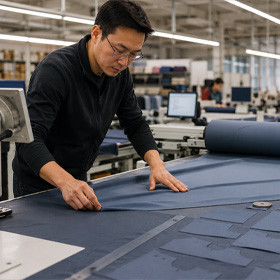
By understanding these options, you can work with your manufacturer to select the perfect method that aligns with your fabric choice, design complexity, and performance needs.
Specialized Inks, Materials, and Professional Finishing Touches
We use specialized inks (eco-friendly, stretch, 3M reflective) with diverse fabrics (cottons, polyesters, blends). As your OEM activewear partner, we provide finishing services like folding, bagging, UPC labels, and custom woven tags to elevate your brand.
Creating premium activewear goes beyond standard fabrics and inks. To truly stand out, brands can leverage specialized materials that offer unique aesthetic or functional benefits. Equally important are the final finishing touches—the details that transform a manufactured garment into a professional, retail-ready product. At AOLAFREE, we can go above and beyond as your perfect OEM activewear partner to transform your vision into a reality that'll make your brand stand out from the competition. You can learn more about how we can help you through our About AOLA page.
Innovating with Specialty Inks and Fabrics The choice of ink can dramatically alter a garment's functionality and appeal. Modern activewear often benefits from:
- Stretch Inks: Silicone-based inks are ideal for polyester and performance blends as they are incredibly flexible and can stretch with the fabric without cracking, maintaining the integrity of the design during intense activity.
- Eco-Friendly Inks: For brands with a focus on sustainability, water-based inks are an excellent choice. They are free from harmful chemicals like PVC, produce a soft feel, and are better for the environment. Other sustainable options include algae and soy-based inks, which are biodegradable and reduce reliance on petroleum.
- Reflective Inks: Safety and style converge with reflective inks, such as those made with 3M™ Scotchlite™ Reflective Material. These inks contain tiny glass beads that reflect light directly back to its source, dramatically increasing visibility in low-light conditions. This is a highly sought-after feature for running and cycling gear.
- Other Specialty Inks: Creative options are limitless and include puff inks that create a 3D texture, shimmer or metallic inks for a bit of sparkle, and even hydrochromic inks that change color when exposed to moisture (like sweat).
These inks are applied to a wide range of fabrics, from organic cottons and soft modal blends to high-performance polyesters and recycled synthetics, allowing for complete customization based on your brand's needs.
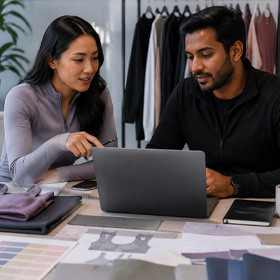
Professional Finishing for a Retail-Ready Product The final steps in the production process are what signal quality and professionalism to the end consumer. These finishing services ensure your product is presented perfectly:
- Custom Woven Labels: Unlike printed labels that can fade over time, a woven label has your brand name and logo stitched directly into the fabric, offering a durable, high-end feel. These can be sewn into the neck, on the hem, or as an external branding element.
- Hang Tags: Hang tags provide valuable retail real estate. They can be used to tell your brand story, display pricing, share care instructions, and feature your logo.
- Folding and Poly Bagging: Professional, consistent folding and individual poly bagging make your products look neat and organized, whether for e-commerce fulfillment or a retail shelf. Size stickers are often applied to the outside of the bag for easy identification.
- UPC Labels and Barcoding: For brands planning to sell through retail distribution channels, adding scannable UPC barcodes is essential for inventory management and point-of-sale processing.
These finishing details collectively enhance the customer's unboxing experience and elevate your brand's perceived value, making your activewear line look and feel complete.
Precision and Innovation: AOLAFREE's Role as Your OEM Activewear Partner
In today's fast-paced market, the right manufacturing partner does more than just produce garments—they bring precision, innovation, and unwavering quality to the table. As your Original Equipment Manufacturer (OEM) partner, AOLAFREE integrates advanced technology and strategic processes to ensure your activewear is not only produced efficiently but also stands out for its superior quality and design. From rapid prototyping to rigorous quality control, every step is optimized to bring your vision to life with excellence.
Leveraging Technology for Speed and Quality in Activewear Manufacturing
At AOLAFREE, we utilize Roland DG inkjet printers for rapid prototyping and small-batch production, accelerating the activewear production process and demonstrating our efficiency as an OEM activewear partner.
In the competitive activewear market, speed, precision, and flexibility are paramount. Embracing modern technology is no longer a luxury—it's essential for meeting market demands and producing high-quality garments efficiently. Advanced digital printing technologies, in particular, have revolutionized the way prototypes and small-batch orders are produced.
The Role of Digital Inkjet Printers in Rapid Prototyping Prototyping, the process of creating a preliminary sample, is a vital stage where design concepts are tested and refined. Traditionally, this could be a slow and costly phase, involving multiple physical iterations. However, the advent of high-speed digital inkjet printers has been a game-changer.
At AOLAFREE, we leverage cutting-edge equipment like Roland DG's direct-to-film (DTF) and eco-solvent printer/cutters. This technology offers several key advantages:
- Accelerated Speed: Digital printers can produce a fully realized prototype in a fraction of the time it takes traditional methods. Designs are sent directly from a computer to the printer, eliminating the need for creating screens or other manual setups. This rapid turnaround allows brands to test and iterate designs much faster.
- Cost-Effective Small Batches: One of the biggest benefits of digital inkjet printing is its ability to produce small quantities economically. Unlike screen printing, which has significant setup costs, digital printing has minimal upfront investment per design, making it ideal for startups, limited-edition drops, or testing new styles without committing to a large inventory.
- Unmatched Detail and Color: Modern inkjet technology can reproduce photographic-quality images, intricate patterns, and complex gradients with stunning accuracy. This allows for greater creative freedom and ensures the final product matches the digital design precisely.
- Increased Sustainability: Digital prototyping significantly reduces waste. By allowing designers to perfect their creations virtually and produce only the necessary samples, it minimizes the consumption of fabric, ink, and energy associated with traditional trial-and-error processes.
The use of machines like the Roland VersaSTUDIO series for creating DTF transfers allows us to quickly produce vibrant, detailed graphics that can be applied to a wide range of fabrics, including cotton, polyester, and performance blends. This efficiency not only accelerates the activewear production process but also provides our partners with the flexibility to innovate and respond to market trends swiftly.
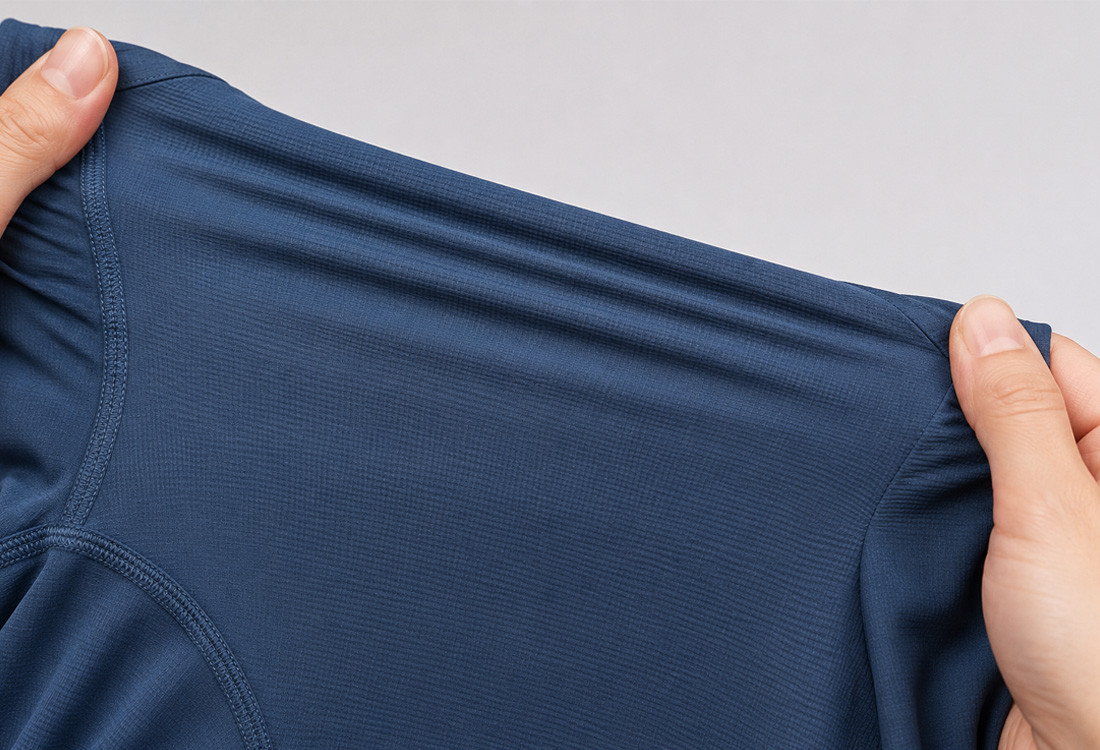
By integrating this advanced technology, we ensure that from the earliest prototype to the final small-batch run, your activewear is produced with the highest standards of speed, quality, and precision.
The Strategic Benefits of Dye Sublimation for Custom Activewear
Dye sublimation is crucial for vibrant, all-over prints on activewear. This method ensures stunning color fidelity, smooth gradients, and faster visualization, enhancing the activewear production process.
For brands looking to create custom activewear with bold, edge-to-edge graphics and photorealistic detail—especially items like yoga leggings or team jerseys—dye sublimation printing is an indispensable technology. Unlike other methods that apply ink to the surface of a garment, sublimation infuses the design directly into the fabric fibers, offering unparalleled benefits for performance apparel.
How the Dye Sublimation Process Works Dye sublimation is a sophisticated, multi-step process that creates permanent, high-resolution prints:
- Design Printing: The process begins by printing your digital design onto a special type of transfer paper using sublimation inks.
- Heat Transfer: The printed paper and the polyester fabric are then fed together through a heat press or calendar machine, which applies intense heat (typically 350-420°F) and pressure.
- Sublimation: The heat causes the solid dye on the paper to turn directly into a gas (to "sublimate").
- Fabric Infusion: This gas permeates the pores of the polyester fabric, and as the fabric cools, the ink solidifies and becomes permanently bonded within the fibers.
The result is a design that is not sitting on top of the fabric but has become a part of the fabric itself.
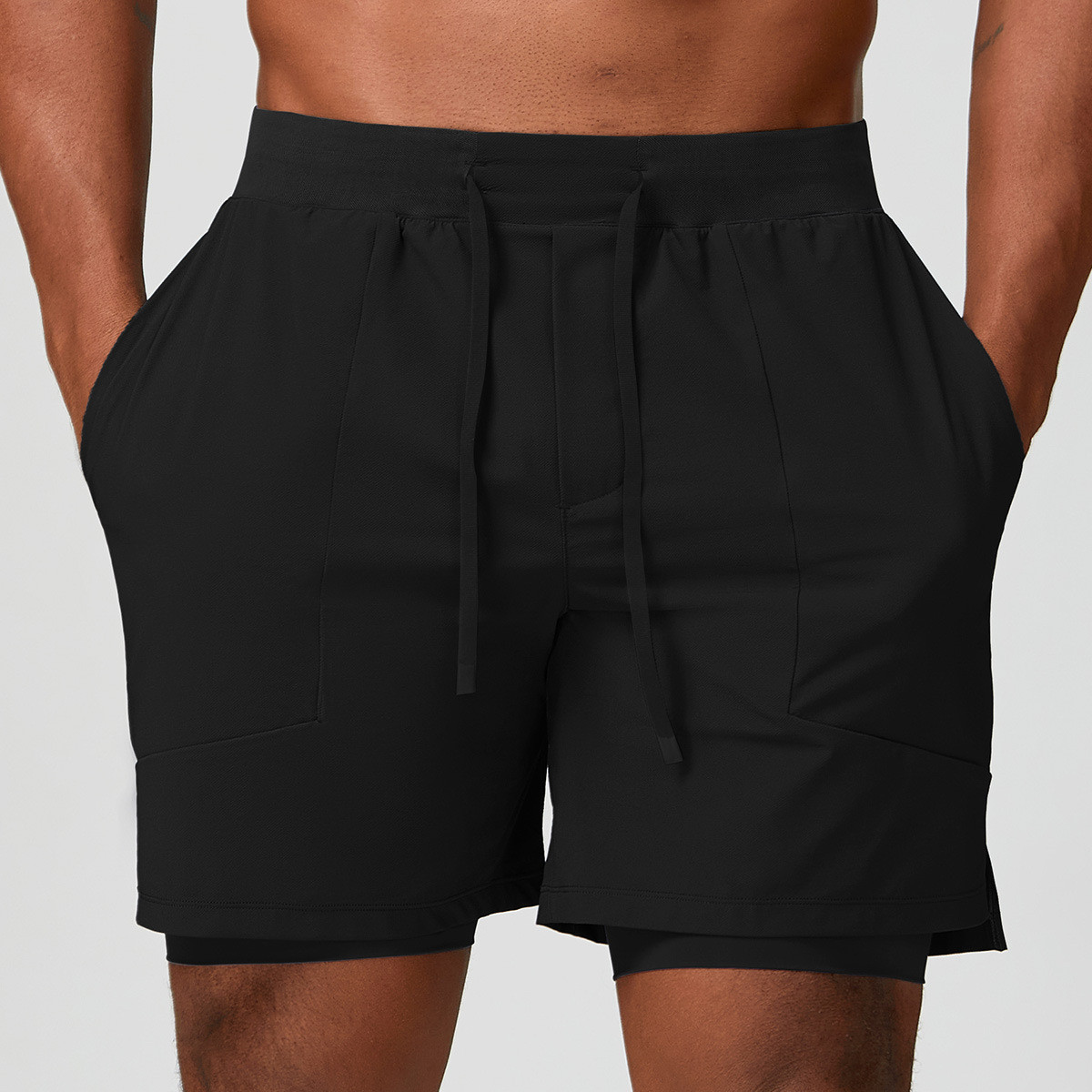
Key Advantages for Activewear
- Vibrant, Fade-Proof Color: Sublimation produces stunningly vibrant colors and smooth gradients that are incredibly resistant to fading, even after countless washes. This is because the dye is infused into the fabric, not just layered on the surface.
- Zero-Feel, Breathable Prints: Since the ink becomes part of the material, it adds no additional texture or weight. This is a huge advantage for activewear, as it maintains the fabric's original softness, flexibility, and moisture-wicking properties. The print will not crack, peel, or compromise the breathability of performance fabrics.
- Edge-to-Edge, All-Over Designs: Dye sublimation is the go-to method for creating all-over print (AOP) apparel like custom leggings, jerseys, and swimwear. The fabric is printed first and then cut and sewn, allowing your design to cover the entire garment seamlessly.
- Unmatched Durability: The molecular bonding of the ink and fabric makes the design incredibly durable. It will stretch with the fabric without distorting or being damaged, making it perfect for high-movement activities.
- Photographic Quality and Detail: As a digital process, sublimation excels at reproducing high-resolution images, fine details, and complex patterns with exceptional clarity.
While dye sublimation works best on light-colored, 100% polyester fabrics, its ability to create permanent, breathable, and visually stunning designs makes it the superior choice for high-performance and fashion-forward custom activewear.
Unwavering Quality Control
Every AOLAFREE order undergoes a meticulous triple-check for flawless quality and consistency. Our stringent activewear production process ensures we deliver exceptional custom activewear every time.
In clothing manufacturing, quality is not a single action but a continuous process. A brand's reputation rests on the consistency and excellence of its products, and even small defects can erode customer trust. To ensure every garment meets the highest standards, a robust quality control (QC) system is non-negotiable. An unwavering commitment to QC protects the brand, minimizes waste, and guarantees that the final activewear delivered to customers is flawless.
A truly effective QC strategy involves multiple checkpoints throughout the production journey. A "triple-check" system is a meticulous approach that ensures errors are caught early and standards are maintained from start to finish. This process typically unfolds in three key stages:
1. Pre-Production Inspection: This first check happens before mass production even begins. It focuses on the raw materials that will be used to create the garments. Key inspection points include:
- Fabric Inspection: Rolls of fabric are checked for defects such as holes, snags, inconsistent color, or incorrect weight (GSM).
- Trim and Accessory Check: Zippers, buttons, threads, elastic bands, and other components are inspected to ensure they match the specifications in the tech pack and are free from defects.
- Pattern and Sample Review: The approved master pattern and final prototype are double-checked against the technical specifications to ensure all measurements, seam types, and construction details are correct before cutting the bulk fabric.
2. In-Line (During Production) Inspection: The second check occurs on the sewing floor while the garments are being assembled. Inspectors randomly pull items from the production line to look for issues in real-time. This allows for immediate corrections before a large number of defective items are produced. Key areas of focus are:
- Cutting Accuracy: Ensuring fabric pieces are cut precisely according to the graded patterns.
- Stitching Quality: Checking for straight seams, consistent stitch length, and no skipped stitches or loose threads.
- Assembly Check: Verifying that panels are joined correctly and that details like pockets or zippers are attached properly.
3. Final (Post-Production) Inspection: The final and most comprehensive check happens after the garments are fully sewn and finished but before they are packaged for shipment. Each individual garment is thoroughly examined to ensure it meets all quality standards. This inspection includes:
- Measurement Verification: Checking key measurements (like inseam, waist, and chest) against the tech pack's sizing chart to ensure a consistent fit.
- Visual and Cosmetic Check: Inspecting for any stains, dirt, fabric flaws, or loose threads.
- Functionality Test: Testing zippers, buttons, and drawstrings to ensure they work correctly.
- Labeling and Packaging Audit: Confirming that the correct size labels, brand tags, and hangtags are attached properly and that the folding and bagging meet the brand’s requirements.
By implementing this stringent, multi-stage quality control process, we ensure that every piece of custom activewear not only meets but exceeds expectations, delivering a product that reflects the quality and integrity of your brand.
Frequently Asked Questions (FAQ)
1. What is the typical timeline for a custom activewear order? The timeline for a custom activewear order can vary significantly depending on the complexity of the design, fabric sourcing, and production volume. Generally, you can expect the process to take anywhere from 8 to 16 weeks. This includes about 3-6 weeks for design finalization, tech pack creation, and sample development. Once the final sample is approved, bulk production typically takes another 6-10 weeks, followed by quality control and shipping. It's crucial to plan ahead and communicate closely with your manufacturer.
2. How do I choose the right fabric for my activewear? Choosing the right fabric depends on the intended activity and desired feel. For high-intensity workouts like running or HIIT, look for lightweight, moisture-wicking materials like polyester-spandex blends. For activities like yoga or pilates, a four-way stretch fabric with good compression and an opaque, soft feel (often a nylon-spandex blend) is ideal. If sustainability is a priority, consider options like recycled polyester, TENCEL™, or organic cotton blends. Discussing your performance needs with your manufacturer will help you select the perfect material.
3. What's the difference between OEM and ODM manufacturing?
- OEM (Original Equipment Manufacturer): This is for brands that have their own unique designs. You provide the manufacturer with a detailed tech pack, and they produce the garments exactly to your specifications. You own the design. This is the model AOLAFREE specializes in, acting as your production partner.
- ODM (Original Design Manufacturer): Sometimes called "private label" or "white label," this is where the manufacturer already has pre-designed products that you can choose from. You can then add your own branding (logo, tags) to these existing designs. This is a faster and less design-intensive way to start a brand.
4. Can I get a physical sample before placing a bulk order? Absolutely. Getting a physical sample, or prototype, is one of the most critical steps in the manufacturing process. It allows you to test the fit, feel, and quality of the garment in person. You can wear it, wash it, and perform activities in it to ensure it meets your expectations. Only after you have approved the final sample should you move forward with bulk production.
5. What are the most sustainable options for custom activewear? Sustainability in activewear can be approached in several ways. Key options include:
- Eco-Friendly Fabrics: Choosing recycled materials (like rPET from plastic bottles), biodegradable fibers (like TENCEL™ Modal from beech wood), or organic natural fibers (like organic cotton).
- Eco-Friendly Inks: Using water-based or soy-based inks for printing, which are free from harmful chemicals and have a lower environmental impact.
- Sustainable Practices: Partnering with manufacturers who prioritize waste reduction, use less water and energy, and have ethical labor practices (look for certifications like GOTS or OEKO-TEX).
6. How can I ensure my brand's colors are matched correctly? To ensure precise color matching, it's essential to use a universal color matching system. The industry standard is the Pantone Matching System (PMS). When you create your tech pack, you should provide the specific Pantone codes for your brand colors. This gives your manufacturer an exact reference to match when dyeing fabrics or mixing inks, eliminating guesswork and ensuring your brand's visual identity remains consistent across all products. If you have any further questions or are ready to start your project, please feel free to Contact Us for a personalized consultation.
Phew! We’ve covered a lot, haven't we? From your initial brilliant idea to the final product hitting the racks, the activewear production process is an intricate and rewarding journey of design, technology, and skilled craftsmanship. Each step, from the first sketch to the final quality check, plays a vital role in creating a garment that performs well and looks great.
By partnering with a knowledgeable custom activewear manufacturer like AOLAFREE, you're not just gaining a supplier; you're securing a dedicated team committed to transforming your brand vision into a vibrant reality. We’re here to guide you through every step, ensuring unparalleled quality and efficiency by leveraging cutting-edge technology and meticulous attention to detail.
So, if you’re ready to create something incredible, remember that the right OEM activewear partner is poised to bring your unique custom activewear designs to life. Let’s make some waves in the activewear market, together