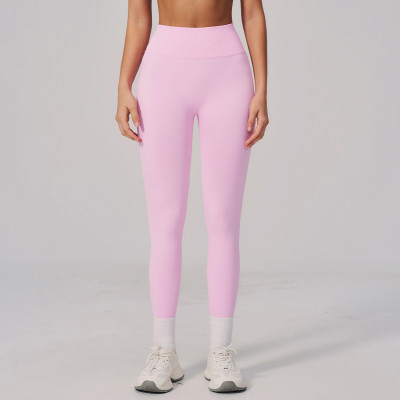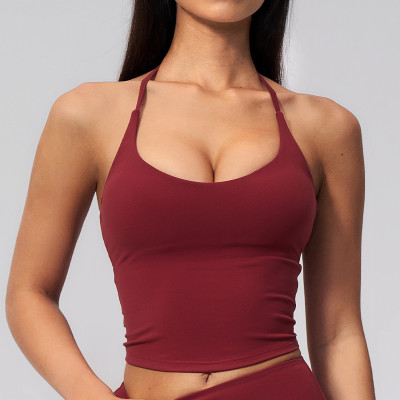

How Custom Activewear Is Made: A Step-by-Step Production Process
Have you ever wondered what goes into creating the perfect blend of style, comfort, and performance that defines custom activewear? As an expert in the field, I'm thrilled to pull back the curtain and share the intricate process. For many brands, especially those in the US and Europe, partnering with a manufacturer can feel like a leap of faith, fraught with concerns about inconsistent quality, incorrect fabrics, sizing errors, and delivery delays.
Join me on a fascinating journey through the step-by-step production of custom activewear, from initial concept to the final stitch. We'll reveal how an idea transforms into a high-quality garment ready for action and, more importantly, how a mature production system from a partner like AOLAFREE eliminates these common worries, ensuring your brand’s vision is realized with stability and excellence. This is the blueprint for turning a design into a reliable, top-tier product.
Key Takeaways
Creating custom activewear is a complex but manageable process when broken down into clear, structured stages. For any brand, understanding this journey is the first step toward a successful partnership with a manufacturer. Here are the essential takeaways from the production process:
- The Blueprint is Everything: The initial design and development phase, which includes detailed sketches, material selection, and professional pattern making, is the foundation of your entire project. A comprehensive Tech Pack acts as the ultimate guide for the manufacturer, minimizing ambiguity and preventing errors in fit, materials, and construction down the line. Investing time here prevents costly mistakes later.
- Fabric Selection is Foundational: The choice of material dictates the garment's performance, comfort, and aesthetic. Partnering with a manufacturer who has strong fabric development capabilities allows you to source or create the perfect material with specific properties like moisture-wicking, four-way stretch, and compression. This ensures the final product aligns with your brand's quality standards and the sample you approved.
- Iteration Creates Perfection: The prototyping and sampling stage is not a one-time event but a collaborative feedback loop. This iterative process of fitting, testing, and refining the sample is crucial for perfecting the garment's fit and function. It ensures that any issues with sizing or comfort are resolved before mass production begins, guaranteeing the final product meets your exact specifications.
- Standardization is the Key to Stability: A manufacturer's ability to maintain quality relies on a standardized production process. From automated fabric cutting and precision printing to advanced stitching on organized assembly lines, every step must be repeatable and consistent. This system is what prevents common problems like variations between batches or a drop in quality on re-orders.
- Quality Control is Non-Negotiable: Rigorous, multi-stage quality assurance is the safety net that guarantees excellence. Inspections should occur before, during, and after production—from raw material checks to in-line sewing reviews and final garment examinations against AQL standards. This commitment to quality is the hallmark of a trustworthy manufacturing partner.
- A True Partnership Goes Beyond Production: The ideal manufacturer is more than a vendor; they are a long-term partner invested in your brand's growth. This means they not only deliver high-quality products on time but also offer expertise in material innovation, solve logistical challenges, and provide a stable, scalable production system that can grow with your business. That reliability is the bedrock of a lasting brand.
By understanding these key points, you can better navigate the manufacturing landscape and identify a partner who offers transparency, expertise, and a production system designed for consistent, high-quality results.
From Concept to Creation: How an Activewear Manufacturer Turns Ideas into Design Prototypes
The journey from a simple idea to a tangible activewear product is one of the most exciting and critical phases in apparel development. This is where a brand's vision begins to take physical form. For European and American brands, the primary concern is ensuring that this initial creative spark is not lost in translation or compromised by technical limitations. A world-class manufacturer doesn't just follow instructions; they act as a technical and creative partner, using their expertise to elevate a concept into a viable, market-ready design prototype. This stage is all about building a solid foundation, meticulously planning every detail to prevent the common pitfalls of inconsistent quality or deviating from the approved sample. With a robust OEM/ODM Service, this foundational phase transforms creative energy into a precise, manufacturable blueprint.
Sketching the Initial Vision and Carefully Selecting Performance-Driven Materials for Your Custom Sportswear
Every great piece of activewear begins as a vision. This conceptual stage involves more than just a quick sketch on a napkin; it's a deliberate process of defining the garment's purpose, target audience, and unique selling proposition. Is it for high-intensity training, yoga, or outdoor adventures? The answer dictates every subsequent decision. The initial sketches capture the aesthetic—the silhouette, seam lines, and overall style. But for activewear, function is paramount.
This is where material selection becomes a critical, parallel step. The feel and performance of activewear are defined by its fabric. Key properties that manufacturers and designers look for include:
- Moisture Management: Fabrics must have moisture-wicking capabilities, pulling sweat away from the skin to the fabric's surface where it can evaporate. This keeps the wearer dry and comfortable. Polyester and Nylon are industry staples for this reason.
- Breathability: To prevent overheating, fabrics need to allow air to circulate. This is often achieved through the knit structure or by incorporating mesh panels in key heat zones.
- Stretch and Recovery: Materials like Spandex (also known as Lycra or elastane) are essential for providing freedom of movement. The fabric must not only stretch but also return to its original shape to maintain fit and support.
- Durability: Activewear endures significant stress from movement and frequent washing. High-quality synthetics and well-constructed blends offer superior resistance to pilling and abrasion.
A knowledgeable manufacturing partner proves invaluable here, offering a library of Custom Fabrice options or even developing a unique textile to meet a brand's specific performance goals. For instance, a blend of polyester for moisture-wicking and spandex for stretch is a classic combination for leggings and tops. For outdoor gear, fabrics might also need to be wind-resistant or offer UV protection. This early-stage collaboration ensures the initial creative vision is grounded in technical feasibility, preventing the common problem of a final product that looks good but fails to perform.
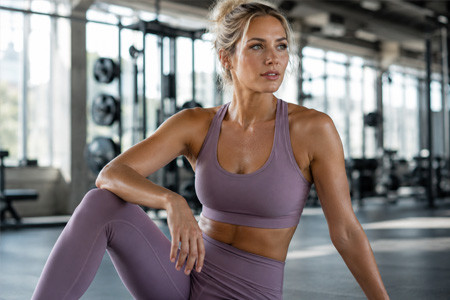
The Crucial Role of Professional Pattern Making and Initial Sample Development in Expert OEM Activewear Manufacturing
With a clear design concept and selected materials, the next step is to translate this vision into a precise technical blueprint. This is where professional pattern making comes in, a step that is absolutely critical to avoiding the common issue of inconsistent or incorrect sizing. Unlike fashion apparel, activewear patterns are highly technical. They must account for negative ease (where the garment is smaller than the body measurements) to provide compression and support, as well as the unique stretch and recovery properties of performance fabrics.
A skilled pattern maker drafts the initial pattern pieces, either digitally or by hand. This pattern is then used to create a Tech Pack, which is arguably the most important document in the entire production process. A comprehensive tech pack acts as the universal instruction manual for the factory, leaving no room for guesswork. It typically includes:
- Technical Sketches: Flat, detailed drawings of the garment from the front, back, and side.
- Bill of Materials (BOM): A complete list of every component, including main fabric, secondary fabrics (like mesh), threads, zippers, and labels.
- Graded Measurement Specification Sheet: A table of precise measurements for a base size, along with the graded measurements for the entire size range.
- Construction Details: Specific instructions on stitching types (e.g., flatlock seams to prevent chafing), seam allowances, and assembly order.
- Artwork and Print Details: Placement, dimensions, and color codes for any logos, prints, or embellishments.
Using this tech pack, the manufacturer produces the first prototype or development sample. This is the first physical version of the garment. It's an opportunity to see the design in 3D, check the basic construction, and make initial evaluations. A professional OEM/ODM Service excels at interpreting tech packs accurately, ensuring this first sample is as close to the brand's vision as possible, setting the stage for a smooth refinement process.
Refining Your Vision: The Prototyping and Sample Approval Stages with an Expert Activewear Manufacturer
Once the initial prototype is created, the design is far from finalized. This next phase is dedicated to refinement and perfection, transforming a good concept into a great product. It's a collaborative and iterative process that directly addresses a major concern for brands: ensuring the final bulk production matches the approved sample in every conceivable way. This is achieved through rigorous feedback loops, fit testing, and strategic pre-production planning. An expert manufacturer guides the brand through these stages with transparency and precision, establishing a "golden sample" or pre-production sample that will serve as the unwavering standard for the entire production run. This meticulous approach guarantees that what you approve is exactly what you get, eliminating unwelcome surprises and building a foundation of trust.
Iteration and Feedback Loops: Collaboratively Perfecting the Fit, Function, and Aesthetic of Your Garments
The first sample, often called the fit sample, is rarely perfect. This is where the iterative process begins. The brand and manufacturer enter a crucial feedback loop that centers on perfecting the three pillars of a successful garment: fit, function, and aesthetic.
1. The Fit Session: The sample is tried on by a fit model whose measurements match the brand's target demographic. This is a hands-on evaluation where every aspect of the garment's interaction with the body is scrutinized:
- Does it provide support without restricting movement?
- Are there any areas of pulling, sagging, or chafing?
- Is the length of the sleeves, legs, and torso correct?
- How does the garment perform during activity-specific movements (e.g., a squat, a run, a yoga pose)?
2. Gathering Feedback: Detailed feedback is collected during the fit session. Comments might include "the waistband rolls down during a squat," "the seams under the arm are abrasive," or "the compression feels too loose in the calves." This qualitative data is just as important as the quantitative measurements. At the same time, the aesthetic is reviewed. Are the colors correct? Is the logo placement effective? Does the overall look match the brand’s vision?
3. Implementing Revisions: This feedback is communicated back to the manufacturer’s technical team. The pattern maker then adjusts the pattern based on the comments—perhaps changing a curve, adding length, or moving a seam. The factory creates a second, revised sample. This cycle of fitting, feedback, and revision may repeat several times. It's common to go through two to four iterations to get the fit just right. Patience in this stage is key, as it is the best way to prevent widespread sizing and comfort issues in the final production. A manufacturer committed to quality, like AOLAFREE, will work collaboratively with the brand through as many iterations as needed to achieve the perfect result.
Preparing for Large-Scale Production: Strategic Sourcing and Detailed Production Planning for Premium Custom Sportswear
With a finalized and approved pre-production sample—the "golden sample"—the project is ready to move from single-piece creation to mass production. This transition requires meticulous planning to avoid two of the most significant risks in apparel manufacturing: inconsistent fabric quality and delivery delays.
Strategic Sourcing of Bulk Materials: The first step is to procure all the raw materials needed for the entire production run. One of the biggest fears for a brand is that the fabric used in bulk will differ from the approved sample. A reliable manufacturer mitigates this risk by working with trusted and vetted suppliers. The process includes:
- Ordering Based on the Approved Standard: The exact same fabric, with the same composition, weight, and color dye lot as the approved pre-Pproduction sample, is ordered in bulk.
- Incoming Quality Control (IQC): Before the fabric is even cut, it undergoes a thorough inspection. This pre-production quality control check ensures the material matches the specifications for color consistency, weight (GSM), and feel, and is free of defects. This step is non-negotiable for ensuring that every garment in the production run starts with the same high-quality foundation.
Detailed Production Planning: Simultaneously, the manufacturer's production planning and control (PPC) department creates a detailed manufacturing schedule. In the apparel industry, this is often done using a "backward scheduling" approach. The team starts with the final delivery date and works backward, allocating time for each stage of production:
- Finishing and Packing: (e.g., 5 days)
- Quality Control: (e.g., 3 days)
- Sewing and Assembly: (e.g., 15 days)
- Printing/Embellishment: (e.g., 5 days)
- Fabric Cutting: (e.g., 4 days)
- Material Arrival and Inspection: (e.g., 3 days)
This creates a clear timeline with milestones for each department. This proactive planning is the manufacturer's commitment to on-time delivery. It provides transparency and allows for the identification of potential bottlenecks before they become problems, ensuring a smooth and predictable production flow from start to finish.
The Heart of Production: Bringing Your Custom Sportswear to Life with AOLAFREE, Your Trusted OEM Activewear Partner
This is where the magic truly happens. With all patterns perfected, materials sourced, and timelines set, the factory floor comes alive. The mass production stage is a symphony of precision machinery and skilled human oversight, transforming rolls of fabric into thousands of finished garments. For a brand, this is the phase where consistency is king. The fear that the 5,000th piece won't match the quality of the first is a valid one, but it's a fear that a top-tier Original Equipment Manufacturer (OEM) like AOLAFREE is built to eliminate. Through standardized workflows, advanced technology, and a deep-seated commitment to craftsmanship, this stage ensures that the promise of the "golden sample" is replicated at scale, delivering the stable, high-quality finished products that global brands depend on.
Precision Fabric Cutting, Sublimation Printing, and Expert Embellishment Techniques for Unique Branding
The first step in mass production is converting the bulk fabric into individual garment pieces. Any error here can have a cascading effect, leading to fit issues and material wastage. That's why high-quality manufacturers rely on precision cutting technology. While manual cutting with shears can be used for very small orders or intricate prototypes, large-scale production uses automated methods:
- Automated CNC Cutters: Computer Numerical Control (CNC) cutting machines are programmed with the digital patterns for every piece and every size. The machine lays out the patterns on the fabric in the most efficient way possible (a process called nesting) to maximize yield and minimize waste. A laser or a high-speed blade then cuts through multiple layers of fabric with pinpoint accuracy. This automated process ensures every single piece is identical, which is essential for maintaining size consistency across thousands of units.
Once the pieces are cut, they move to the embellishment stage. This is where logos, graphics, and custom designs are applied, turning a generic garment into branded activewear. For performance sportswear, dye-sublimation printing is a premier technique. The process works as follows:
- Printing the Design: The graphic is first printed with special sublimation inks onto a sheet of transfer paper.
- Heat Transfer: The cut fabric piece (which must be a polyester or high-polyester blend) and the transfer paper are placed together in a heat press.
- Infusion: Under high temperature (typically around 400°F / 204°C) and pressure, the ink turns into a gas and bonds directly with the fabric's fibers.
Unlike screen printing, which lays ink on top of the fabric, sublimation infuses the color into the material. This results in a print that is incredibly vibrant, permanent, and has zero texture. It will not crack, peel, or fade, and critically, it does not compromise the fabric's breathability or moisture-wicking properties—a vital feature for performance apparel.
Other expert embellishment techniques include:
- 3D Embroidery: Creates a premium, textured logo, ideal for hats and heavyweight hoodies.
- Silicone Printing: Offers a sleek, modern, and slightly raised finish that is flexible and durable.
- Appliqué: Involves stitching fabric patches onto the garment, often used for a classic, retro team look.
Choosing the right technique depends on the fabric, design complexity, and desired brand aesthetic. An experienced partner like AOLAFREE can advise on the best methods to bring a brand's unique identity to life with quality and durability.
Advanced Stitching and Assembly Lines Ensuring Durability, Comfort, and High Performance for Your Activewear Range
Once the fabric pieces are cut and embellished, they move to the assembly line. This is where the garment is literally stitched together, piece by piece. For activewear, the sewing process is far more than just joining fabric; it's a technical discipline that directly impacts the garment's durability, comfort, and performance. Using the wrong stitch on a high-stretch fabric will cause seams to pop under tension, a clear product failure.
A state-of-the-art manufacturing facility uses specialized machinery and stitching techniques designed for performance textiles:
- Flatlock Stitching (ISO 607): This is the gold standard for high-performance activewear. Flatlock seams are created by joining two pieces of fabric edge-to-edge, creating a seam that is completely flat against the skin. This eliminates the raised internal edge found in conventional seams, which is a primary cause of chafing and skin irritation during repetitive motion. It's essential for next-to-skin garments like leggings, compression tops, and sports bras. While slower and more costly to produce, it is a clear indicator of a premium garment.
- Overlock Stitching (ISO 504): Also known as serging, this technique is a workhorse in apparel manufacturing. It uses multiple threads to wrap around the edge of the fabric, simultaneously joining panels and preventing the raw edge from fraying. It is strong, fast, and cost-effective, making it ideal for structural seams that are not in direct high-friction zones.
- Coverstitching: This is primarily used for hemming and finishing edges on stretch fabrics. It creates a professional-looking finish on the outside with two or three parallel lines of stitching, while a looper thread on the inside allows the hem to stretch with the garment.
An organized assembly line is crucial for maintaining quality and efficiency. Each sewer is a specialist, responsible for a specific task—one may only attach sleeves, while another sets waistbands. This specialization leads to greater speed and consistency. In-line quality checks are performed at various points in the assembly process. This means that any potential sewing defects are caught and corrected immediately, rather than being discovered only at the final inspection stage. This systematic approach is how a manufacturer like AOLAFREE guarantees that every piece is constructed with the same high level of precision, ensuring the durability and comfort expected of premium activewear.
Beyond the Stitch: Rigorous Quality Control and Global Delivery from Your Dedicated Activewear Manufacturer
The creation of a custom activewear garment doesn't end when the last stitch is sewn. The final stages of production are just as critical for safeguarding brand reputation and ensuring customer satisfaction. This is where a manufacturer's commitment to excellence is truly tested. Through a comprehensive, multi-stage quality control system, every single piece is scrutinized to ensure it meets the established standards. This is followed by thoughtful packaging and the complex logistics of global delivery. For brands in the US and Europe, a partner who masters these final steps is invaluable. It’s what guarantees that the high-quality product meticulously developed and produced arrives safely, professionally, and on time, ready to impress the end consumer. It’s the final and essential part of a stable, reliable production partnership.
Implementing Multi-Stage Quality Assurance Checks to Ensure Every Piece of Custom Sportswear Meets Stringent Standards
To eliminate the risk of inconsistent quality, a mature manufacturer implements a rigorous, multi-stage quality assurance (QA) system. This is not a single event but a continuous process integrated throughout production.
1. Pre-Production Quality Control (PQC): As mentioned, this starts before bulk production with the inspection of all incoming raw materials. Fabric, thread, zippers, and trims are all checked against the approved specifications to ensure they are correct and free from defects.
2. In-Process Quality Control (IPQC): This occurs directly on the production floor. QC inspectors move along the cutting and sewing lines, performing checks at key milestones. They might pull a piece from the assembly line to verify stitch consistency, check that a logo has been printed correctly, or measure a seam to ensure it matches the tech pack. This proactive approach catches errors the moment they happen, preventing a small mistake from affecting hundreds or thousands of garments.
3. Final Random Inspection (FRI): Once the order is 100% complete and at least 80% of the goods are packed, a final inspection is conducted. Rather than checking every single item (which is inefficient), inspectors use a statistical sampling method called Acceptable Quality Level (AQL). AQL is an international standard (often based on ISO 2859-1) that dictates how many units to inspect from a lot size and the maximum number of defects allowed for the batch to "pass".
Defects are typically categorized:
- Critical Defects (AQL 0): Unsafe or non-functional issues. A single critical defect results in the failure of the entire lot.
- Major Defects (AQL 2.5 is standard): Issues that affect the garment's usability or appearance and would likely cause a customer to return it, such as incorrect sizing, large stains, or a hole.
- Minor Defects (AQL 4.0 is standard): Small imperfections that don't affect function and are unlikely to result in a return, like a single loose thread.
If the number of defects found in the random sample exceeds the AQL threshold, the entire batch is rejected and sent back for 100% re-inspection and rework. This systematic, statistically-driven process is a brand's ultimate assurance that the quality of the entire order meets the high standards established by the "golden sample."
Thoughtful Packaging Solutions and Efficient Global Logistics: Getting Your High-Quality OEM Activewear to Market Seamlessly
Once a garment passes its final quality inspection, it moves to the finishing department. Here, each piece is neatly folded, hangtags and price tags are attached, and the item is placed into its individual packaging.
Thoughtful Packaging Solutions: The packaging is the first physical interaction a customer has with the product, making it a key part of the brand experience. A good manufacturer offers a range of customizable packaging options that both protect the garment and enhance brand perception:
- Poly Bags: Standard individual bags protect garments from moisture and dirt. Options can include resealable zippers or sliders. For environmentally conscious brands, biodegradable or compostable bags made from materials like cornstarch are excellent alternatives.
- Custom Apparel Boxes: For premium products or gift sets, custom-printed rigid or cardboard boxes provide a more luxurious unboxing experience.
- Branded Mailers: For e-commerce businesses, custom-printed poly mailers create a cohesive brand look from the moment the package arrives. Proper packaging ensures the high-quality garment that was so carefully produced arrives in perfect, store-ready condition.
Efficient Global Logistics: For brands in the US, Europe, and beyond, navigating international shipping is one of the biggest hurdles. An experienced OEM/ODM Service provider with a mature logistics department can handle this complex process seamlessly. This involves:
- Documentation: Preparing all necessary customs paperwork, including commercial invoices, packing lists, and certificates of origin, to ensure a smooth customs clearance process.
- Shipping Options: Offering a range of shipping methods to balance cost and speed, including sea freight for large, less time-sensitive orders and air freight for smaller, urgent shipments.
- Tracking and Communication: Providing clear tracking information and proactive communication so the brand knows exactly where its shipment is and when to expect its arrival.
Mastering global logistics is a key capability that differentiates a great manufacturing partner. It is the final step in guaranteeing that production lead times are met and that the products arrive as promised, preventing the costly delays that can disrupt a brand's seasonal launch or inventory management.
Frequently Asked Questions (FAQ)
1. What is a "tech pack" and why is it so important for custom activewear?
A tech pack is the master blueprint for your garment. It's a comprehensive document that contains every single detail a manufacturer needs to bring your design to life accurately. This includes technical flat sketches (front, back, side), a complete Bill of Materials (all fabrics, threads, trims), graded measurement specifications for all sizes, detailed construction notes (like stitch types and seam placements), and artwork details for logos and prints.
For European and American brands, a detailed tech pack is your primary tool for preventing misunderstandings and errors. It eliminates guesswork and ensures that your vision for fit, materials, and quality is clearly communicated. A good tech pack is the foundation for accurate price quoting, reduces the number of sample iterations needed, and serves as the ultimate quality standard for bulk production. Without it, you risk getting samples and final products that don't match your expectations.
2. How do you ensure the fabric in my bulk order is the same as the sample I approved?
This is a critical concern, and a reliable manufacturer addresses it with a strict, multi-step process. First, the approved "golden sample" (or pre-production sample) serves as the physical standard. The bulk order for fabric is placed with the exact same specifications from the same vetted supplier.
When the bulk fabric arrives at the factory—and before it is cut—it undergoes an Incoming Quality Control (IQC) inspection. The QC team compares the bulk fabric directly against the approved sample swatch, checking for color consistency (under controlled lighting), weight (GSM), texture, and stretch. Any deviation from the approved standard is flagged immediately. This pre-production check guarantees that the foundational material for every garment in your order is identical to what you approved, ensuring consistency from the first piece to the last.
3. What is the difference between flatlock and overlock stitching, and which is better for activewear?
Both are essential stitching techniques in activewear, but they serve different purposes.
- Overlock Stitch: This is a strong, efficient stitch that wraps thread around the edge of the fabric panels to join them and prevent fraying. It creates a slight raised ridge on the inside of the seam. It's a durable workhorse, excellent for structural seams that aren't in high-friction areas.
- Flatlock Stitch: This is a premium stitch where the fabric edges are butted up against each other and sewn together, creating a seam that is completely flat on both sides.
For performance activewear worn next to the skin (like leggings, shorts, and compression tops), flatlock is superior for comfort. Its flat profile eliminates the ridge that can cause chafing and irritation during repetitive movement. Overlock is perfectly suitable for less-fitted garments or areas with lower friction. A high-quality manufacturer like AOLAFREE uses a strategic combination of both: flatlock for critical comfort zones and overlock for structural integrity, balancing performance with efficient construction.
4. How is quality controlled across thousands of garments to ensure consistency?
Consistent quality is achieved through a multi-stage Quality Assurance (QA) system, not just a single final check. The key stages are:
- Pre-Production Control: Inspecting all raw materials before production begins.
- In-Process Quality Control (IPQC): QC inspectors monitor the production lines (cutting, sewing, printing) in real-time, catching and correcting errors as they happen.
- Final Random Inspection (FRI): After production is complete, inspectors use a statistical sampling method called Acceptable Quality Level (AQL). They inspect a random sample of the finished, packaged goods and check them against the approved sample and tech pack. If the number of defects found exceeds the pre-determined limit for major or minor flaws, the entire batch is flagged for rework.
This systematic process ensures that quality standards are enforced at every step, which is how a factory can reliably produce tens of thousands of units that all meet the exact same standard of excellence.
5. How long does the entire custom activewear production process typically take?
The total timeline can vary based on complexity, quantity, and fabric development, but a general timeframe from initial concept to shipment is approximately 12 to 20 weeks. This can be broken down as follows:
- Design, Tech Pack, and Material Development: 2–4 weeks.
- Prototyping and Sample Iterations: 3–6 weeks. This can be longer if multiple revisions are needed to perfect the fit.
- Bulk Material Sourcing: 2–4 weeks.
- Mass Production (Cutting, Sewing, QC): 4–8 weeks, depending on the order size and complexity.
- Shipping: Air freight can take 1–2 weeks, while sea freight can take 4–6 weeks.
An experienced manufacturer will provide a detailed "Time and Action" (T&A) calendar at the start of the project, which outlines the schedule for each stage. This transparency is crucial for brands to plan their marketing and launch dates effectively.
Conclusion
From the first design sketch to the final quality check, the journey of custom activewear production is a detailed and demanding one. It's an intricate dance of creativity, technology, and meticulous execution. As we've explored, every step—from selecting the right performance fibers and creating precise patterns to leveraging advanced stitching and implementing rigorous quality control—is essential in transforming a vision into exceptional athletic apparel. Understanding this process demystifies manufacturing and highlights the expertise required to succeed.
Choosing the right activewear manufacturer is the most critical decision a brand can make. Common fears of inconsistent quality, incorrect materials, sizing errors, and delivery delays are valid, but they are not inevitable. They are symptoms of a weak or immature production system. A true manufacturing partner like AOLAFREE mitigates these risks through a standardized, transparent, and quality-driven process. By embracing expertise in fabric development, professional pattern-making, scalable production capacity, and unwavering quality control, we provide the stability and reliability that ambitious brands need. We are more than just a factory; we are a long-term strategic partner with a mature production system, dedicated to helping your brand grow and thrive with confidence.
Ready to bring your unique custom sportswear dreams to life? Contact US today to start the conversation.