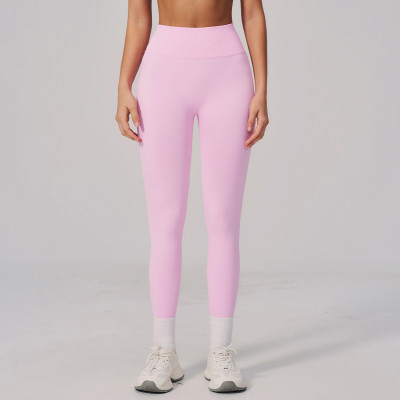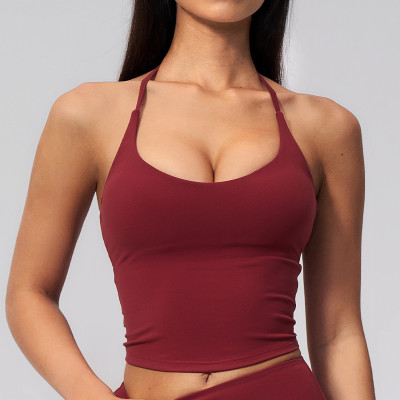

How to Choose the Right Leggings Manufacturer for Your Activewear Brand
Crafting the perfect activewear line begins with a fundamental decision: selecting the right custom leggings manufacturer. The success of your brand, client satisfaction, and market growth are intrinsically linked to the quality and reliability of your manufacturing partner. This choice is not merely a transaction but the formation of a strategic partnership that will define your product's quality and your brand's reputation.
Whether you represent a burgeoning startup, a specialized fitness boutique, or a well-established apparel enterprise, this guide will assist you in making this pivotal choice. We will explore the critical factors and considerations necessary to forge a successful partnership that can scale with your ambitions. The journey from a design concept to a retail-ready product is complex, requiring technical expertise in everything from fabric technology to quality control.
Our goal is to help you navigate the complexities of manufacturing to find a partner that aligns with your brand's vision and quality standards, ensuring your activewear brand thrives. By focusing on consistency, communication, and capability, you can secure a manufacturing relationship that supports long-term growth and customer trust.
Defining Your Vision and Manufacturer's Expertise: Finding the Right Custom Leggings Manufacturer
The first step in your manufacturing journey is introspection. Before you can evaluate a potential partner, you must have a crystal-clear vision for your product and a deep understanding of your brand's unique needs. This clarity is the foundation upon which a successful manufacturing partnership is built. Without it, you cannot effectively communicate your requirements or accurately assess a manufacturer's ability to meet them.
Articulating Product Needs: Performance and Design for Your Private Label Leggings Manufacturer
Before you can find the right partner, you must clearly define what you are asking them to create. A vague description like "soft, stretchy leggings" is a recipe for miscommunication and disappointment. The single most crucial tool for this is a comprehensive Tech Pack. This document serves as the manufacturing blueprint for your product, leaving no room for guesswork.
A professional manufacturer will expect a detailed tech pack that includes:
- Flat Sketches: Technical drawings of the garment from the front, back, and side, with callouts for specific details like seam placement, pocket design, or mesh panels.
- Bill of Materials (BOM): A complete list of every single component. This includes main fabric, contrast fabrics, liners, thread type and color, elastics, drawcords, and any branded trims like zipper pulls or aglets. For each item, you must specify composition (e.g., 80% Nylon, 20% Spandex), weight (in GSM), color (using Pantone codes), and supplier if you have a preference.
- Measurement Specification Sheet: This chart details the Points of Measurement (POMs) for your sample size (e.g., Medium). Key POMs for leggings include waistband height, inseam, front/back rise, and leg opening. It should also include "grading rules," which define the incremental changes for each size up and down your range.
- Construction Details: Explicit instructions on how the garment should be assembled. Specify the type of stitching required (e.g., flatlock seams for comfort, reinforced bar tacks at stress points) and stitch per inch (SPI).
- Branding & Packaging: Precise placement, size, and application method (e.g., heat transfer, embroidery) for all logos. Include details for care labels, hang tags, and final packaging.
Beyond the technical specifications, you must define the balance between performance and design. Activewear is not just about aesthetics; it's about function. Be clear about the intended use of your leggings. Are they for:
- High-Impact Training: Requiring high compression, excellent moisture-wicking capabilities, and durability?
- Yoga & Pilates: Prioritizing softness, four-way stretch for maximum flexibility, and an opaque fabric that passes the "squat test"?
- Athleisure/Fashion: Focusing more on unique textures (like faux leather), patterns, and a comfortable, stylish fit for everyday wear?
This decision directly influences fabric choice and construction methods. For example, performance leggings often rely on flatlock seams to prevent chafing, while fashion leggings might use standard overlock stitching. Your tech pack must reflect these functional requirements to ensure the final product meets your customer's expectations.
Assessing Experience and Specialization: Partnering with a Capable OEM Leggings Manufacturer
Not all apparel factories are created equal. A manufacturer that excels at producing cotton t-shirts may not have the requisite knowledge to create high-performance activewear. When choosing an OEM (Original Equipment Manufacturer) leggings manufacturer, you must specifically assess their experience and specialization in the world of stretch fabrics and athletic construction.
Here’s what to look for:
Specialization in Activewear: Ask potential partners what percentage of their production is dedicated to activewear like leggings, sports bras, and training tops. A factory that specializes in this category will have a deeper understanding of the unique challenges involved, such as managing fabric stretch, ensuring seam durability during movement, and achieving a consistent fit. They are more likely to have the right machinery, like flatlock and coverstitch machines, which are essential for professional-grade activewear.
Portfolio and Past Work: Don't just take their word for it. Request to see their portfolio and, if possible, physical samples of leggings they have produced for other clients (non-branded, of course). Evaluating their previous work gives you direct insight into their craftsmanship. Check for:
- Stitching Quality: Are the seams clean, even, and flat? Is there any puckering or waving?
- Construction Integrity: Look at high-stress areas like the crotch gusset and waistband. Are they reinforced properly?
- Fabric Quality: How does the fabric feel? Even without lab tests, you can get a sense of its hand-feel, weight, and opacity.
Client Base and Market Experience: A manufacturer's client base can be telling. Do they primarily work with established activewear brands, startups, or a mix? Do they have experience exporting to your target market (e.g., the USA or Europe)? A factory familiar with your market's sizing standards, labeling requirements, and quality expectations will make the entire process smoother.
Technical Expertise and Problem-Solving: A true partner doesn't just follow instructions; they add value. During initial discussions, a good manufacturer will ask insightful questions about your tech pack and may even suggest improvements. For example, they might recommend a more durable stitching method for a certain seam or a fabric blend that better achieves your desired compression level while managing costs. This proactive approach is a strong indicator of a knowledgeable and engaged partner, not just an order-taker. Their ability to foresee potential production issues and offer solutions is a sign of deep industry experience.
Choosing a manufacturer that is a specialist in activewear reduces your risk significantly. Their focused expertise means they've already solved many of the problems that a general garment factory would encounter for the first time with your product.
Key Manufacturing Capabilities and Customization from Your Chosen Private Label Leggings Manufacturer
Once you’ve confirmed a manufacturer has the right specialization, the next step is to perform a deep dive into their specific capabilities. This is where you separate the factories that can simply make leggings from the partners who can help you build a unique and high-quality brand. A top-tier private label leggings manufacturer will offer a robust suite of services that go far beyond basic sewing.
Fabric Sourcing, Quality, and Innovative Development for AOLAFREE Activewear
The soul of any pair of leggings lies in its fabric. It dictates comfort, performance, durability, and ultimately, customer satisfaction. A manufacturer's approach to fabric is a critical indicator of their quality and capabilities.
1. Sourcing and Fabric Library: A top-tier manufacturer maintains a vast library of fabrics and strong relationships with reputable mills. They should be able to provide and explain the differences between common activewear blends:
- Nylon/Spandex: Often considered the premium choice for its soft hand-feel, durability, and excellent stretch recovery.
- Polyester/Spandex: Valued for its superior moisture-wicking properties and quick-drying nature, making it ideal for high-intensity workouts.
- Sustainable Options: In 2026, sustainability is no longer a niche but a core expectation. Look for manufacturers offering fabrics like recycled polyester (rPET) and recycled nylon. Leading suppliers like Aolafree provide access to these eco-friendly materials, helping your brand appeal to conscious consumers.
When discussing fabric, a manufacturer should be able to provide detailed specifications, not just vague descriptions. Ask for fabric composition percentages, weight in GSM (Grams per Square Meter), and any performance finishes (e.g., moisture-wicking, anti-odor).
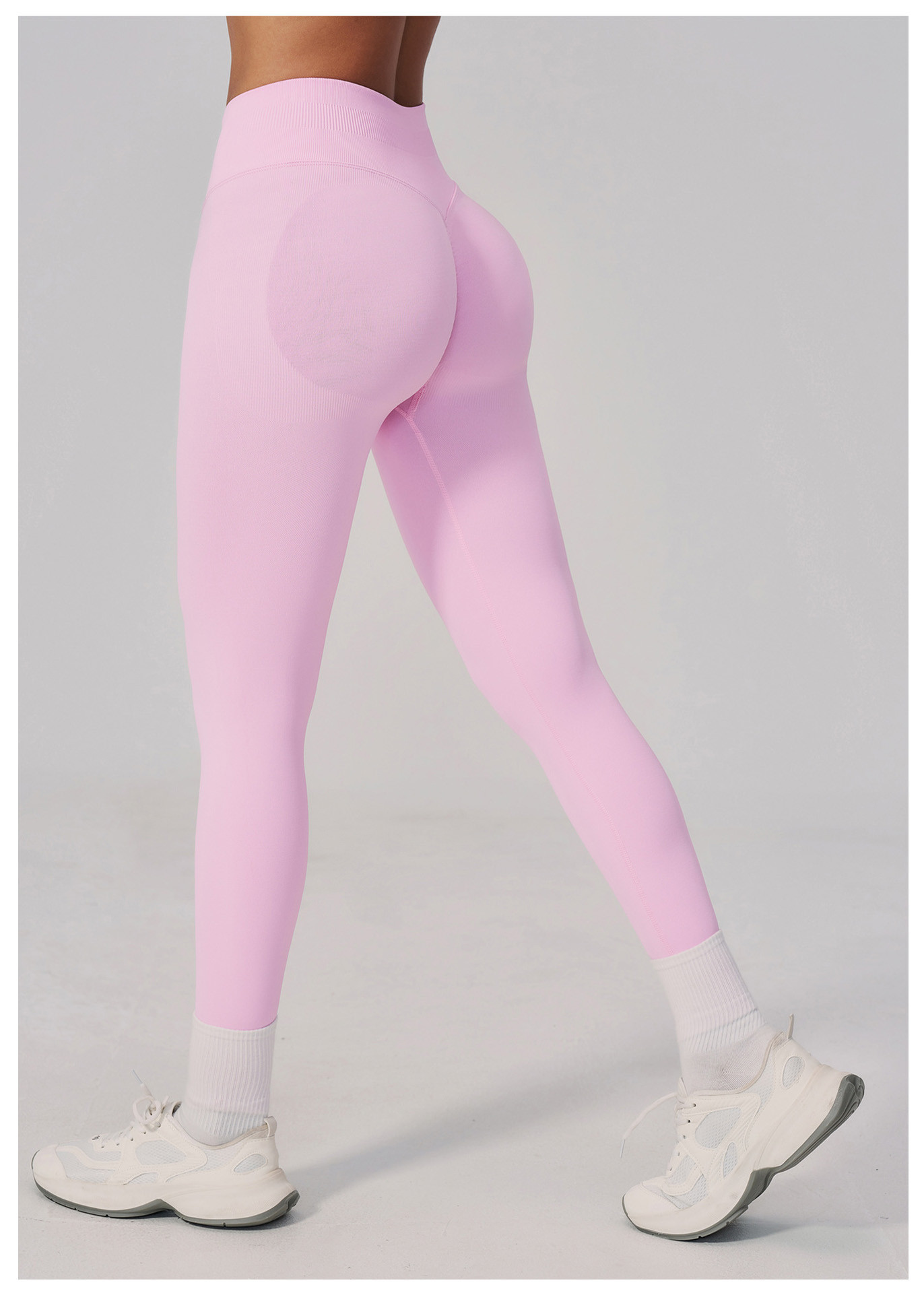
2. Quality Testing and Assurance: Great fabric sourcing is backed by rigorous testing. Before a single yard is cut, a reliable manufacturer should perform several key tests:
- Wash Test: To check for colorfastness and shrinkage.
- Stretch and Recovery Test: To ensure the fabric snaps back to shape and doesn't sag after being worn.
- Abrasion/Pilling Test: Rubbing the fabric to see if it develops pills (small balls of fiber).
- Opacity Test: Critically, ensuring the fabric is not see-through when stretched, often called the "squat-proof" test. A minimum weight of 200 GSM is often recommended for dark colors, and 260 GSM or higher for light colors to ensure opacity.
3. Innovative Fabric Development: The best manufacturing partners act as an extension of your R&D team. They are proactive in exploring and developing new fabric technologies. This could include:
- Smart Textiles: Fabrics with integrated technology to monitor biometrics.
- Advanced Finishes: Treatments that provide anti-odor, UV protection, or even thermal-adaptive properties that adjust to body temperature.
- Custom Blends: For established brands, a manufacturer may offer custom fabric development to create a unique blend exclusive to your products.
By partnering with a manufacturer that excels in fabric sourcing and innovation, you're not just buying a product; you're gaining access to the materials and expertise that will set your brand apart.
Precision Pattern Making, Flawless Fit Development, and Advanced Stitching
Fabric is only half the story; how it's cut and sewn determines the final fit and performance. A great manufacturer is also a master of technical design and construction. Their expertise in pattern making and stitching is what transforms a flat piece of fabric into a three-dimensional garment that fits and flatters the human body.
1. Precision Pattern Making and Fit Development: The pattern is the true blueprint of your leggings. A poorly drafted pattern will result in a terrible fit, no matter how great the fabric is. An experienced manufacturer will have a dedicated pattern-making department that can either work from your detailed specs or help you develop a pattern from scratch.
The fit development process is iterative and crucial:
- A pattern is drafted based on your measurements and design.
- A first "fit sample" is created.
- This sample is tested, ideally on a live model or a form with your target market's dimensions.
- Feedback is given on areas like waistband height, inseam length, and whether there's any unwanted sagging or pinching.
- The pattern maker adjusts the pattern based on this feedback, and a new sample is made.
This cycle continues until the fit is perfect. A manufacturer that rushes this process or is unwilling to make multiple revisions is a major red flag. They must understand the nuances of fit for an active body, ensuring leggings don't roll down at the waist, ride up at the ankle, or become sheer during a squat.
2. Advanced Stitching Techniques: The type of stitching used on activewear is not just a decorative choice—it is a functional necessity that impacts durability, comfort, and stretch. A knowledgeable manufacturer will use specific techniques for different parts of the garment.
| Stitching Technique | Description | Best For | Why It Matters |
|---|---|---|---|
| Flatlock Stitch | Joins fabric panels edge-to-edge, creating a seam that is completely flat on both sides. Often uses 4 needles and 6 threads (4N6T). | Inseams, crotch gussets, side panels, and any seam in a high-friction area. | This is the gold standard for performance activewear. It eliminates bulky internal seam allowances, which is the primary cause of chafing and skin irritation during repetitive movement. |
| Overlock Stitch | Wraps threads around the edge of the fabric panels, simultaneously sewing them together and finishing the raw edge. | General construction on casual leggings or in areas not in direct contact with skin. | It's a fast, strong, and cost-effective stitch, but the resulting internal seam can be bulkier and may cause irritation for some wearers during intense activity. |
| Coverstitch | Creates a professional-looking hem with two or three parallel lines of stitching on the outside and a looper thread on the inside. | Hemming leg openings and waistbands. | Provides excellent stretch, so threads don't pop when the garment is pulled on. It creates a clean, durable, and flexible finish that is superior to a simple folded hem on knit fabrics. |
| Bartack Stitch | A series of tight, repeated stitches used to reinforce specific stress points on a garment. | Pocket corners, the top and bottom of a zipper, and belt loops. | Significantly increases the durability of areas that are subject to high levels of strain, preventing tears and extending the life of the leggings. |
When vetting a manufacturer, ask them what kind of stitching they use for performance leggings. If they don’t immediately mention flatlock stitching for primary seams, they may lack specialization in high-quality activewear.
Comprehensive Customization Options for Unique Branding with a Top Custom Leggings Manufacturer
In a crowded activewear market, customization is what transforms a generic product into a unique brand statement. Your manufacturing partner should serve as a creative collaborator, offering a wide array of options to bring your brand identity to life. This goes beyond simply putting a logo on a pre-made item; it involves tailoring every detail to your vision.
Here are the key customization capabilities to look for in a top custom leggings manufacturer:
1. Printing and Dyeing Techniques: The visual appeal of your leggings is paramount. A versatile manufacturer should offer multiple methods for applying colors and patterns.
- Dye-Sublimation: This digital printing process is ideal for activewear. The design is printed onto special paper and then heat-transferred, turning the ink into gas that bonds directly with the polyester fibers. The result is a vibrant, permanent print that has zero feel, won't crack or peel, and doesn't compromise the fabric's stretch or breathability. It's perfect for complex, all-over patterns and photorealistic images.
- Screen Printing: This traditional method involves pushing ink through a mesh screen onto the fabric. It's best suited for simple, bold graphics with one or two colors, like a brand logo or a slogan. For stretch fabrics, it's crucial that the manufacturer uses a plastisol ink with a stretch additive to prevent the print from cracking when the fabric is stretched.
- Custom Dyeing: For solid-color leggings, a manufacturer should offer custom dyeing to match your specific brand colors using Pantone references. This ensures color consistency across your entire collection.
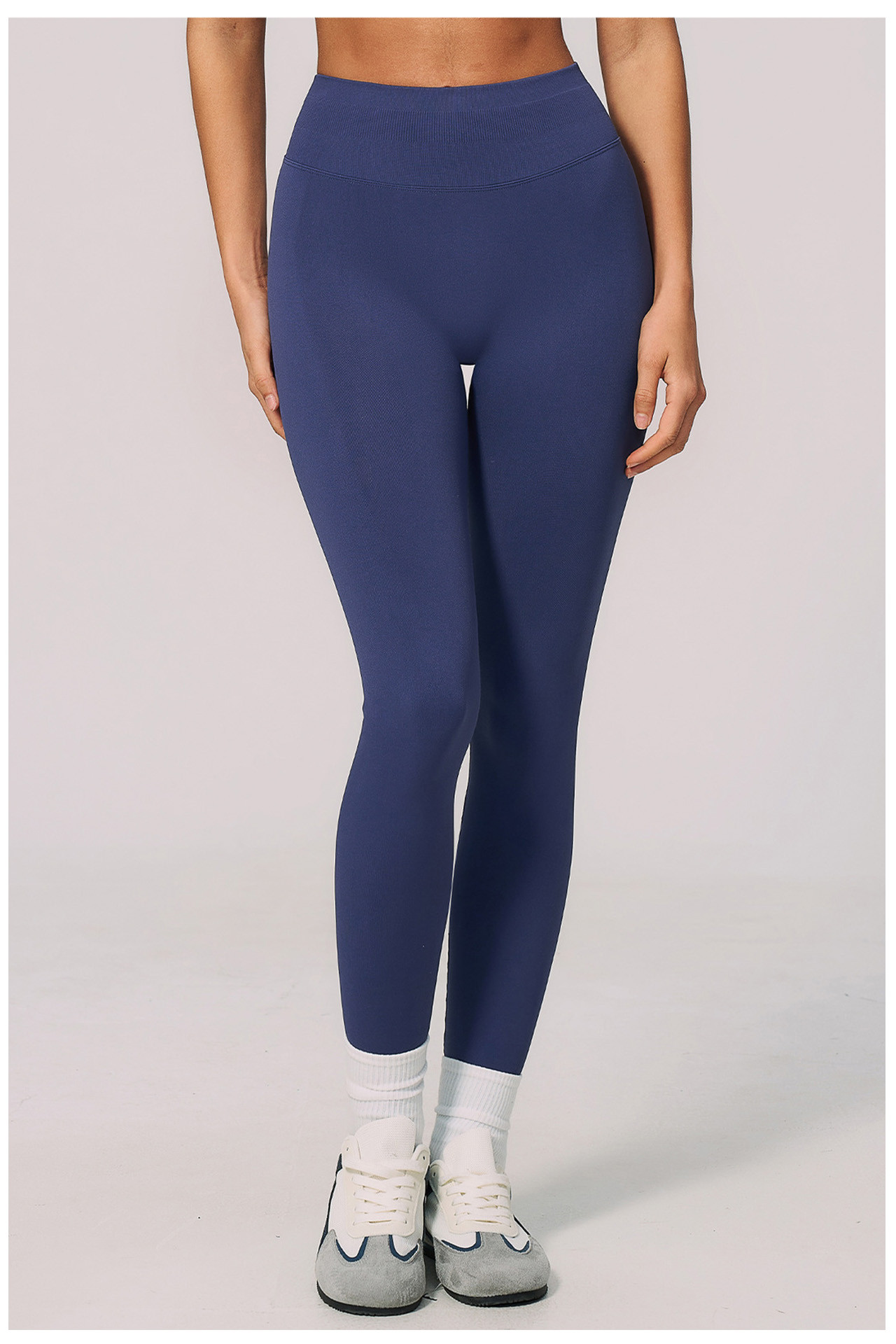
2. Branded Trims and Components: Small details can have a big impact on the perceived value and uniqueness of your product. A good partner will provide options for:
- Custom Waistbands: From a simple elastic band to a wide, high-rise compression waistband with a jacquard-woven logo. Crossover waistbands and V-cut designs are also popular customizable features.
- Pockets: The inclusion of functional pockets, such as a hidden waistband pocket for a key or side pockets large enough for a phone, is a highly sought-after feature.
- Drawcords and Aglets: Customizing the color of the drawcord or adding branded metal or silicone tips (aglets).
- Reflective Elements: For leggings designed for outdoor running, adding reflective heat-transfer logos or trim enhances safety and adds a technical aesthetic.
3. Private Labeling and Packaging: The final presentation of your product is just as important as the garment itself. A complete private label service includes:
- Woven & Care Labels: Designing and sewing in custom-branded neck and care instruction labels.
- Hang Tags: Creating unique hang tags that tell your brand's story and highlight product features.
- Packaging: Offering options for custom-branded poly bags, tissue paper, or even gift boxes to create a premium unboxing experience for your customers.
A manufacturer that offers this full spectrum of customization empowers you to build a product that is truly your own. It allows you to control the aesthetics, functionality, and branding from the fabric to the final package, which is essential for differentiating yourself and building a loyal customer base.
Operational Efficiency and Quality Assurance with Your OEM Leggings Manufacturer
A great design and perfect sample are meaningless if the manufacturer cannot replicate them consistently at scale. Operational efficiency and a robust quality assurance system are the backbone of a reliable OEM leggings manufacturer. These elements ensure that your bulk orders match the approved sample, arrive on time, and meet your quality standards, order after order. A failure in this area is one of the most common and costly problems for activewear brands.
Understanding MOQs, Production Capacity, and the Sampling Process
A seamless partnership hinges on aligning your brand's needs with the manufacturer's operational structure. Three critical components to understand are Minimum Order Quantity (MOQ), production capacity, and the sampling process.
1. Minimum Order Quantity (MOQ): MOQ is the smallest number of units a factory is willing to produce for a specific style and color. Manufacturers set MOQs to cover their fixed costs, such as machine setup, fabric procurement, and labor, ensuring that each production run is profitable.
- Why it Matters: For startups, a high MOQ can be a significant barrier, tying up capital in large amounts of inventory. For established brands, a manufacturer's MOQ must align with sales forecasts.
- Typical MOQs: This varies widely. Some factories specializing in startups might offer MOQs as low as 50-100 pieces per style/color, especially if using their stock fabrics. More common MOQs for custom orders range from 200-500 pieces.
- Negotiating MOQs: Negotiation is sometimes possible. You can ask if it's possible to meet a higher total order quantity by splitting it across multiple styles or colors. Using the manufacturer's in-stock fabric can also lead to lower, more flexible MOQs.
2. Production Capacity: This refers to the maximum number of garments a factory can produce within a specific timeframe (e.g., per month).
- Why it Matters: You need a partner who can handle your current order size but also scale with you as your brand grows. A manufacturer with insufficient capacity could become a bottleneck, leading to long lead times for re-orders and missed sales opportunities. Conversely, a massive factory might not give smaller orders the attention they require.
- How to Assess: Ask about their factory size, number of production lines, and monthly output. This gives you a clear picture of their scale and whether it's a good fit for your long-term goals.
3. The Sampling Process: Sampling is the multi-stage process of creating and approving a garment before bulk production begins. It's a critical phase for quality validation and is non-negotiable. A professional sampling workflow typically includes:
| Sample Type | Purpose | Key Focus |
|---|---|---|
| Proto Sample | The very first physical version of your design, created from your tech pack. It may use similar, but not final, fabric. | To check the garment's basic construction, seam types, and overall design interpretation. |
| Fit Sample | Made with the correct fabric, this sample is used to perfect the fit of the garment on a live model or dress form. | To validate all measurements, check for comfort and movement, and make adjustments to the pattern. Several rounds of fit samples are common. |
| Pre-Production (PP) Sample | Also known as the "golden sample," this is the final version made with all correct fabrics, trims, labels, and colors. | This is the ultimate standard for your bulk order. It must be 100% correct and approved by you in writing before the factory begins mass production. |
| Top of Production (TOP) Sample | A few units pulled from the very beginning of the actual bulk production run. | To verify that the factory has correctly transferred all specifications from the PP sample to the mass production line. It's a final check before the entire order is completed. |
Understanding and respecting this structured process is key to avoiding costly errors. Rushing approvals or skipping a sample stage dramatically increases the risk of receiving a bulk order that doesn't match your expectations.
Implementing Robust Quality Control (QC) Systems for Your Private Label Leggings Manufacturer
Quality control isn't a single step; it's a comprehensive system integrated throughout the manufacturing process to ensure every garment meets your pre-defined standards. A professional private label leggings manufacturer doesn't just inspect finished goods—they build quality into every stage, from raw material inspection to final packaging. For activewear, where performance and durability are paramount, a weak QC system can lead to catastrophic brand damage.
The Multi-Stage QC Process: A reliable QC system is layered, with checkpoints at critical production milestones:
- Incoming Material Inspection: Before any fabric is cut, it must be inspected. QC teams check fabric rolls for defects like holes, stains, or color inconsistencies. They verify the fabric's weight (GSM) and composition against the approved specifications.
- In-Process Quality Control (IPQC): Inspections happen during production, not just at the end. Inspectors monitor the cutting and sewing lines to catch errors as they occur. This includes:
- Cutting Accuracy: Ensuring fabric panels are cut precisely according to the pattern.
- Stitching Quality: Checking for skipped stitches, incorrect stitch density (SPI), and proper seam alignment.
- Shade Matching: Verifying that all panels on a single garment come from the same dye lot to avoid color variations.
- Final Inspection: Once garments are fully assembled, they undergo a final, thorough inspection before being packed. This is where the entire garment is checked against the approved PP "golden" sample.
The Role of AQL (Acceptable Quality Limit): For final inspections, most reputable manufacturers use a statistical sampling method called AQL. Instead of checking 100% of the garments (which is time-consuming and expensive), a random sample from the production lot is inspected. AQL defines the maximum number of defective items that can be found in the sample for the entire lot to be accepted.
Defects are categorized by severity:
- Critical Defects (AQL 0.0): A defect that poses a safety hazard (e.g., a broken needle left in a garment). There is zero tolerance for critical defects; a single one results in the rejection of the entire batch.
- Major Defects (AQL 2.5): A functional flaw that makes the product unusable or a significant visual flaw that a customer would likely notice and return the item for (e.g., a hole, an open seam, incorrect sizing). The industry standard for apparel is typically AQL 2.5, meaning no more than 2.5% of the sample can have major defects.
- Minor Defects (AQL 4.0): A small aesthetic flaw that does not affect the garment's function and is unlikely to be noticed by most customers (e.g., a single loose thread, a minor print imperfection).
Practical QC Checklist for Leggings: When evaluating a manufacturer's QC process, ask to see their checklist. For leggings, it should include specific checkpoints like:
| QC Checkpoint | What to Look For |
|---|---|
| Fabric | Verify correct fabric, weight (GSM), and color. Perform a stretch/squat test for opacity. No pilling, holes, or stains. |
| Measurements | Check key points (waistband, inseam, rise) against the spec sheet. Ensure they are within the agreed tolerance (e.g., +/- 1 cm). |
| Stitching & Seams | All seams must be secure with no "grinning" (threads showing when stretched). No skipped or broken stitches. Flatlock seams should be flat and non-chafing. Reinforcement bartacks at stress points. |
| Branding & Labels | Logo placement, size, and color must be correct. Care and size labels must be correct and securely attached. |
| Finishing | All loose threads trimmed. Garment is clean and properly pressed. |
| Packaging | Correctly folded and placed in the right polybag with the correct barcode/SKU sticker. |
A manufacturer who can confidently walk you through their multi-stage QC system and explain their AQL standards is one that takes quality seriously. Choosing a partner with a weak or non-existent QC process is a massive risk that often leads to inconsistent quality, high return rates, and a damaged brand reputation.
Transparent Communication and Project Management
Even with the best designs and most capable machinery, a manufacturing partnership can fail without clear and consistent communication. In an industry where details are everything, ambiguity is your enemy. A professional leggings manufacturer prioritizes transparency and structured project management to ensure everyone is aligned from day one.
1. The Importance of a Single Point of Contact: Navigating a factory's internal departments can be confusing and inefficient. A top-tier manufacturer will assign you a dedicated account manager. This person is your single point of contact, responsible for understanding your project inside and out. They act as your advocate within the factory, coordinating between the sampling room, the production floor, and the shipping department.
The benefits of a dedicated account manager are immense:
- Streamlined Communication: You have one person to go to with questions, updates, and concerns, eliminating the need to chase down different people.
- Proactive Problem-Solving: A good account manager anticipates issues before they become major problems, such as flagging a potential fabric delay or a design element that might be difficult to produce at scale.
- Deep Project Knowledge: They develop a comprehensive understanding of your brand's needs, preferences, and history, ensuring continuity and a higher level of personalized service.
2. Clear Communication Channels and Tools: Effective communication requires the right tools and a commitment to responsiveness. While email is standard, many manufacturers now use more dynamic tools to manage projects.
- Communication Platforms: Tools like WhatsApp, WeChat, or dedicated project management portals (like Asana or Trello) can provide real-time updates and keep all communication organized in one place.
- Responsiveness: A professional partner should respond to inquiries within a reasonable timeframe (e.g., 24 business hours). Consistently slow or vague responses are a major red flag.
- Language and Clarity: While working with overseas manufacturers, it's vital to ensure there are no language barriers with your primary contact. All instructions, especially feedback on samples, should be documented clearly in writing with supporting photos or videos to avoid misinterpretation.
3. Transparent Project Management and Timelines: A reliable manufacturer will provide a clear and realistic project timeline from the outset. This "critical path" calendar should outline the key milestones and their expected completion dates.
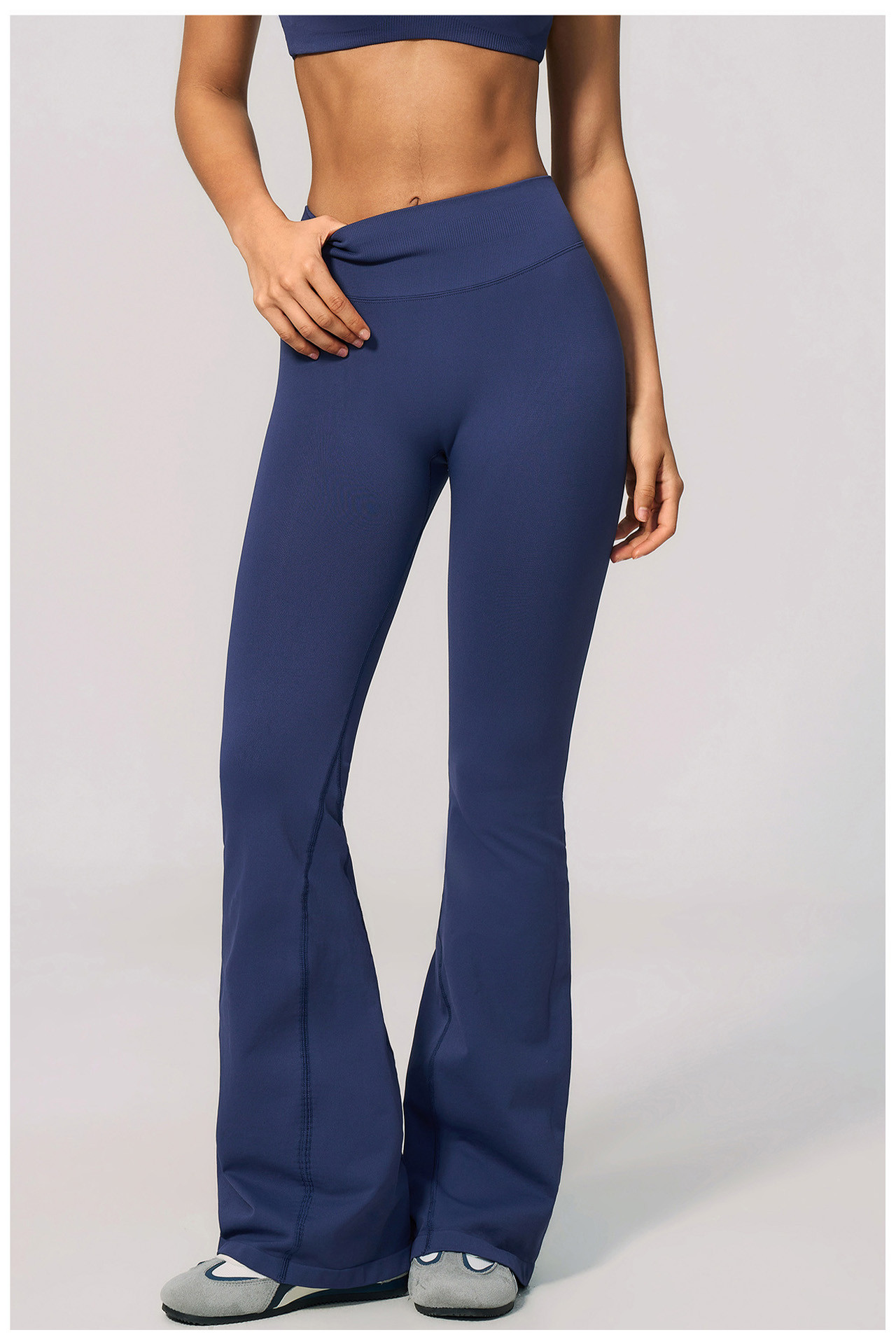
A typical project timeline would include:
- Tech Pack Submission & Review: ~1 week
- Fabric & Trim Sourcing: 2-4 weeks
- Proto & Fit Sampling: 2-3 weeks per revision
- PP Sample Approval: 1-2 weeks
- Bulk Production: 4-8 weeks (depending on quantity)
- Quality Control & Packing: 1 week
- Shipping: Varies by method (air vs. sea)
The manufacturer should provide regular, proactive updates as the project moves through these stages. Transparency about timelines, including any potential delays, is crucial for your own business planning and builds a foundation of trust. An unwillingness to provide a detailed schedule or communicate openly about progress is a sign of a disorganized and unreliable partner.
Strategic Evaluation: Maximizing Value and Mitigating Risks with a Reliable Custom Leggings Manufacturer
Choosing a manufacturing partner is a long-term strategic decision, not a short-term cost-saving exercise. The cheapest quote is rarely the best value. A thorough evaluation process focuses on total value, which encompasses quality, reliability, expertise, and compliance. It also involves proactively identifying potential risks and knowing which critical questions to ask to secure a healthy, long-term partnership.
Evaluating Total Manufacturing Value, Compliance, and Certifications from Your OEM Leggings Manufacturer
Focusing solely on the per-unit price is a common but costly mistake for apparel brands. The true cost of manufacturing includes factors like defect rates, shipping delays, and the time your team spends managing a difficult supplier. A strategic evaluation looks at the total value a manufacturer provides, which includes their commitment to ethical and quality standards, verified by compliance and certifications.
1. Moving Beyond the Lowest Price: The cheapest quote can often hide underlying problems. A low price may be the result of:
- Sub-standard fabrics that will pill or lose shape after a few washes.
- Poorly paid labor, leading to low morale and inconsistent workmanship.
- A lack of proper quality control systems, resulting in high defect rates.
- Inexperienced management, causing communication breakdowns and delays.
Instead, evaluate the Total Manufacturing Value. Consider what you're getting for the price. A slightly more expensive manufacturer might offer superior fabric, dedicated project management, and a robust QC process that ultimately saves you money by reducing returns, protecting your brand reputation, and freeing up your time. Calculate the "cost-per-wear" for your customer; a durable, well-made garment provides better long-term value than a cheap one that fails quickly.
2. The Importance of Compliance and Certifications: Certifications are not just logos on a website; they are proof that a manufacturer has been independently audited and meets global standards for ethical, social, and environmental practices. They are a critical tool for mitigating risk and ensuring you are partnering with a responsible organization.
Key certifications to look for include:
- OEKO-TEX® STANDARD 100: This is one of the most important certifications for textiles. It guarantees that every component of the garment—from the thread to the fabric and accessories—has been tested and found free of a long list of harmful substances. This is crucial for next-to-skin apparel like leggings, ensuring they are safe for your customers.
- BSCI (Business Social Compliance Initiative): This is not a certification but an auditing framework that verifies a factory's social compliance. A BSCI audit assesses working conditions, fair wages, working hours, and health and safety based on International Labour Organization (ILO) standards. It demonstrates a commitment to a humane and ethical workplace.
- WRAP (Worldwide Responsible Accredited Production): WRAP is a globally recognized independent certification program focused on ensuring ethical and lawful manufacturing. It certifies facilities for compliance with 12 core principles, covering areas like forced labor, child labor, harassment, compensation, and safety.
- ISO 9001: This certification relates to Quality Management Systems. An ISO 9001-certified factory has demonstrated its ability to consistently provide products and services that meet customer and regulatory requirements. It's a strong indicator of a well-organized and reliable operation.
3. The Value of Factory Audits: Certifications provide a baseline, but conducting or reviewing a recent factory audit gives you a more detailed snapshot of a potential partner's operations. An audit can be performed by your own team, a third-party service, or you can request to see a recent report from another reputable client. While audits are a "moment-in-time" assessment, they provide invaluable insights into the factory's real-world conditions and commitment to the standards they claim to uphold. A transparent and confident manufacturer will be open to this process. The investment in a professional Factory audit is minimal compared to the potential cost and brand damage of partnering with a non-compliant or unethical supplier.
By prioritizing total value and verifying compliance, you build a more resilient and responsible supply chain, ensuring your brand is built on a foundation of quality and integrity.
Identifying Warning Signs and Asking Critical Questions for a Long-Term Private Label Leggings Manufacturer Partnership
Due diligence is your best defense against a disastrous manufacturing experience. While many factories can produce a perfect sample, not all can maintain that quality during bulk production or act as a reliable long-term partner. Learning to spot the warning signs and asking the right questions can save you from costly mistakes, delays, and brand reputation damage.
Key Warning Signs (Red Flags):
Pay close attention to these red flags during your initial evaluation and communication:
- Poor Communication: Consistently slow response times, vague answers, or an unwillingness to clarify details. If they are poor communicators before they have your money, it will only get worse during production.
- Reluctance to Sample: A manufacturer who is hesitant to produce samples, charges exorbitant fees for them, or pressures you to go straight to bulk production is a major risk. Samples are a non-negotiable part of the process.
- Unrealistically Low Prices: If a quote seems too good to be true, it probably is. Extremely low prices often signal compromised material quality, unethical labor practices, or hidden fees that will appear later.
- Lack of Transparency: Hesitation to discuss their QC process, show you photos of their factory, or provide references. A trustworthy partner is proud of their operation and should be open.
- Inconsistent Information: If the information on their website, from the salesperson, and from the account manager doesn't align, it points to disorganization.
- No Specialization: If their portfolio is a random mix of products from electronics to formal wear with very little activewear, they likely lack the specific expertise needed for performance leggings.
Critical Questions to Ask a Potential Manufacturer:
Arm yourself with a list of targeted questions to vet potential partners thoroughly. A professional manufacturer will have clear and confident answers.
About Their Business & Experience:
- "What percentage of your production is dedicated to performance activewear like leggings?"
- "Can you provide references from other activewear brands you have worked with in my market?"
- "What is your typical production lead time for a custom leggings order of [your quantity] units after the PP sample is approved?"
- "Who will be my dedicated point of contact, and what is your standard response time for inquiries?"
About Technical Capabilities & Quality:
- "Can you walk me through your quality control process, from fabric inspection to final AQL inspection?"
- "What stitching techniques do you use for the main seams on performance leggings? Do you have 4-needle-6-thread flatlock machines?"
- "What is your process for ensuring consistency between the approved sample and the bulk order?"
- "How do you test for fabric qualities like opacity (squat-proof), colorfastness, and stretch recovery?"
About Logistics & Partnership:
- "What is your MOQ per style and color? Are there options for flexibility if we use your in-stock fabrics?"
- "Can you provide a detailed, itemized cost breakdown? What potential extra fees should we be aware of?"
- "Do you hold certifications like OEKO-TEX, BSCI, or WRAP? Can you provide the valid certificate numbers?"
- "How do you handle production mistakes or defective goods discovered after delivery?"
The goal of these questions is not to be confrontational but to gauge the manufacturer's professionalism, expertise, and transparency. Their answers will reveal whether they are simply an order taker or a true strategic partner committed to a long-term, successful relationship.
Key Takeaways
Choosing the right leggings manufacturer is a cornerstone of building a successful activewear brand. To help you navigate this critical decision, here are the most important takeaways from this guide:
- Define Your Vision with a Tech Pack: Before you contact any manufacturer, create a detailed tech pack. This document is your blueprint, specifying everything from fabric composition (GSM, blend) and stitching types (flatlock, overlock) to precise measurements and branding details. Clarity at this stage prevents costly misunderstandings later.
- Prioritize Specialization over Generalization: Partner with a manufacturer that specializes in activewear, not just general apparel. A specialist understands performance fabrics, athletic fit, and construction techniques like flatlock stitching, which are crucial for creating high-quality, durable leggings that won't chafe or become see-through.
- Evaluate Total Value, Not Just Unit Price: The cheapest manufacturer is rarely the best. Look at the total value, which includes fabric quality, communication responsiveness, reliability, and robust quality control systems. A slightly higher unit cost from a reliable partner can save you thousands in returns and brand damage.
- A Multi-Stage Sampling Process is Non-Negotiable: Insist on a thorough sampling process, including Proto, Fit, Pre-Production (PP), and Top of Production (TOP) samples. The PP sample is your "golden standard"—do not approve bulk production until it is 100% perfect. Rushing this stage is a recipe for disaster.
- Insist on a Robust Quality Control (QC) System: A great manufacturer has quality checkpoints at every stage: incoming raw materials, in-line during production, and a final random inspection using AQL (Acceptable Quality Limit) standards. Ask to see their QC checklist and understand their defect classification (Critical, Major, Minor).
- Verify Compliance and Certifications: Protect your brand and ensure ethical production by working with certified manufacturers. Key certifications like OEKO-TEX® STANDARD 100 (for textile safety), BSCI or WRAP (for social compliance), and ISO 9001 (for quality management systems) are strong indicators of a professional and responsible operation.
- Demand Transparent Communication: A reliable partnership is built on clear, consistent communication. You should have a dedicated account manager who provides regular updates and uses organized project management tools. Vague answers and slow response times are major red flags.
- Think Long-Term Partnership, Not Short-Term Transaction: Your goal is to find a collaborator who can grow with your brand. The right partner will offer insights, help you solve problems, and have the production capacity to scale with your success.
By using these key takeaways as a checklist, you can systematically evaluate potential manufacturers and build a strong, reliable supply chain that becomes a competitive advantage for your activewear brand.
Frequently Asked Questions (FAQ)
1. What is a realistic Minimum Order Quantity (MOQ) for a startup leggings brand?
For a startup, MOQs can be a major hurdle. A realistic MOQ depends heavily on the manufacturer and the level of customization.
- Low MOQ (50-200 pieces per style/color): This is typically offered by manufacturers that specialize in working with startups or when you use their in-stock fabrics and pre-developed styles ("private label" with customization). This is the best route for testing new designs with minimal financial risk.
- Standard MOQ (300-500 pieces per style/color): This is a more common range for fully custom (OEM) orders where you specify your own fabric, colors (requiring custom dyeing), and construction. Fabric mills often have minimum yardage requirements that drive this number.
- High MOQ (1000+ pieces): This is usually for large-scale factories that work with major retail brands.
Advice for Startups: Seek out manufacturers that explicitly advertise "low MOQ" or "startup-friendly" services. Be prepared to be more flexible, perhaps by using their existing fabric library in exchange for a lower order quantity.
2. How much should I budget for samples, and is it a red flag if they charge for them?
It is standard industry practice for manufacturers to charge for samples, so it is not a red flag. This cost covers the raw materials, pattern maker's time, and sewer's labor for a single, handmade unit, which is much more expensive to produce than a unit in a bulk run.
- Typical Cost: Sample costs can range from $50 to $200+ per piece, or 2-3 times the estimated bulk production price.
- Budgeting: For a single leggings style, you should budget for at least 2-3 rounds of sampling to perfect the fit and construction. So, if a sample costs $100, be prepared to spend $200-$300 on sampling for that one style.
- Refundable Samples: Some manufacturers will credit the sample cost back to you if you proceed with a bulk order. This is a great incentive but not always offered.
A red flag would be a manufacturer who refuses to make a sample before a bulk order or one who charges an outrageously high fee that seems designed to be prohibitive.
3. How do I protect my unique designs when working with a manufacturer?
Protecting your intellectual property (IP) is a valid concern. Here are several steps you can take:
- Work with Reputable Manufacturers: Established, certified manufacturers have a reputation to protect and are less likely to risk it by stealing designs.
- Sign an NDA (Non-Disclosure Agreement): Before sharing your detailed tech packs, have the manufacturer sign an NDA. This legally binds them from sharing your proprietary designs and information. It should be specific to your designs and outlines the consequences of a breach.
- Use an NNN Agreement (for China): If working with a Chinese manufacturer, consider an NNN (Non-Disclosure, Non-Use, Non-Circumvention) agreement. It is specifically designed for China's legal system and prevents the factory from using your design, producing it for themselves, or selling it to your competitors. It should be written in Chinese and be enforceable in Chinese courts.
- Register Your Trademarks: Protect your brand name and logo by registering them as trademarks in the countries where you plan to sell.
- Build a Strong Relationship: A long-term partnership based on mutual trust and respect is one of the best deterrents. A manufacturer who sees you as a valuable, long-term client is more invested in your success.
4. Should I choose a domestic or an overseas manufacturer?
This decision involves a trade-off between cost, speed, and communication.
Domestic Manufacturing (e.g., in the USA or Europe):
- Pros: Faster shipping times, easier communication (no language barrier, same time zone), easier to conduct factory visits and in-person QC, and often higher perceived quality and ethical standards.
- Cons: Significantly higher labor costs, which leads to a higher per-unit price. May have less access to a wide variety of specialized machinery or fabrics compared to major production hubs.
Overseas Manufacturing (e.g., in China, Vietnam, Portugal):
- Pros: Much lower labor and production costs, leading to better profit margins. Access to massive supply chains, advanced machinery, and a vast range of fabric options. Many have extensive experience in high-volume activewear production.
- Cons: Longer shipping times (and potential for delays), potential language and cultural barriers, more difficult and expensive to conduct in-person visits, and a greater need for due diligence regarding ethical standards and compliance.
For most brands, especially those just starting, using a well-vetted overseas manufacturer often provides the best balance of cost and capability, provided you invest time in communication and quality control. Exploring a platform like Aolafree can connect you with pre-vetted overseas partners who specialize in activewear. You can also explore their Collections to see the types of products they are capable of making.
Conclusion
Choosing the right leggings manufacturer is arguably the most crucial decision for the long-term success and scalability of your activewear brand. The selection process transcends a mere transaction to become the foundation of a strategic partnership. This partner’s capabilities will directly influence your product's quality, your brand's reputation, and your ability to grow.
I advocate for selecting a long-term collaborator, not just a supplier. A truly reliable partner will not only produce your leggings but also contribute to product improvement, proactively resolve manufacturing challenges, and support the scalable growth of your unique designs. They become an extension of your team, invested in your success because it is intertwined with their own. This collaborative mindset is the difference between a brand that struggles with production issues and one that confidently brings innovative products to market.
By meticulously evaluating the factors discussed in this guide—from technical expertise and quality control to communication and ethical compliance—you can confidently select a custom leggings manufacturer that embodies quality, innovation, and reliability. This diligence ensures your brand's future prosperity and allows you to focus on what you do best: building a brand that inspires. If you are ready to take the next step and find a partner who can bring your vision to life, we encourage you to Start Your Project with a team that understands the journey.