
How to Design Commuter-Friendly Activewear: Fit, Fabric & Color Guide for Brands
Are you building a commuter activewear line and wondering how to balance office polish, all-day comfort and athletic performance? This guide breaks down the core design rules of commute-ready activewear: fit engineering, high-performance fabrics, commercial color strategy and upcoming industry trends. As AOLAFREE China activewear manufacturer, we share actionable design frameworks you can apply directly to your collection.
The boundary between athletic apparel and everyday wardrobe continues to blur. Today’s shoppers want versatile, comfortable, stylish pieces that transition seamlessly from home to commute, office and evening plans. Below we walk through every critical design element for commuter activewear, with real production insights from AOLAFREE activewear supplier.
Mastering Fit for the Modern Commuter: Designing Effective commuter activewear
The perfect fit is the foundation of any successful activewear piece, especially for the modern commuter. It’s no longer enough for clothing to simply look good on a hanger; it must support a dynamic lifestyle that includes walking, cycling, sitting for long periods, and navigating crowded public transport. Garments designed only for gym workouts often fail the all-day test. Effective commuter activewear requires a careful balance of ergonomic design, freedom of movement, and a polished aesthetic that works for professional settings.
Balancing Comfort and Mobility for Your Daily Commute Wear
The primary challenge in designing daily commute wear is achieving a perfect equilibrium between comfort and mobility. Clothing that is too tight or restrictive can cause discomfort and fatigue, especially during long commutes. Conversely, pieces that are too loose can feel sloppy and unprofessional. The key lies in pattern cut and construction details.
An ergonomic fit that follows the body’s natural lines without constricting movement is crucial. This means focusing on details like:
- Articulated Knees and Elbows: Pre-shaping these high-movement areas in pants and jackets prevents fabric from bunching and restricting motion.
- Gusseted Crotches: A diamond-shaped fabric panel sewn into leggings or trousers enables wider movement range, ideal for cycling or stair climbing.
- Wide, High-Rise Waistbands: A wide, supportive waistband stays in place without digging into skin, creating a clean silhouette under layers.
- Stretch and Recovery: Fit must work hand-in-hand with fabric. Even the best pattern fails if the material lacks reliable stretch and shape retention.
Ultimately, wearers should feel the garment moves with them, not against them. Over-tight styles trigger muscle tension, while well-engineered commuter activewear keeps wearers relaxed and balanced through busy schedules.
Strategic Silhouettes and Layering: An AOLAFREE China Activewear Manufacturer Approach
Strategic silhouettes bridge gym wear and office wear. Our target is to develop styles polished enough for work, yet comfortable enough for commuting. Brands partnering with AOLAFREE activewear supplier can hit this goal with versatile, layer-friendly patterns.
Core Silhouettes for Commuter Activewear:
| Piece | Key Design Features | Styling for a Professional Look |
|---|---|---|
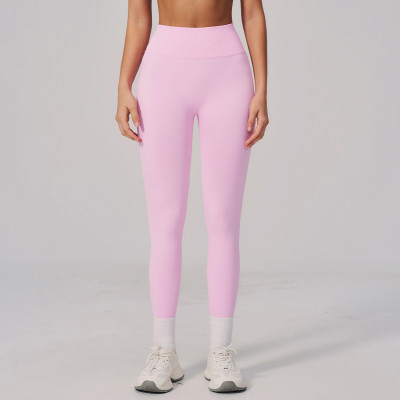
| The Polished Legging | Matte finish, minimal seams, side phone pockets, high-waist. | Pair with a longline coat, structured cardigan, or oversized button-down shirt. |
| Wide-Leg or Straight-Leg Studio Pants | Tailored drape like formal trousers, crafted from stretch knit. | Match with fitted knit tops + loafers or clean sneakers. Reads as workwear instead of gym apparel. |
| The Tailored Jogger | Tapered leg, clean front panel, non-bulky drawstring, premium technical fabric. | Layer under blazers with simple base layers for smart business-casual styling. |
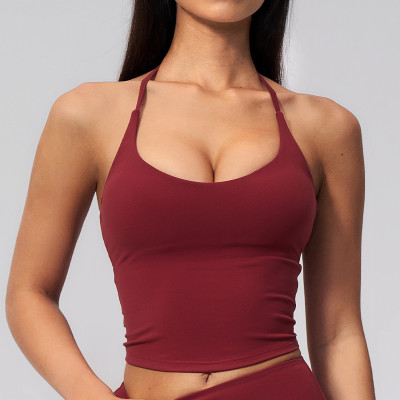
| Fitted Base Layers | Longline sports bras, seamless tanks, mock-neck tops. | Create a slim, low-bulk foundation under blazers, cardigans and jackets. |
| Versatile Outerwear | Trench coats, cropped jackets, structured zip-up hoodies. | The right outerwear turns basic activewear into a city-ready complete outfit. |
Layering solves temperature shifts between outdoor transit, public transport and air-conditioned offices. A practical layering system includes a smooth moisture-wicking base, lightweight insulating mid-layer and protective outer shell. As your China activewear manufacturer, we develop coordinated sets that work together as a full wardrobe solution.

Embracing Size Inclusivity in Activewear Manufacturing
True functionality serves every body shape. Size inclusivity is no longer optional; it is a core pillar for ethical, modern activewear brands working with an AOLAFREE China activewear manufacturer. Extended size ranges build brand trust and lift purchase intent, even among shoppers who do not shop plus sizes.
Genuine inclusivity means more than simply adding bigger sizes. It requires rethinking pattern grading entirely. Human bodies do not scale proportionally: a 3XL fit needs different proportions from an XS. Instead of scaling up a small-size pattern mathematically, our design team focuses on:
- Dynamic Grading: Adjust rise, inseam, waistband height and compression level per size grade.
- Multi-Size Fitting Tests: Sample testing across the full size range to fix waist roll-down, sheerness and chafing issues during movement.
- Inclusive Full Collection: Extend inclusive sizing across leggings, sports tops and layers, not only basic staple items.
Inclusive design expands your market and delivers a strong brand message of acceptance. It builds loyal communities and aligns your label with modern social equity values, a key advantage when you cooperate with an experienced activewear supplier.
The Science of Material: Fabric Innovation for Advanced Commuter Activewear
Premium fabrics give commuter activewear its performance edge. Fabrics need to keep wearers dry, neat and comfortable from morning rush hour to evening plans. Fabric innovation has moved beyond basic stretch into advanced technical textiles built for commuter lifestyles. For forward-thinking brands, prioritizing performance fabrics is non-negotiable.
Pioneering Performance: Moisture-Wicking and Antimicrobial Technologies from AOLAFREE
Sweat management is the top priority for active commuters. A brisk walk or bike ride to the office should not leave customers damp and uncomfortable. Moisture-wicking fabric solves this pain point.
How it works: Unlike absorbent cotton, moisture-wicking textiles use capillary action to lift sweat off skin and transfer it to the outer fabric surface for fast evaporation. This stabilizes body temperature and keeps wearers dry.
Moisture control is only half the solution. Sweat itself is odorless; odor comes from bacteria feeding on sweat residues. That is where antimicrobial treatment adds value.
- Antimicrobial Finishes: Fabrics treated with silver-ion or certified odor-control agents suppress odor-causing bacteria.
- Natural Fiber Properties: Fibers such as bamboo and specially treated yarns carry inherent natural antimicrobial benefits.
By combining moisture-wicking and antimicrobial functions, AOLAFREE activewear supplier develops daily commute wear that stays fresh all day. This improves hygiene, boosts comfort and extends garment service life by cutting frequent washing cycles.
The Dynamic Duo: Compression and Four-Way Stretch for Daily Commute Wear
Mobility and gentle support are essential for commuter apparel. The mix of compression and four-way stretch creates second-skin fit with functional benefits.
Four-Way Stretch: This fabric stretches and recovers along both warp and weft grain, unlike limited two-way stretch material. It unlocks unrestricted movement for cycling, running for transit and long seated hours. High-grade four-way stretch retains shape well, avoiding sagging waistbands and baggy knees.
Compression: Compression fabric delivers steady, gentle muscle pressure. While widely used for athletic recovery, light-to-medium compression brings clear perks for commuters:
- Reduces Muscle Fatigue: Muscle stabilization lessens tiredness after long days of moving around.
- Boosts Circulation: Soft compression supports blood flow during prolonged sitting or standing.
- Smooth, Streamlined Silhouette: Controlled compression creates a sculpted base ideal for layering.
The ideal daily commute fabric blends 15–25% spandex with durable nylon or polyester to balance four-way stretch and light compression. The finished garment supports the body, adapts to all movement and maintains a neat, office-friendly look.
Sustainable Fabrics: A Core Principle for Activewear Manufacturer Brands
Sustainability is no longer a marketing trend — it is a baseline buyer requirement. Consumers research environmental impact before purchase and actively seek brands matching their eco-values. For AOLAFREE China activewear manufacturer, sustainable material integration protects brand reputation and supports long-term growth.
Key Sustainable Fabric Options:
- Recycled Polyester (rPET): Made from post-consumer plastic bottles. rPET cuts virgin petroleum consumption and diverts waste from landfills, with reliable durability and wicking performance.
- Recycled Nylon (e.g., ECONYL®): Regenerated from fishing nets, fabric scraps and industrial plastic. It matches virgin nylon performance with a far lower carbon footprint.
- Plant-Based Fibers: Tencel™ Lyocell (eucalyptus), bamboo and GOTS organic cotton offer soft handfeel and breathability. Responsibly sourced plant fibers biodegrade easier and save water and pesticide use vs conventional cotton.
Sustainability also covers ethical production, low-impact dyeing and durable design for longer product lifespans. When you partner with a responsible activewear supplier, sustainable storytelling becomes a strong selling point for conscious shoppers.
A Palette for Purpose: Color Strategies for Impactful Commuter Activewear
Color shapes perception, mood and brand identity. For commuter activewear, your color palette must balance modern aesthetics, practical wearability and brand narrative. A well-planned palette turns functional sportswear into versatile wardrobe staples suitable for office, transit and workout sessions.
Trending Hues: Soft Neutrals and Sport Pastels for Modern Aesthetics
Commuter activewear color schemes have moved past basic all-black collections. Core neutrals remain essential, yet today’s buyers prefer softer, more nuanced tones.
- Sophisticated Neutrals: Beyond black and navy: slate grey, deep olive, warm brown, taupe and beige build a high-end, mix-and-match wardrobe foundation that works in professional spaces.
- Dusty Muted Tones: Dusty blue, sage green and muted rose create a calm contemporary look. They add subtle color without being loud.
- Sport Pastels: Desaturated soft pastels offer a fresh alternative to neon primary shades, adding personality while pairing easily with neutral basics.
A curated, limited palette lets customers mix-and-match freely and simplifies their daily outfit decisions.
Crafting Brand Identity and Visual Appeal in Daily Commute Wear
Color is a cornerstone of brand identity. A consistent palette helps your brand stand out in a crowded market. For brands working with AOLAFREE China activewear manufacturer, color communicates sophistication, versatility and innovation.
Strategies for Building a Brand Palette:
- Establish Core Colors: Pick 3–4 timeless neutrals (black, navy, charcoal, beige) as your permanent collection backbone for broad market appeal.
- Introduce Seasonal Accent Colors: Launch 2–3 trend-forward hues per season to refresh the range and encourage repeat purchases.
- Strategic Color Blocking: Thoughtful blocking creates visual interest and flattering fit; darker side panels can deliver a slimming visual effect.
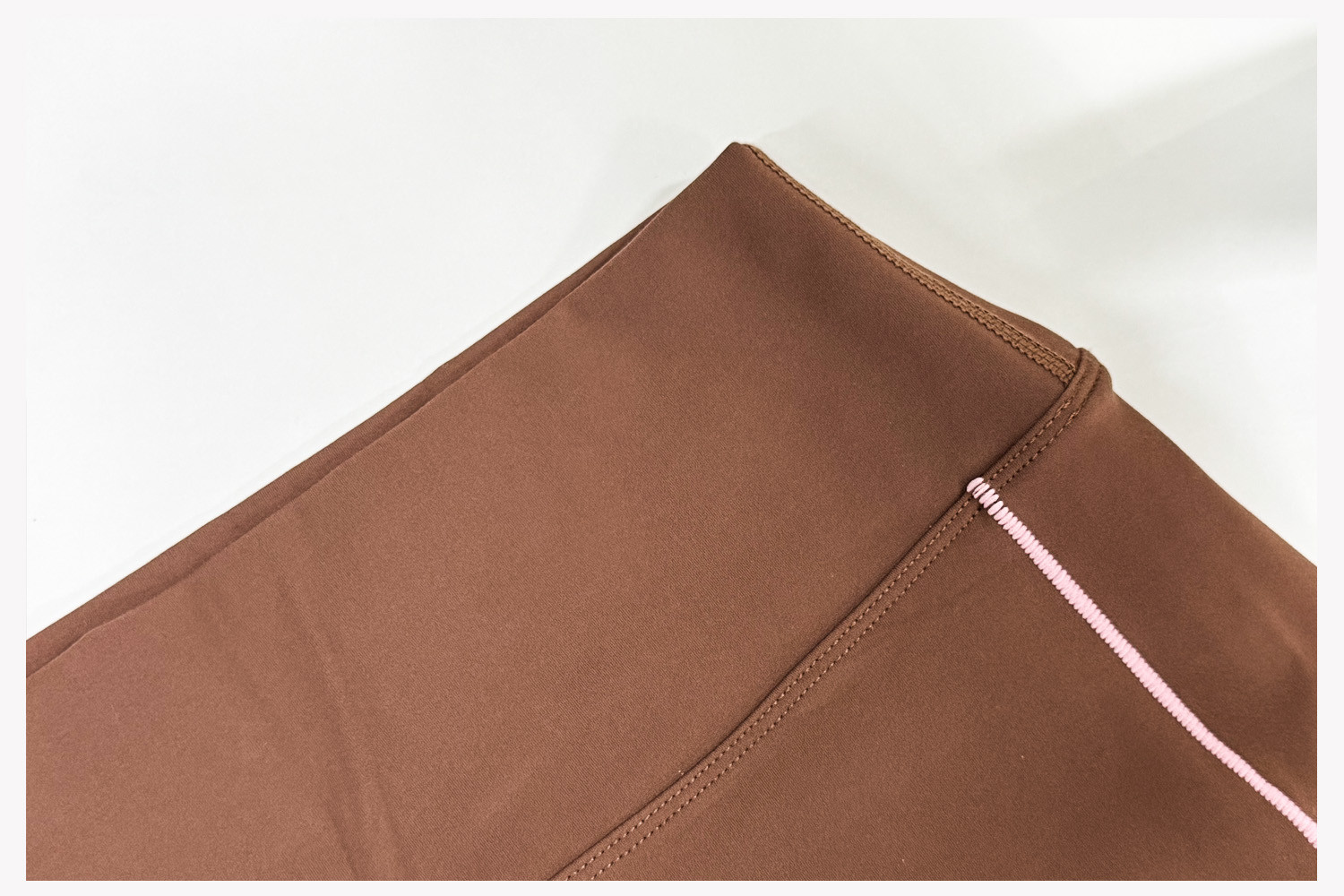
- Fabric Finish Priority: Matte fabric reads premium and low-key; shiny gloss finishes are better reserved for gym-only lines. Matte is preferred for commute styles.
This balanced color roadmap keeps your collection commercially viable and visually cohesive, building memorable brand recognition over seasons.
Practical Color Choices for Durable Activewear Manufacturer Products
Apart from aesthetics, practicality determines customer satisfaction and product lifespan — critical for every reputable activewear supplier.
- Colorfastness: Strict wash and light fastness testing is mandatory. Commuter apparel is exposed to outdoor elements and frequent laundering; premium dyes prevent fading and bleeding.
- Stain & Dirt Tolerance: Light shades look stylish but show dirt easily on public transit or bike commutes. Mid-tone and dark colors work better for bottoms and outer layers. Stain-repellent fabric finishes add great value.
- Pilling Resistance: Pilling quickly makes garments look worn out, and pilling shows up more obviously on solid colors. Choosing high-quality anti-pilling fabric protects your brand quality impression.
Mixing trend colors with practical durability requirements ensures your pieces look great at purchase and keep performing well long-term.
Beyond Today: Future Trends Shaping Commuter Activewear Design
Commuter activewear evolution is still accelerating. Blurred work-life boundaries and integrated wearable tech push apparel to adapt. Forward-looking brands need to forecast these shifts to stay competitive, building clothing that supports holistic wellness lifestyles.
Integrating Performance-Infused Workwear into Your Line
The line separating workwear and activewear keeps fading. Hybrid work fuels demand for garments that carry activewear comfort + technical performance with tailored professional appearance. This is not ordinary athleisure; it is performance-infused workwear.
Key Developments to Watch:
- Technical Trousers & Blazers: Stretch, wrinkle-resistant, breathable tailored blazers; chino-style work trousers with hidden moisture-wicking properties.
- Performance Knits: Temperature-regulating, odor-resistant knit blazers and dresses suitable for full-day meetings and commuting.
- Commuter-First Features: Reflective details for low-light safety, reinforced seat panels for cycling, durable dirt-repellent outer shells.
Brands that successfully combine boardroom polish and sportswear performance will win loyalty from modern professionals. This requires designers to think both like tailors and sportswear engineers, which our team at AOLAFREE activewear supplier supports through custom development.

The Rise of Tech-Enhanced Functionality for the Daily Commute
Wearable technology is moving off wrists and into fabric itself. Smart textiles turn passive garments into wellness-focused functional tools.
Innovations on the Horizon:
- Biometric Monitoring: Fabrics tracking heart rate, stress level and posture for real-time wellness feedback.
- Adaptive Temperature-Regulating Textiles: Fabrics that react to ambient and body temperature, perfect for commuters moving between cold transit and heated offices.
- Built-In Charging & Connectivity: Integrated wireless charging pockets and fabric compatible with smart device ecosystems.
- EMF Shielding Fabrics: Materials offering electromagnetic shielding for shoppers focused on digital wellness.
Some of these innovations are still emerging, yet the direction is clear: commute wear is getting intelligent. AOLAFREE China activewear manufacturer stays connected with textile tech partners to test and launch next-gen functional styles for our brand clients.
Sustainability as a Default: What Every Activewear Manufacturer Must Consider
Sustainability is shifting from premium add-on to baseline expectation. Buyers, especially younger demographics, demand full supply chain transparency and environmental accountability. Brands ignoring sustainability will fall behind.
The New Standard for Sustainability:
- Circular Economy Models: Move past recycled fabric only, toward full circular design: durable construction, garment repair programs, take-back recycling schemes.
- Biodegradable High-Performance Fibers: Alongside recycled synthetics, biodegradable performance textiles reduce landfill waste at end-of-life.
- Full Radical Transparency: Clear disclosure of raw material sourcing and factory labor conditions. Certifications such as GOTS and Fair Trade grow more critical for trust building.
For any China activewear manufacturer, embedding sustainability into your business model is both ethical and commercially essential for long-term growth.
Key Takeaways
To win in the competitive commuter activewear market, brands need a holistic design mindset focused on versatility, performance and modern consumer values. Here are our core takeaways:
-
Fit is Foundational: Start design around real commuter pain points, not generic gym patterns. Ergonomic silhouettes, non-digging wide waistbands, articulated joints and gussets are mandatory for all-day comfort. Dynamic grading and multi-body fitting for inclusive sizing help you build trusted brand credibility, with support from your China activewear manufacturer partner.
-
Fabric is the Engine of Performance: Advanced technical fabrics define your product value. Moisture-wicking and antimicrobial finishes keep wearers fresh all day. Four-way stretch paired with light-to-medium compression delivers second-skin mobility and a neat layered silhouette.
-
Color Must Be Purposeful: Build your collection around sophisticated, transferable tones: soft neutrals, earth hues and muted pastels. Matte fabric finishes look premium and office-ready. Color fastness and anti-pilling properties protect long-term product quality.
-
Sustainability and Innovation are the Future: Merge performance features into tailored workwear silhouettes, explore smart textile functions, and adopt circular design. Recycled raw materials, take-back programs and supply chain transparency are now baseline standards for responsible activewear brands.
Master these four pillars — fit, fabric, color and forward-looking innovation — and your commuter activewear line will not only match your customer’s busy lifestyle, but elevate it.
Frequently Asked Questions (FAQ)
1. What are the most important fabric technologies for commuter activewear?
The three most critical fabric technologies are moisture-wicking, antimicrobial, and four-way stretch. Moisture-wicking pulls sweat away from skin for post-walk or bike-to-office comfort. Antimicrobial treatment stops odor bacteria, extending wear time and cutting wash frequency. Four-way stretch guarantees unrestricted movement and shape retention, avoiding sagging waistbands and baggy knees. Wrinkle-resistant finish is a valuable bonus to maintain a polished look.
2. How can I make activewear pieces look professional enough for an office setting?
The key lies in silhouette, fabric finish and styling.
- Silhouette: Choose activewear patterns inspired by traditional workwear. Wide-leg stretch knit trousers or clean tapered joggers perform better for office scenes than ultra-tight leggings.
- Fabric Finish: Matte fabric appears more refined and less gym-focused than shiny, glossy material.
- Styling: Layering is your strongest tool. Add structured blazers, long trench coats or elegant cardigans over fitted active base layers; swap sneakers for loafers or flats to lift the whole look.
3. What is "dynamic grading," and why is it important for size inclusivity?
Dynamic grading is an advanced pattern-making method for multi-size apparel. Basic proportional grading simply scales an XS pattern mathematically upward, which fails because bodies do not scale evenly. Dynamic grading adjusts rise, inseam, waist height and compression per individual size grade, plus fitting on diverse body models. It prevents waistband gap, roll-down and uneven compression, and it is the core of inclusive activewear development with your activewear supplier.
4. How do I balance offering trendy colors with creating a timeless collection?
Use a tiered palette strategy:
- Tier 1: Core Neutrals. 3–5 permanent timeless shades (black, navy, charcoal, beige, olive) for best-selling styles, supporting mix-and-match wardrobes year-round.
- Tier 2: Seasonal Accents. Launch 2–4 trend colors each season for freshness. This lets you follow trends without risking your whole inventory looking outdated quickly.
5. As a brand, what is the first step toward becoming more sustainable?
The highest-impact starting point is switching core fabrics to certified recycled alternatives: rPET from plastic bottles and ECONYL® recycled nylon from fishing net waste. This cuts carbon emissions, water consumption and fossil fuel reliance. Always work with a verified China activewear manufacturer that provides valid fabric certifications, so you can share this eco story clearly with your buyers.
Conclusion
Designing successful commuter activewear starts with understanding that modern buyers prioritize quality, sustainability, inclusive fit and practical design supporting busy daily schedules. With innovative fabrics, adaptable patterns and intentional color palettes, AOLAFREE activewear supplier helps global brands meet fast-growing daily commute wear market demand. The future of AOLAFREE China activewear manufacturer is not just pure athletic performance — it is integration, sustainability and multi-scenario versatility. Our goal as designers and manufacturers is crafting apparel that moves naturally with the body and adapts to real life, stylishly and responsibly. Reach out to our team to discuss custom commuter activewear development, fabric sampling and private label cooperation.