
How to Improve Activewear Fit, Fabric Quality and Durability
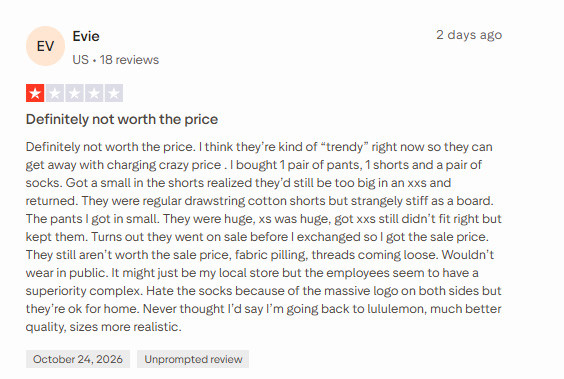
A recent customer review highlights several frustrating product issues: the reviewer experienced poor fit across multiple sizes, from S down to XXS, in both shorts and pants; cotton shorts that felt unusually stiff; and pants with fabric pilling and loose threads. For DTC activewear brands, these complaints highlight three important product development risks: inconsistent fit across sizes, fabric that feels different from what customers expect, and garments that show signs of wear too quickly. A size label alone does not guarantee a suitable fit, just as a fabric specification does not guarantee the expected hand feel or durability. As a China-based activewear OEM & ODM manufacturer, AOLAFREE helps brand partners address these issues through garment measurement confirmation, fabric selection and sample review before bulk production. Explore our OEM & ODM service or Send us your spec sheet for quotation to help reduce these product-related customer complaints.
Resolve Poor Fit Across Sizes: Pattern & Grading Best Practices
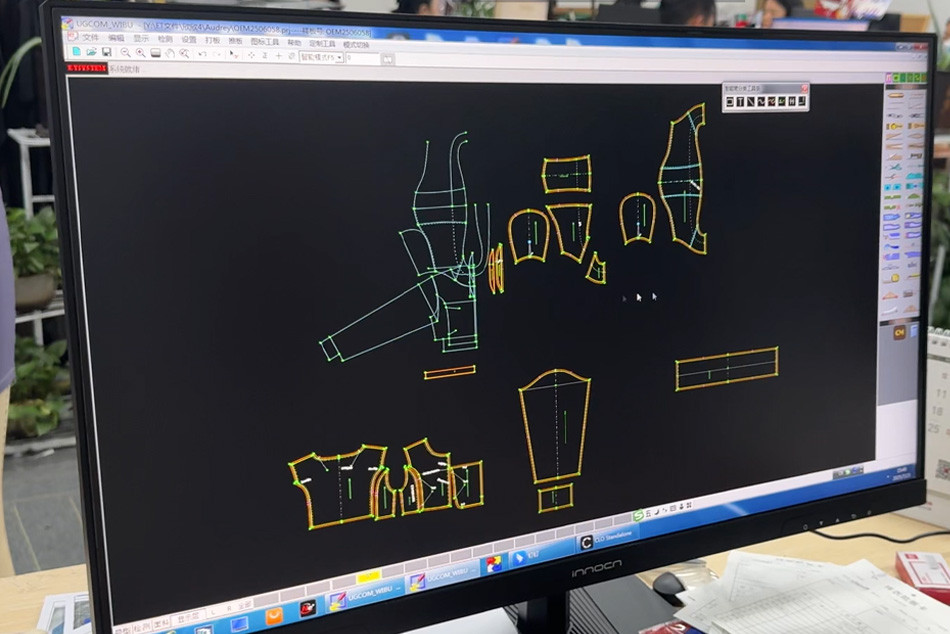
When customers try several sizes and still cannot achieve a proper fit, the root issue often lies in the base pattern definition or how sizing scales up and down, rather than simple production tolerance drift. We follow three practical steps to align fit with your brand’s vision.
- Establish a Base Size and Fit Reference: Before grading a style, we confirm the target base size and review key garment measurements, including waist width, hip width, front and back rise, thigh circumference and inseam. We also need to understand the intended fit, such as fitted, relaxed or oversized. Before pattern development, we also clarify whether the measurements in your size chart refer to body measurements or finished garment measurements. This distinction is important because wearing ease and fabric stretch need to be considered differently when translating body measurements into garment specifications. This gives the pattern maker a clear reference before developing the remaining size range.
- Adjust Grading by Garment Type and Fabric: Different garments require different grading considerations. For leggings, we pay attention to waist, hip, thigh and rise measurements in relation to the fabric's stretch. For cotton shorts or relaxed-fit joggers, the pattern needs to account for wearing ease rather than relying on the same negative-ease approach used for compression garments. This helps maintain the intended fit as sizes change.
- Review Key Sizes When Needed: For projects where fit consistency across the size range is a priority, we can review samples at selected size points in addition to the base size. Comparing garment measurements and fit proportions helps identify whether grading adjustments are needed in areas such as the waist, hip, thigh or rise. Any agreed measurement tolerances should also be documented in the size specification sheet for bulk production reference.
Manage Fabric Hand Feel, Pilling Risk and Stitching Durability
Fabric stiffness, pilling and loose threads are separate challenges, each requiring different checks and decisions during development. These details heavily shape customer satisfaction and review outcomes.
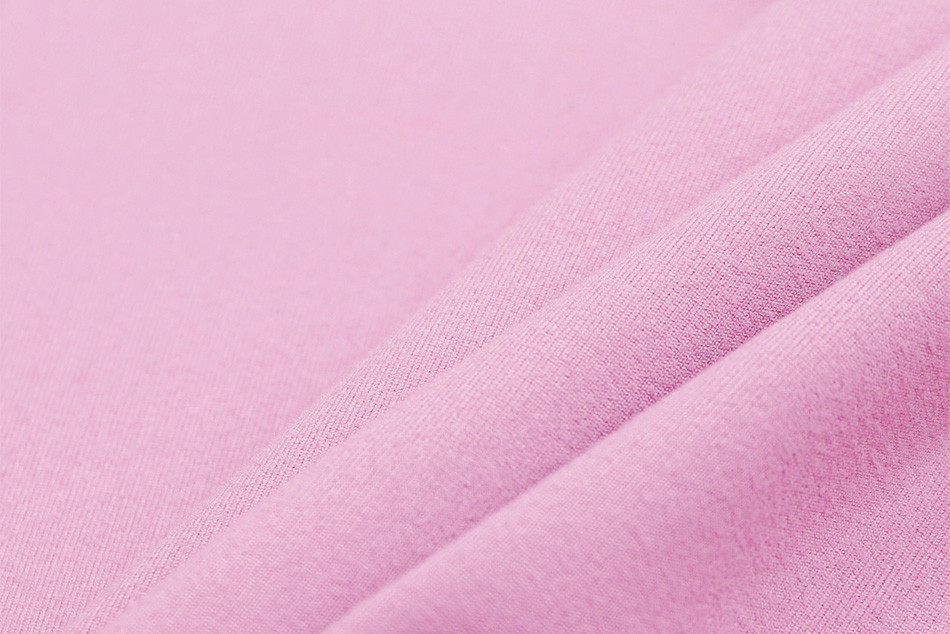
- Confirm Fabric Hand Feel Before Bulk Production: Fabric composition and GSM alone do not fully determine how a garment feels. Fabric structure, finishing treatments and softness also affect the final hand feel. For cotton shorts and casual joggers, we can compare available fabric swatches against your reference sample, target GSM, composition and hand feel requirements. Where necessary, different fabric finishing options can also be reviewed before bulk fabric confirmation. This helps avoid selecting a fabric that meets the basic specification but feels too stiff for the intended product.
- Consider Pilling Resistance During Fabric Selection: For leggings, joggers and other frequently worn bottoms, fabric selection should consider fiber composition, yarn construction, fabric surface and expected friction during wear. If pilling resistance is a key requirement, we can align the required performance criteria with your product specifications and discuss appropriate fabric testing options before bulk production. Visual and hand-feel checks alone cannot confirm pilling resistance.
- Check Stitching and Seam Finishing: Loose threads may result from incomplete thread trimming or poor seam finishing, while skipped stitches and weak seam construction can affect garment durability. During production inspection, we pay attention to stitch consistency, seam alignment, thread trimming and the finishing of stress points such as waistbands, pocket openings and crotch seams. These checks help identify visible workmanship issues before finished garments are packed.
Quick Reference: Customer Complaints, Inspection Focus & AOLAFREE's Practical Response
| Consumer Complaint | What Needs to Be Checked | AOLAFREE's Practical Response |
|---|---|---|
| Multiple sizes still fit poorly | Base size measurements, garment ease, grading increments and fit proportions | Base size confirmation, pattern adjustment and selected-size review |
| Cotton shorts feel too stiff | Fabric composition, GSM, construction and finishing | Fabric swatch comparison and hand feel confirmation |
| Pants develop pilling easily | Fiber composition, yarn structure, fabric surface and pilling resistance requirements | Fabric selection and agreed performance criteria |
| Loose threads and poor seam finishing | Stitch consistency, seam construction and finishing | Stitching inspection, thread trimming and stress-point checks |
Sample Approval: Lock In Fit, Fabric and Construction Before Bulk
During sample development, your team can review garment measurements, fit proportions, fabric hand feel, stitching details and overall construction. If any issue is identified, such as excessive looseness, stiff fabric or uneven seam finishing, the pattern, fabric selection or construction can be adjusted before bulk production. Any fabric changes after sample approval should be reviewed and confirmed with your team before bulk production, as differences in composition, GSM, construction or finishing can affect the final garment's hand feel and fit. Once approved, the pre-production sample and confirmed specifications serve as references for bulk production.
Build Reliable Activewear Collections With AOLAFREE, Your China Activewear Supplier
For activewear brands, fit, fabric hand feel and garment durability should be addressed before bulk production, not after customers begin reporting problems.
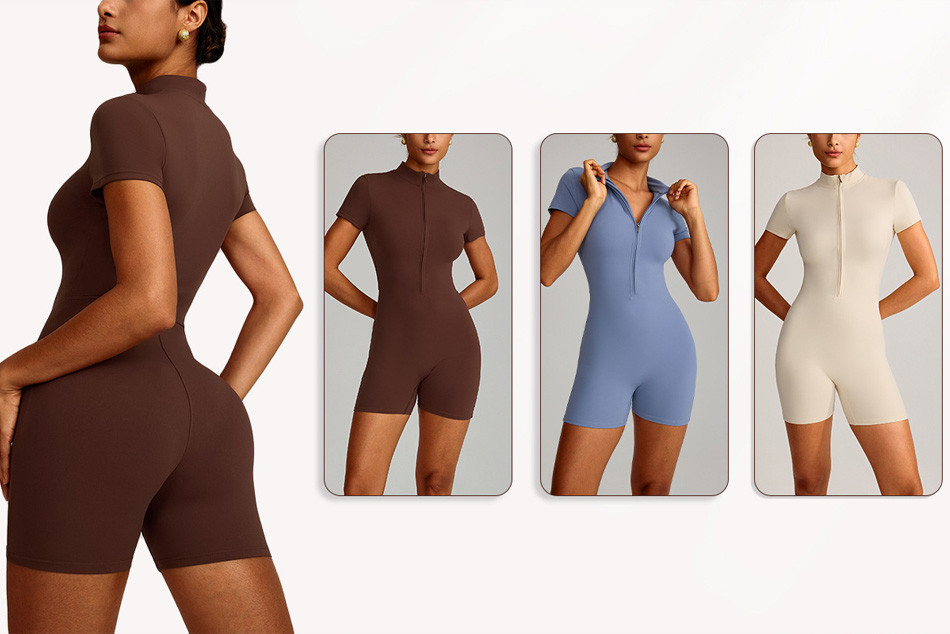
Whether you are developing cotton shorts, joggers or performance yoga bottoms, AOLAFREE can work from your tech pack, reference samples or target fit requirements to review garment measurements, adjust patterns, compare fabric options and refine construction details.
By aligning the size specifications, fabric selection and approved pre-production sample before bulk manufacturing, your team has a clearer reference for product quality and consistency.
Share your tech pack or reference sample with AOLAFREE to discuss your next activewear development project.