
Private Label vs OEM Activewear Manufacturing: Which Model Is Right for Your Brand?
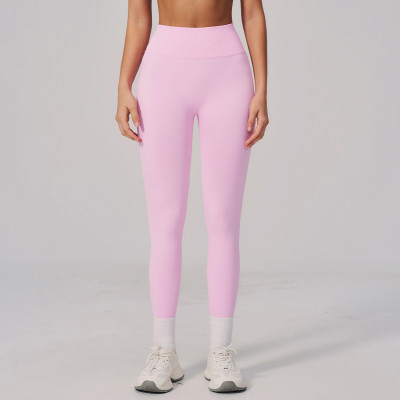
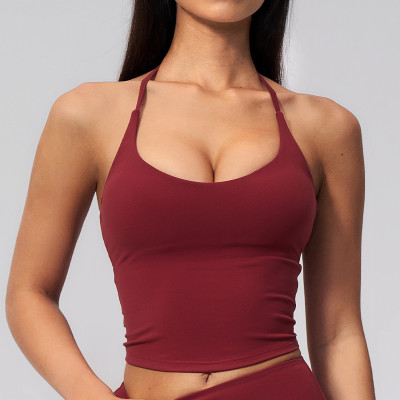
When scaling your activewear brand, choosing the right manufacturing partner is one of the most consequential decisions you will make. Two dominant models — Private Label and OEM (Original Equipment Manufacturing) — serve the sportswear industry, yet they operate on fundamentally different principles. Understanding their distinctions, advantages, and trade-offs is essential before committing your resources. Private label manufacturing means you select ready-made activewear designs from a supplier and add your own branding. The factory handles the entire production process — fabric sourcing, pattern making, and construction — while you focus on marketing, packaging, and brand identity. This model works exceptionally well for brands entering the market quickly, testing new product lines, or operating with limited capital. Since the supplier already has proven designs and established production lines, your time-to-market drops dramatically. Most private label activewear factories offer a catalog of pre-validated silhouettes spanning leggings, sports bras, shorts, tank tops, and jackets. OEM manufacturing, by contrast, is a fully custom production model. You provide your own specifications — fabric blends, seam construction, paneling details, compression levels, zipper placement, and sizing charts — and the factory brings your unique design to life. Every garment is built to your exact requirements. This model is ideal for established brands with a clear product vision, patented fabric technologies, or specific performance requirements that off-the-shelf designs cannot satisfy. OEM partners like those listed on our products page can accommodate complex technical constructions. Both models serve distinct strategic needs. A clear understanding of the differences helps you match the model to your brand maturity, budget, and long-term goals. Private label wins decisively in speed. With pre-existing production lines and validated patterns, you can launch products in as little as four weeks. OEM, with its sampling and tooling phases, typically takes 12 to 20 weeks from initial design to first shipment. For seasonal activewear collections, this gap can determine whether you capture the peak selling window. Private label MOQs can be as low as 200 pieces per style, making them accessible to emerging brands. OEM minimums often start at 1,000 units per SKU, with additional costs for mold creation, pattern grading, and multiple sample iterations. The total upfront investment for an OEM program can easily reach five figures before the first production run. OEM delivers true exclusivity. Your design belongs to you, and no other brand can sell the same garment. Private label designs may be sold to multiple brands by the same manufacturer, making differentiation harder unless you invest in custom fabric colors, trims, or packaging. Newer brands with limited budgets should begin with private label. It allows market testing, brand building, and revenue generation without heavy upfront costs. Once you understand your customer and have volume to justify custom tooling, transitioning to OEM becomes a natural growth step. Established brands with design capacity and a clear product vision should move toward OEM. The investment is higher, but the return — real product differentiation, stronger brand equity, and better margins — justifies the commitment. Many successful activewear brands use a hybrid approach. If you cannot commit to 1,000 plus units per SKU, private label is your only realistic starting point. Do you have technical design specs and fabric expertise? If not, begin with private label catalog selections. Factor in sampling costs, pattern grading, mold creation, and pre-production samples for any OEM program. Neither model is inherently superior. Private label offers speed and low risk; OEM offers control and differentiation. The smartest approach is often a hybrid strategy: use private label for baseline product lines such as basic leggings and tops, and OEM for your hero products that define your brand identity. If you are ready to explore your activewear manufacturing options, browse our product catalog or learn more about our company. You can also reach out to our team to discuss your specific project requirements.
What Is Private Label Manufacturing?
What Is OEM Manufacturing?
Key Advantages of the OEM Model
Head-to-Head Comparison
Speed to Market
Investment and Minimum Order Quantities
Brand Exclusivity
Which Model Suits Your Brand Stage?
Decision Framework
Assess Your Volume
Evaluate Design Capability
Calculate Your Budget
Making the Right Choice for Your Brand