
Recycled Polyester vs Virgin Polyester for Activewear: How to Choose?
For activewear brand product developers and sourcing teams, polyester is the backbone of yoga leggings, sports bras, gym tops and athleisure lines. Yet one critical question keeps surfacing: Does recycled polyester offer the same performance as virgin polyester? And when should activewear brands choose one over the other? This practical, fact-based guide from AOLAFREE, a professional China activewear manufacturer and supplier, breaks down real-world tradeoffs beyond oversimplified “recycled = eco, virgin = cheap” marketing talking points. Send us your fabric requirement inquiry to get tailored material suggestions for your collection.
1. Introduction — Why Polyester Sourcing Matters for Activewear Brands
Polyester dominates activewear for proven practical reasons: excellent dimensional stability, long-lasting durability, and low-maintenance care requirements. Tuned yarn types, knit structures and specialized finishing treatments allow designers to engineer fabrics for softness, compression, moisture wicking or lightweight breathability. As global apparel buyers enforce stricter rules around material provenance, supply chain transparency and sustainability claims, recycled polyester (rPET) has become a mainstream sourcing option. Material selection cannot be based solely on eco-labels. Sourcing teams must balance fabric performance, landed cost, certification compliance, batch consistency and reliable supply lead times. Browse our activewear fabric library to view our available virgin polyester and GRS-certified recycled polyester options.
2. What Is Recycled Polyester vs Virgin Polyester?
2.1 Recycled Polyester (rPET)
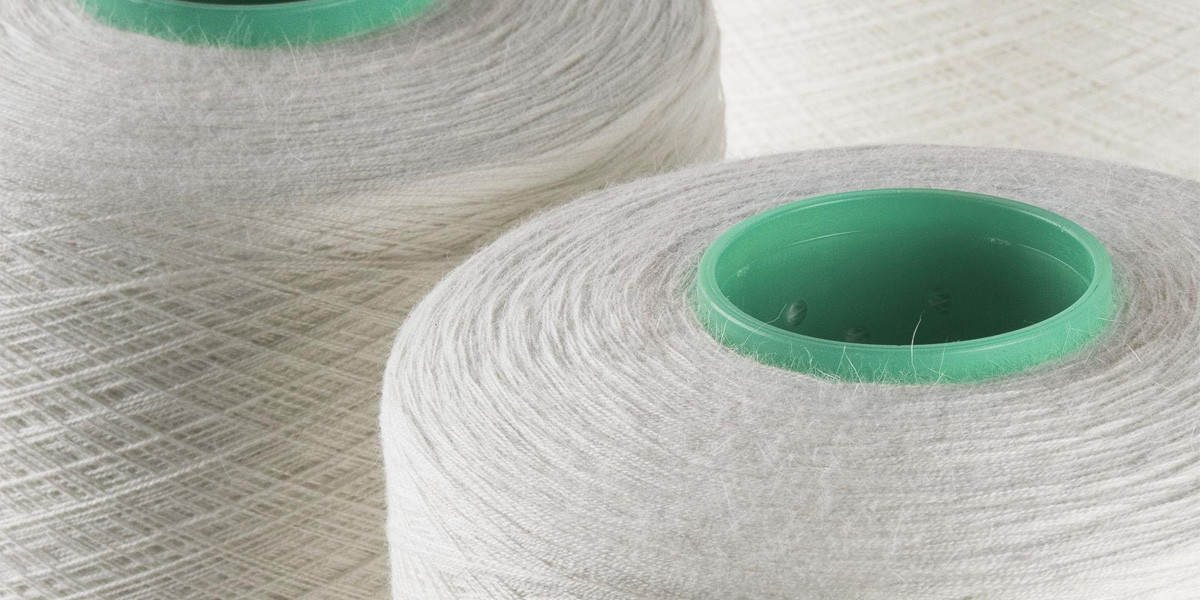
Recycled polyester is manufactured from qualified post-consumer or pre-consumer polyester waste streams. The most common feedstock is sorted, cleaned, shredded and reprocessed PET plastic bottles, alongside other approved recycled polyester inputs.
- Raw material sourced from recycled polyester waste streams
- Reduces reliance on virgin petrochemical feedstocks
- Requires verified supply chain tracking and third-party audit controls
- GRS/RCS certifications validate recycled content and traceability
2.2 Virgin Polyester
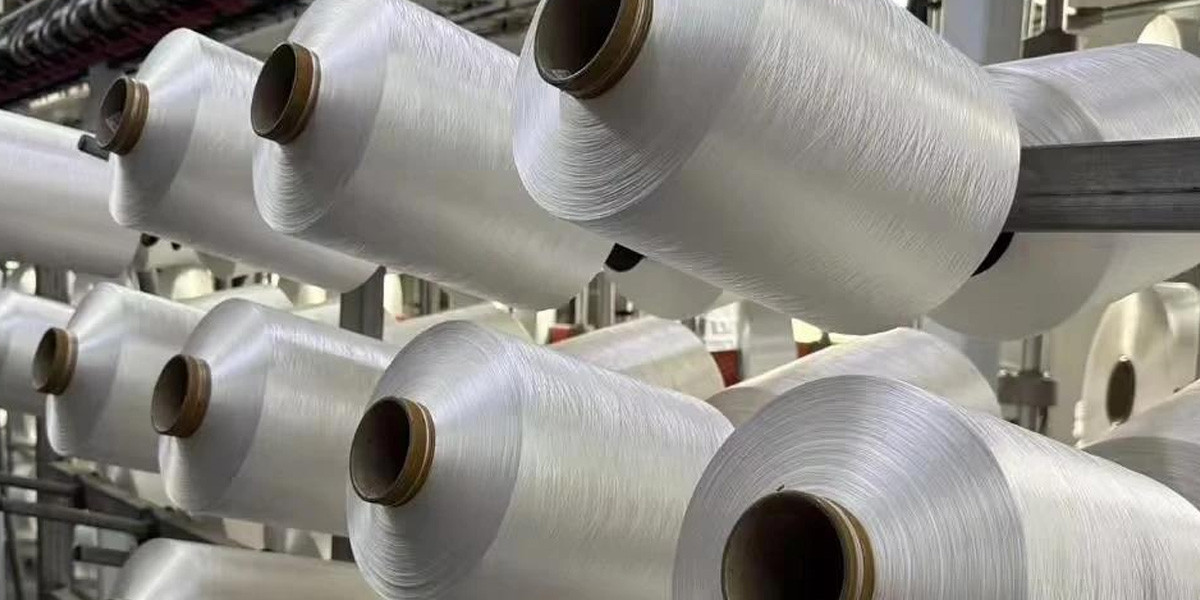
Virgin polyester is extruded from newly polymerized polyester resin derived directly from petrochemical raw materials.
- 100% new polyester feedstock, no recycled fiber content
- Mature, widely available spinning and knitting global supply base
- Broad range of yarn deniers, knit constructions and functional finish options
- Large supplier pool for flexible, high-volume sourcing
Key principle: Recycled polyester is not a fundamentally different fiber category from virgin polyester. The core difference lies in raw material origin, not inherent fiber performance. All later performance comparisons are built on this foundation.
3. Recycled Polyester vs Virgin Polyester: 6 Key Differences
3.1 Raw Material Source
Recycled polyester relies on recycled feedstock; virgin polyester is petrochemical-based. Buyers must clarify whether recycled input is post-consumer waste or pre-consumer factory scrap, as this distinction impacts sustainability storytelling, audit trails and certification eligibility.
3.2 Fabric Performance
When recycled and virgin polyester fabrics are developed with comparable yarn specifications, fabric construction and finishing treatments, their performance can be similar. However, brands should not assume that all recycled polyester fabrics will perform identically to virgin polyester. Stretch recovery, moisture management, opacity, pilling resistance and hand feel should be evaluated through fabric testing and finished-garment wear trials.
3.3 Durability and Quality
Pilling resistance, abrasion performance, wash stability and colour retention are case-by-case metrics. Poor mechanical recycling can degrade fiber quality, but well-controlled rPET yarn can match virgin polyester durability. Every fabric, recycled or virgin, must be lab-tested against your brand’s quality standard before bulk production.
3.4 Dyeing and Color Consistency
Recycled feedstock variability can introduce extra batch colour management risk, but colour inconsistency is not exclusive to recycled polyester. Dye recipe, raw material purity and mill process control are far more impactful factors. Dark colour runs on recycled fabrics require extra pre-production sampling and shade band approvals.
3.5 Cost and Supply Availability
Recycled polyester is not always more expensive. Final pricing depends on waste feedstock grade, recycling route, certification overhead, order volume and mill capacity. The real decision point is whether your target price, quality window and lead time can accommodate the selected material. Some rPET yarns have narrower spec availability and longer development cycles than mainstream virgin polyester.
3.6 Environmental Impact and Traceability
For brands making GRS or RCS-related recycled content claims, valid certification documents, transaction certificates (TCs) and supply chain traceability records are essential. Buyers should verify that the supplier's certification scope covers the relevant materials and production stages. Environmental marketing claims should always be supported by accurate, verifiable documentation and comply with applicable market regulations.
Is Recycled Polyester Always More Sustainable?
This is a frequently overlooked nuance for activewear brands. Environmental performance differs dramatically by feedstock source. Mechanical recycling and chemical recycling carry different resource footprints and fiber quality outcomes. Importantly, recycled polyester is still polyester: it sheds microfibers during laundering, and cannot be marketed as microplastic-free. Industry textile research highlights microfiber release from rPET fabrics, which brands should factor into material communications and product care guidance.
4. Which Polyester Fabric Is Better for Different Activewear Products?
| Product Type | Core Sourcing Focus | Development Guidance |
|---|---|---|
| Yoga Leggings | Softness, stretch recovery, opacity | Test stretch-through and sheerness on finished garments; do not simply swap virgin for recycled without validation |
| Sports Bras | Support, stretch recovery, wash resistance | Balance polyester/spandex ratio and compressive structure |
| Gym Tops | Wicking, breathability, lightweight comfort | Validate wear-tested comfort rather than relying on datasheet specs only |
| Running Tops | Light weight, moisture transfer, fast drying | Select yarn and knit construction for targeted drying performance |
| Athleisure Wear | Hand feel, drape, visual appearance | Match fabric hand and aesthetic to everyday wear positioning |
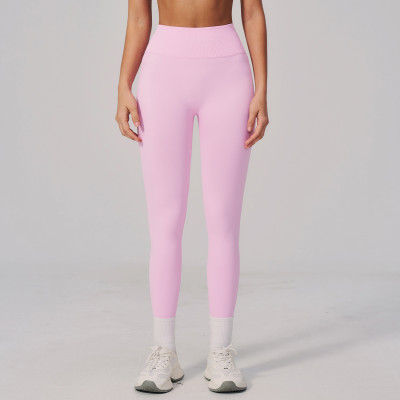
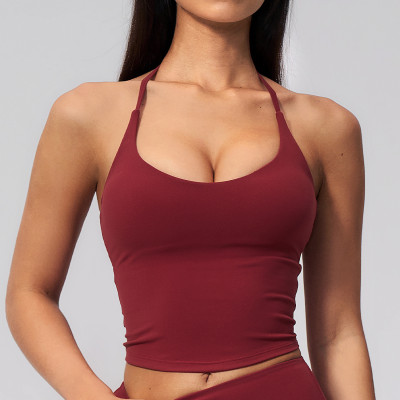
Both fiber types work for activewear. Direct side-by-side replacement is risky, especially for yoga leggings, where opacity and stretch recovery define customer satisfaction. Custom leggings manufacturing at AOLAFREE includes fabric sampling and pre-production wear testing.
5. How to Evaluate Recycled Polyester Before Bulk Production
Use this checklist when you qualify recycled polyester fabric suppliers:
- Fiber Composition: Confirm polyester and spandex percentage
- Fabric GSM: Lock in target weight and tolerance
- Stretch & Recovery: Test cross-grain and lengthwise bounce-back
- Pilling Resistance: Run Martindale or pilling box tests
- Colorfastness: Wash and rub colour fastness to meet your standard
- Recycled Content: Secure valid certification and transaction certificates
GRS vs RCS Quick Clarification
GRS (Global Recycled Standard) covers recycled content, traceability, social compliance, environmental rules and chemical management. RCS (Recycled Claim Standard) only verifies recycled material content and supply chain traceability. Textile Exchange rules set a B2B GRS minimum of 20% recycled content, while consumer-facing GRS claims usually require ≥50% recycled material. Critical note: a GRS-certified raw material supplier does not automatically make your finished garment GRS-certified. Full-chain certification and valid TC documents are required for end-product claims.
6. How AOLAFREE Helps Brands Choose the Right Polyester Fabric
AOLAFREE is a China activewear manufacturer and supplier focused on custom performance apparel for global DTC and wholesale sportswear brands. We do not push recycled polyester as a universal upgrade. Our material support is built around your unique product goals:
- Fabric Selection and Matching: Recommend virgin polyester, recycled polyester or blended fabrics based on your target price, performance requirements and sustainability positioning.
- Custom Fabric Development: Adjust composition, GSM, hand feel, colour and finishing for your apparel line.
- Sample Testing and Production Preparation: Complete fabric lab testing, proto sampling and pre-production confirmation before bulk run to avoid costly post-production surprises.
We support GRS/RCS recycled fabric development where valid documentation is required for your brand sustainability claims. Submit your fabric development inquiry to discuss your activewear line.
7. Conclusion — Which Polyester Should Your Activewear Brand Choose?
There is no single “better” polyester for all activewear. Use these three decision rules:
- Choose recycled polyester when your brand roadmap prioritizes verified recycled content and sustainability storytelling, paired with acceptable performance and cost.
- Choose virgin polyester when you require tight spec control, stable pricing and broad, fast supply for high-volume lines.
- For balanced sustainability + performance goals, make final sourcing decisions based on physical fabric test results, valid supply chain documentation and full cost modelling.
Not sure which polyester fits your yoga, fitness or athleisure collection? Talk to our product team at AOLAFREE, China activewear manufacturer and supplier, for neutral fabric advice and sampling support.
Request Fabric Recommendation