
Strength Training Activewear: What Brands Should Look for in Leggings, Sports Bras & Training Tops
For brands venturing into the competitive world of fitness apparel, understanding the nuances of what makes exceptional strength training activewear is not just an advantage—it's a necessity. The right gear can be the deciding factor for an athlete's performance and, consequently, their loyalty to your brand. This guide is crafted for brand owners, product developers, and procurement managers, offering an expert perspective on navigating the vast world of gym leggings, training sports bras, and other essential gear. We're here to share critical insights and data-backed recommendations, helping your brand develop activewear that genuinely supports customer performance, enhances comfort, and builds a reputation for quality—whether the end-user is lifting heavy, mastering CrossFit, or focusing on flexibility.
Key Takeaways
For activewear brands aiming to capture the strength training market, success hinges on a few critical product development pillars. This summary outlines the core strategies for creating leggings, sports bras, and tops that meet and exceed the expectations of serious athletes.
- Fabric is Paramount: The choice of material directly impacts performance, comfort, and durability. Brands must prioritize fabrics with four-way stretch, excellent shape retention, and superior moisture-wicking capabilities. For leggings, look for nylon/spandex blends that offer a balance of compression and flexibility. For sports bras, polyester blends engineered for high-impact support and breathability are key.
- Construction Defines Function: It's not just the fabric but how it's put together. Flatlock seams prevent chafing, reinforced gussets in leggings allow for a full range of motion during squats and deadlifts, and wide, adjustable bands on sports bras provide customizable support. These are non-negotiable features for premium performance wear.
- Support Must Be Specific: A one-size-fits-all approach to support fails in the strength training space. Offer a tiered system, especially for sports bras (low, medium, high impact), to cater to different activities and body types. For leggings, this means providing options in compression levels, from a gentle "hug" for mobility work to firm compression for heavy lifting days.
- Durability Equals Trust: Strength training is abrasive. Gear will be scraped by barbells, stretched to its limits, and washed frequently. Investing in abrasion-resistant fabrics and robust construction isn't just about product longevity—it's about building brand trust. A product that holds up session after session becomes a reliable tool for the athlete, cementing brand loyalty.
Unlocking Your Potential: Selecting the Best Gym Leggings for Your Strength Training Activewear Journey
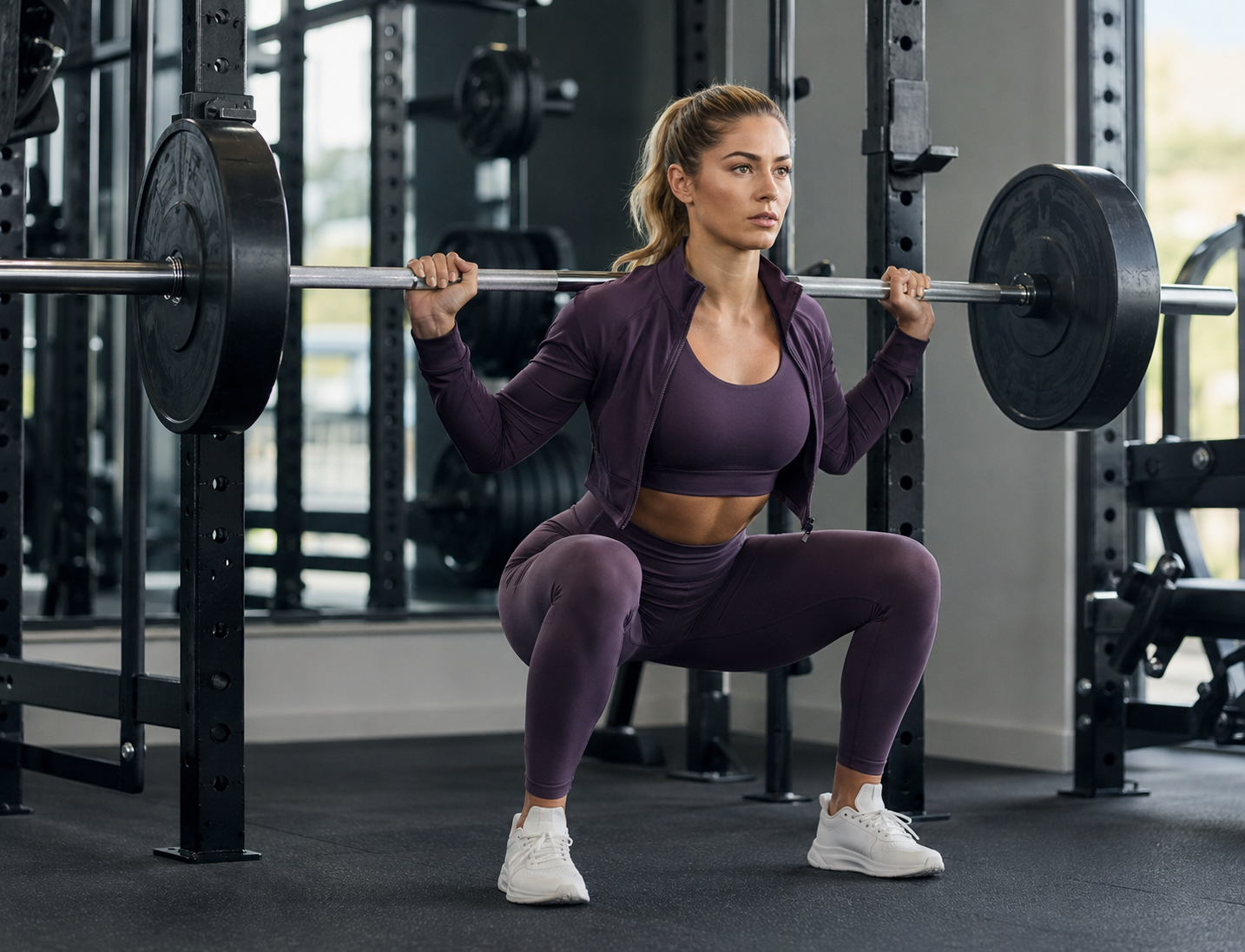
For any brand developing a line of activewear for fitness and strength training, leggings are often the cornerstone product. They are more than just a piece of clothing; they are a second skin that must support, flex, and endure through the most grueling workouts. Creating the perfect gym leggings requires a deep understanding of fabric science, ergonomic design, and the specific demands of strength athletes. From the deadlift platform to the squat rack, the right pair of leggings can enhance performance, improve confidence, and prevent distraction. This section will deconstruct the key elements that brands must master to produce best-in-class leggings that will become a go-to for serious gym-goers.
The Critical Role of Fabric and Fit in High-Performance Gym Leggings
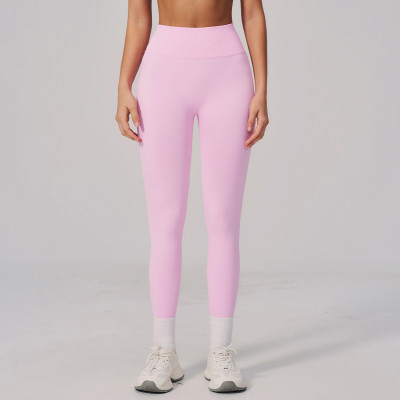
The success of any gym legging hinges on the synergy between its fabric and fit. For brands, this isn't a matter of opinion but a science. The fabric composition determines the garment's core performance characteristics: stretch, compression, moisture management, and durability. Blends of nylon and spandex (or Lycra) are industry standards for their superior elasticity and strength. High-performance leggings typically feature a four-way stretch fabric, allowing for unrestricted movement in every direction—a critical feature for deep squats and lunges. The percentage of spandex in the blend often dictates the level of compression; a higher spandex content (e.g., 25-30%) provides a more compressive fit, which can aid in muscle support and may improve blood flow.
Fit, however, is equally crucial. It's about more than just size. An ideal fit is achieved through thoughtful paneling, a secure waistband, and an appropriately designed gusset. A wide, high-rise waistband is often preferred in strength training as it provides core support and stays in place during dynamic movements, preventing the dreaded roll-down. Furthermore, flatlock seams are a hallmark of quality activewear, designed to lie flat against the skin to minimize chafing and irritation during repetitive motions. The crotch gusset—a diamond-shaped fabric insert—is another non-negotiable feature, as it enhances durability and anatomical fit, allowing for a greater range of motion without stressing the seams.
Finding Supportive and Comfortable Gym Leggings for Every Workout
For a brand's product to be successful, it must strike the perfect balance between support and comfort. Support in leggings is primarily delivered through compression. Compressive fabrics apply gentle, graduated pressure to the muscles, which many athletes feel enhances proprioception (awareness of body position) and provides a "held-in" feeling of security during heavy lifts. However, too much compression can restrict movement and become uncomfortable over long periods. Therefore, offering a range of compressive options can cater to a wider audience, from those who prefer a light, "naked" feel for mobility work to those who need maximum support for powerlifting.
Comfort extends beyond the level of compression. It is deeply tied to the fabric's ability to manage heat and moisture. Look for textiles with hydrophilic (moisture-attracting) interior surfaces and hydrophobic (moisture-repelling) exterior surfaces. This construction effectively pulls sweat away from the skin and pushes it to the outside of the fabric, where it can evaporate quickly. This process, known as moisture-wicking, is essential for keeping the wearer dry, comfortable, and focused. Additionally, breathability, or the fabric's ability to allow air to circulate, prevents overheating during high-intensity sessions. Brands should prioritize materials that have been tested and rated for their breathability and moisture management properties to deliver a truly comfortable experience.
Innovative Leggings: Beyond Basic Compression to Enhanced Recovery
The activewear market is driven by innovation. Today's most advanced leggings offer benefits that go far beyond basic support. Brands looking to lead the market should explore integrating cutting-edge fabric technologies into their designs. One such innovation is the use of infrared fabrics. These textiles are embedded with bioceramic minerals that absorb body heat and reflect it back to the skin as far-infrared energy. Preliminary studies and user reports suggest this process may help increase local circulation and promote cellular oxygenation, potentially leading to improved performance, faster recovery, and reduced muscle soreness.
Another area of innovation lies in strategic body mapping. Instead of uniform compression, body-mapped leggings feature zones of varying compression and ventilation. More compressive panels can be placed over major muscle groups like the quads and glutes to provide targeted support, while more breathable, flexible panels can be located in high-heat, high-movement zones like the back of the knees. This intelligent design approach optimizes both performance and comfort simultaneously. Furthermore, advancements in seamless knitting technology allow for the creation of leggings with these complex zones built directly into the fabric, eliminating the need for extra seams and enhancing overall comfort.
My aolafree Top Picks for Durable and Effective Strength Training Leggings
As a leading activewear manufacturer, we at aolafree believe that durability is the ultimate measure of quality. For leggings designed for strength training, this is paramount. The garment must withstand the friction of a barbell during deadlifts (abrasion resistance) and retain its shape and compression after countless squats and washes (shape recovery).
When evaluating legging durability, brands should focus on these key indicators:
| Feature | Importance for Durability | What to Look For |
|---|---|---|
| Abrasion Resistance | Prevents pilling and tearing from contact with equipment like barbells and benches. | Tightly knit fabrics, often with a nylon base. Look for results from Martindale or Wyzenbeek abrasion tests. |
| Color Fastness | Ensures the leggings won't fade or bleed after repeated washing and exposure to sweat. | High-quality dyes and printing processes. Fabrics should be tested for color fastness to washing, sweat, and light. |
| Shape Retention (Recovery) | Guarantees the leggings return to their original form and don't "bag out" at the knees or seat. | High percentage of quality spandex (like Lycra or elastane) and a dense knit structure. |
| Seam Strength | Prevents seams from popping during deep stretches and lifts. | Reinforced stitches, such as flatlock or triple-needle coverstitching, especially at high-stress points like the crotch and waistband. |
By prioritizing these features, brands can create a line of strength training leggings that not only performs exceptionally but also represents a long-lasting investment for the customer, building the brand loyalty that is the cornerstone of success.
Elevate Your Lift: Discovering the Ultimate Training Sports Bra for Unwavering Support
The training sports bra is arguably the most critical piece of performance apparel for female athletes. An ill-fitting or unsupportive bra can cause pain, distraction, and even long-term tissue damage. For activewear brands, developing a superior training sports bra is a technical challenge that, when met, can create fierce brand loyalty. It requires a nuanced understanding of biomechanics, material science, and diverse body types. The ultimate sports bra is one the wearer forgets is even there, providing invisible, unwavering support that allows her to focus completely on her lift. This section will guide brands through the essential considerations for designing and manufacturing sports bras that empower rather than inhibit.
Understanding Different Support Levels in Your Training Sports Bra for Diverse Activities
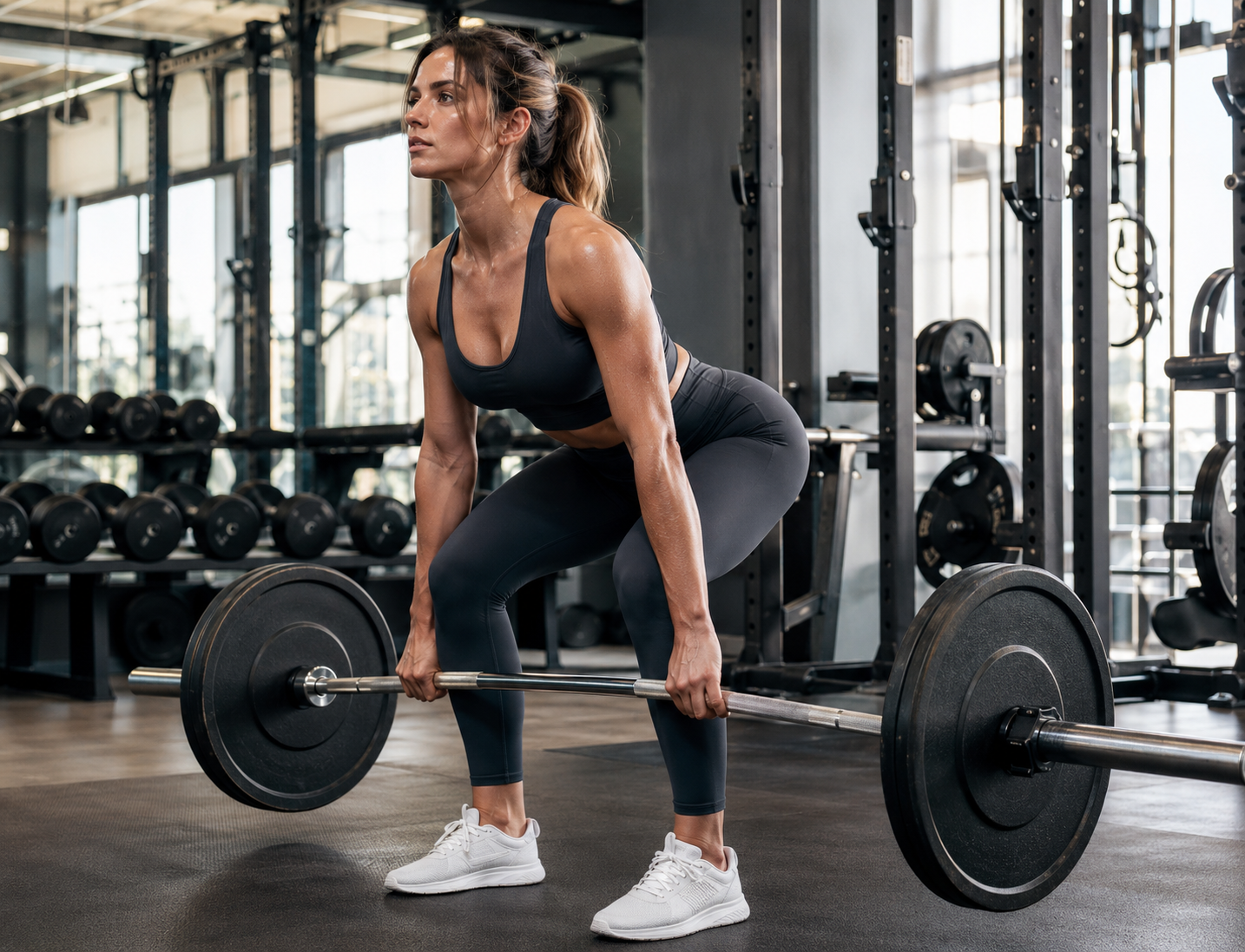
The first principle of sports bra design is that not all activities require the same level of support. Offering a clear, well-defined system of support levels is crucial for guiding customers to the right product. Generally, support is categorized into low, medium, and high impact.
- Low-Impact Bras: These are designed for activities with minimal bounce, such as yoga, Pilates, and stretching. They often use a simpler, compression-style design with less structure and are prioritized for comfort and flexibility.
- Medium-Impact Bras: This is a versatile category suitable for activities like stationary cycling, moderate weight training, and using an elliptical machine. These bras offer a blend of compression and encapsulation (using individual cups) and represent a balance between support and comfort.
- High-Impact Bras: This is the most critical category for serious strength training, HIIT, and running. High-impact bras are engineered to minimize breast movement in all directions. They almost always use encapsulation, or a combination of encapsulation and compression, to support each breast individually. This structure is essential for preventing pain and the stretching of Cooper's ligaments, the connective tissue that supports the breasts. For brands, offering robustly tested high-impact options is non-negotiable for the strength training market.
Features That Matter: Adjustable Straps, Breathability, and Design for a Training Sports Bra
Beyond the basic support level, specific features differentiate a mediocre sports bra from a great one. Brands must obsess over these details during the development phase.
Key functional features include:
- Adjustability: The ability to customize fit is paramount. Look for adjustable shoulder straps (to control lift) and an adjustable underband (the source of 80% of a bra's support). A hook-and-eye closure on the band, similar to a traditional bra, provides a much more precise and secure fit than a simple pullover style.
- The Underband: The band should be wide, firm, and made of a material that won't stretch out over time. It should fit snugly around the rib cage without digging in. A secure band is the foundation of all support.
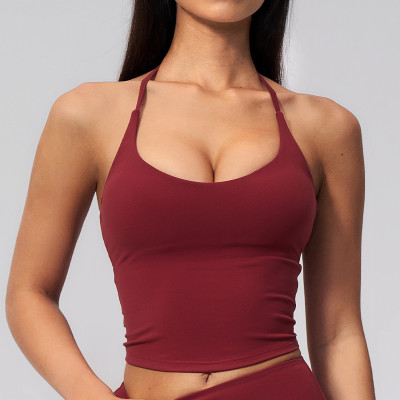
- Shoulder Straps: Wide, padded shoulder straps help to distribute weight more evenly and reduce pressure on the shoulders, a common point of discomfort. Racerback styles are popular as they offer a secure fit and allow for a wide range of arm and shoulder movement, but convertible straps that can be worn in different configurations offer greater versatility.
- Breathability and Moisture Wicking: Like leggings, a high-performance sports bra must manage sweat effectively. Materials like polyester-spandex blends with moisture-wicking finishes are ideal. Incorporating mesh panels in high-sweat zones, such as the center gore (between the cups) and the back, significantly enhances airflow and keeps the wearer cool and dry.
Posture-Enhancing and High-Impact Training Sports Bras: What to Look For
For athletes focused on heavy lifting, posture is key to performance and injury prevention. Advanced sports bras can play a role in promoting better posture. These designs often feature strategically placed power-mesh panels or crisscross patterns across the back. This construction creates tension that gently pulls the shoulders back, providing a subtle cue for the wearer to maintain a more upright, open-chested posture. While not a medical device, this additional support can help combat the tendency to round the shoulders during fatiguing sets.
When developing high-impact bras, the method of support is the primary consideration. Encapsulation bras, which feature distinct cups, are generally considered superior for high-impact activities because they separate and support each breast individually, controlling movement more effectively than simple compression. The best high-impact bras often combine encapsulation with some degree of compression for maximum motion reduction. Brands should look for molded cups that are firm but not rigid, offering a secure shape without flattening breast tissue uncomfortably. The use of underwire (often made from flexible plastics rather than metal for comfort) can also add a significant level of lift and support, particularly for larger cup sizes.
My aolafree Recommendations for Reliable Training Sports Bras
At aolafree, we define a reliable training sports bra by its ability to provide consistent, comfortable support, wash after wash. Brands aiming to build this level of trust with their customers should prioritize a combination of high-tech materials and thoughtful construction.
Our core recommendations for developing a top-tier training sports bra include:
- Focus on a High-Quality Fabric Blend: Prioritize polyester/spandex or nylon/spandex blends known for their durability, moisture-wicking properties, and shape retention. The fabric next to the skin should be soft to prevent chafing during long workouts.
- Engineer the Band for Maximum Support: The underband is the most critical component. Use a wide, robust elastic that has been tested for its recovery and strength. Offer a multi-stage hook-and-eye closure for fine-tuned adjustability.
- Don't Skimp on the Straps: Straps should be adjustable and, for medium-to-high impact styles, at least partially padded. This small investment in comfort pays huge dividends in customer satisfaction.
- Test, Test, Test: Real-world testing is indispensable. Bras should be tested on a variety of body types during high-impact activities like burpees, box jumps, and sprints. Use feedback from these sessions to refine the fit and support before going to market.
A sports bra that delivers on its promise of support doesn't just enable a better workout; it instills a sense of confidence and security. For an activewear brand, being the source of that confidence is an invaluable position in the market. To begin creating your custom line of performance activewear, you can start a project with us today.
Beyond the Basics: Exploring Premium Brands in Strength Training Activewear for Optimal Performance
In the saturated activewear market, simply producing a functional product is not enough. To truly stand out, brands must strive for "premium" status, a designation earned through a commitment to innovation, quality, and a deep understanding of the athlete's needs. Premium strength training activewear delivers optimal performance by seamlessly blending advanced technology with sophisticated design. It's about creating gear that not only works flawlessly but also feels exceptional and aligns with the customer's identity. This section explores what it takes for a brand to elevate its offerings from basic to premium, solidifying its place as a leader in the performance apparel space.
Leading Brands Redefining Strength Training Activewear with Advanced Technology
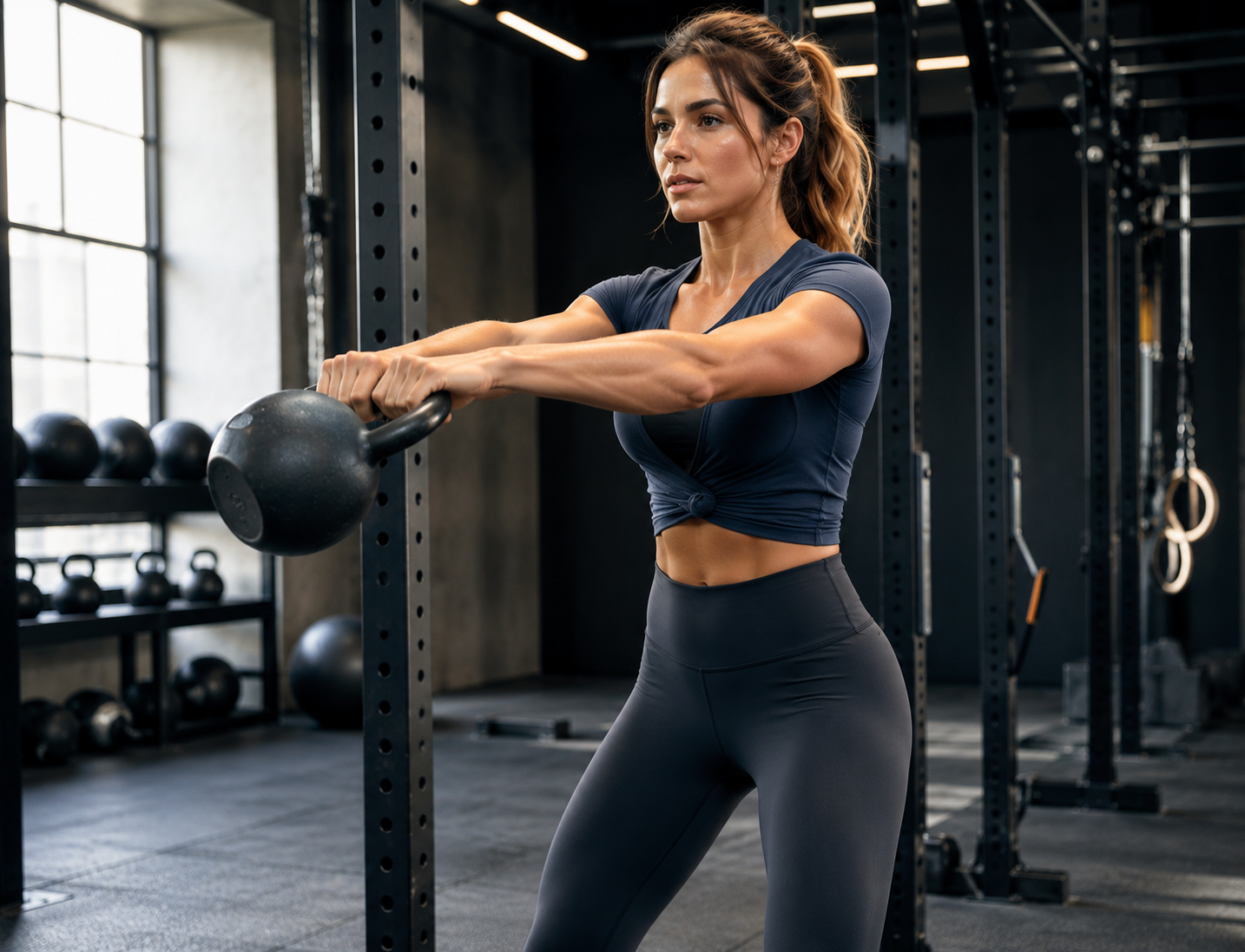
The brands at the forefront of the activewear industry are, at their core, technology companies. They invest heavily in research and development to create proprietary fabrics and construction techniques that provide a tangible performance edge. For any brand aspiring to this level, understanding these technologies is the first step.
One of the most significant areas of innovation is in yarn and fabric treatments. For example, some leading brands use yarns infused with antimicrobial agents like silver to inhibit the growth of odor-causing bacteria, keeping garments fresher for longer. Other brands apply advanced chemical finishes to their fabrics to enhance moisture-wicking speed or create a water-resistant yet breathable outer layer. Patented fabric structures, such as Lululemon's Luon® or Nulu™ fabrics, are prime examples of how a unique material with a distinct feel and performance profile can become a brand's signature and a powerful market differentiator. These brands don't just buy fabric off the roll; they partner with textile mills to engineer custom materials to their exact specifications.
The Fusion of Fashion and Function in Today's Strength Training Activewear
The modern athlete demands apparel that performs in the gym and transitions seamlessly to everyday life—a trend known as "athleisure." Premium brands masterfully fuse high fashion with high function. This means paying close attention to silhouette, color palettes, and design details that align with current fashion trends. Features like unique seam placements that contour and flatter the body, subtle branding, and sophisticated colorways are just as important as the fabric's technical properties.
This fusion is also evident in the versatility of the garments. A premium training top might feature a stylish cut and soft, comfortable fabric that makes it suitable for a post-workout coffee run. Leggings might incorporate subtle, reflective details that are both a design element and a safety feature for an evening walk. To achieve this, brands must have a design team that is not only technically proficient but also has a keen eye for aesthetics and market trends. The goal is to create a product that customers want to wear, not just one they have to wear for their workout.
Budget-Friendly Yet High-Quality Options for Your Strength Training Activewear Wardrobe
Achieving a "premium" feel doesn't always have to come with a prohibitive price tag for the end consumer. A smart brand can deliver exceptional quality and performance on a budget by making strategic choices in sourcing and manufacturing. The key is to know where to invest and where to save.
For example, a brand might choose to use a highly advanced, proprietary fabric for its flagship high-impact sports bra but opt for a more standard, but still high-quality, nylon/spandex blend for a basic training top. The secret lies in partnering with a knowledgeable activewear manufacturer who can provide access to a wide range of quality materials at different price points. An experienced manufacturer can help a brand identify fabrics that offer 90% of the performance of a top-tier patented material for a fraction of the cost. Furthermore, optimizing the supply chain, manufacturing in efficient volumes, and utilizing streamlined construction techniques can significantly reduce costs without sacrificing the essential performance characteristics that define quality activewear.
Investing in Comfort and Durability: My aolafree Perspective on Quality Activewear Brands
From our perspective at aolafree, the ultimate hallmarks of a premium activewear brand are an unwavering commitment to comfort and durability. These two pillars are the foundation of customer trust and long-term value. An investment in higher quality materials and construction pays off in reduced product returns, positive reviews, and repeat customers.
Comfort is a holistic concept. It's the softness of the fabric against the skin, the absence of chafing from well-placed flatlock seams, and the thermal regulation provided by breathable materials. A garment that is uncomfortable will not be worn, no matter how technologically advanced it is.
Durability is the promise that the product will withstand the rigors of its intended use. For activewear for fitness and strength training, this means passing stringent tests for:
- Pilling resistance: The fabric surface must resist forming small balls of fiber after repeated friction.
- Elasticity and recovery: The garment must stretch and return to its original shape without becoming saggy.
- Seam strength: Seams must hold up under extreme tension.
Brands that invest in these fundamental qualities are not just selling a product; they are selling reliability. They are providing their customers with a tool they can depend on to support them in their fitness journey, and that is the true mark of a premium brand.
Maximizing Longevity: Essential Care for Your Strength Training Activewear, Gym Leggings, and Training Sports Bras
For brands, providing customers with clear and effective care instructions is a crucial part of the post-purchase experience. It demonstrates a commitment to the longevity of the product, enhances customer satisfaction, and ultimately reinforces the brand's reputation for quality. High-performance fabrics require specific care to maintain their technical properties, such as elasticity, moisture-wicking capabilities, and compression. Educating your customers on how to properly care for their strength training activewear is a simple, value-added service that can significantly extend the life of the garments and the customer's relationship with your brand.
Proper Washing Techniques to Preserve the Elasticity of Your Gym Leggings and Sports Bras
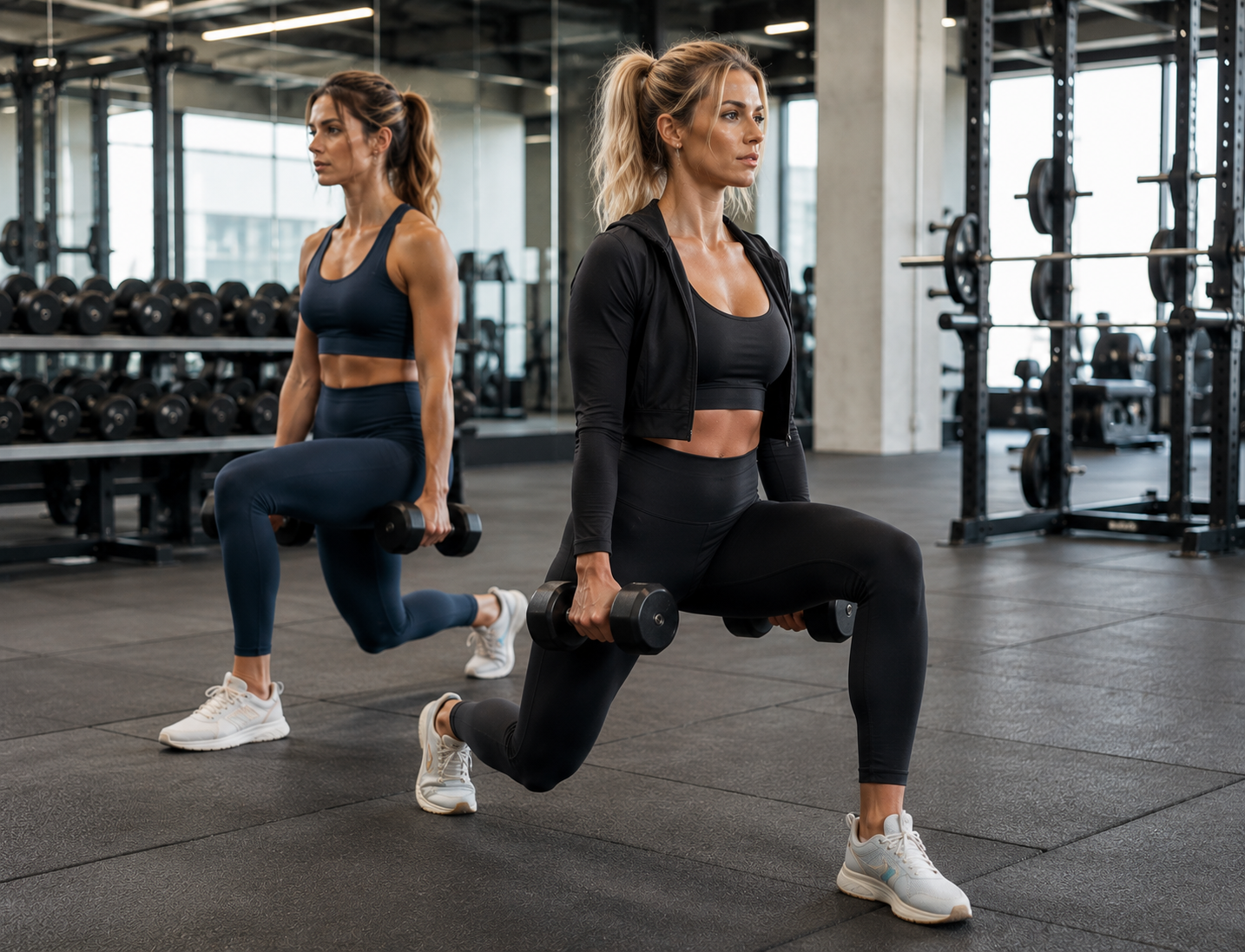
The single most important factor in activewear longevity is how it is washed. Harsh detergents, high heat, and fabric softeners are the enemies of performance fabrics. Brands should provide a clear, concise set of washing instructions on both the product label and their website.
The ideal washing protocol is as follows:
- Wash After Every Wear (If Possible): This prevents the buildup of sweat, oils, and bacteria, which can degrade fabrics over time and cause persistent odors.
- Turn Garments Inside Out: This protects the outer surface from abrasion in the wash and allows the detergent to more effectively target the side of the fabric that has been in contact with sweat and skin.
- Wash with Like Colors and Fabrics: Avoid washing activewear with heavy or abrasive items like denim or towels, which can cause pilling and damage delicate fibers.
- Use a Cold Water Cycle: Hot water can damage the delicate synthetic fibers (like spandex) that give activewear its stretch and compression, leading to a loss of elasticity and shape.
- Use a Gentle Detergent (and Use it Sparingly): Opt for a detergent specifically formulated for performance wear, or a gentle, dye-free liquid detergent. Powder detergents can sometimes leave a residue that clogs the fabric's pores, inhibiting its moisture-wicking ability.
- NEVER Use Fabric Softener: Fabric softeners and dryer sheets coat the fibers of the fabric with a waxy residue. This coating completely clogs the micro-channels that are responsible for drawing moisture away from the skin, destroying the garment's wicking properties and trapping odor.
Recognizing When It's Time to Replace Your Worn-Out Strength Training Activewear
All clothing has a lifespan, and high-performance activewear, which is subjected to extreme stress, is no exception. Helping customers recognize the signs of a worn-out garment is another way to ensure they are always getting the performance they expect from your brand.
For strength training leggings, key signs of replacement include:
- Loss of Opacity: If the fabric becomes see-through when squatting or stretching (and wasn't before), the fibers have been stretched beyond their limit. This indicates a loss of both coverage and compressive support.
- Sagging or Bagging: If the leggings start to sag at the waist or bag out at the knees and seat, the spandex has lost its recovery properties. The garment will no longer provide a supportive fit.
- Frayed Seams or Pilling: Extensive pilling or seams that are starting to unravel are clear signs of structural degradation.
For a training sports bra, which is a critical piece of support equipment, the signs are even more important to heed:
- Stretched Band or Straps: If the underband no longer fits snugly on the tightest hook, or if the straps have to be continually tightened, the bra has lost its foundational support. Experts suggest a sports bra's lifespan is typically 6-12 months, depending on use and care.
- Wrinkling or Puckering in the Cups: This indicates that the fabric or padding in the cups has broken down and will no longer provide effective encapsulation or compression.
- Visible Chafing or Irritation: If a bra that was once comfortable suddenly starts causing chafing, it's often a sign that the fabric has become rough or the elastic has degraded and is digging into the skin.
Tips for prolonging the life of your training sports bra
The sports bra is a high-tech garment and arguably the hardest working piece in an activewear wardrobe. In addition to the general washing guidelines, brands can offer these specific tips to help customers maximize the life of their sports bras.
- Rotate Your Bras: Just like running shoes, sports bras need time to recover between wears. The elastic fibers need time to rest and return to their original shape. Ideally, a customer should have at least three sports bras in their rotation to avoid wearing the same one on consecutive days.
- Air Dry, Always: This is the most crucial care tip. The high heat of a machine dryer is the fastest way to destroy the spandex and elastic in a sports bra, permanently ruining its fit and support. Advise customers to lay the bra flat or hang it to air dry, away from direct sunlight, which can also degrade fibers and fade colors over time.
- Fasten the Hooks Before Washing: If the bra has a hook-and-eye closure, it's a good practice to fasten it before putting it in the wash. This prevents the hooks from snagging and tearing the delicate fabric of the bra itself or other items in the load.
- Use a Lingerie Bag: Placing the sports bra in a mesh lingerie bag provides an extra layer of protection during the wash cycle, reducing friction and preventing straps from getting tangled or stretched out.
Frequently Asked Questions (FAQ)
Q1: What fabric certifications should a brand look for when sourcing materials? A: For brands committed to quality and safety, seeking fabrics with certifications like OEKO-TEX® Standard 100 is crucial. This certification ensures that every component of the textile—from the yarn to the dye—has been tested for harmful substances and is safe for human health. For sustainability claims, certifications like the Global Recycled Standard (GRS) for recycled materials or bluesign® for environmentally safe manufacturing processes are becoming increasingly important to discerning consumers.
Q2: How does the Minimum Order Quantity (MOQ) affect customization options for a new brand? A: MOQ is a critical factor for new or small brands. A higher MOQ, set by the fabric mill or garment factory, often unlocks more customization options. This can include custom Pantone color dyeing, creating a unique fabric blend, or developing proprietary prints. Lower MOQs typically restrict a brand to the manufacturer's existing "in-stock" fabrics and colors. A good activewear manufacturer will have flexible options, allowing brands to start with lower MOQs and scale up as they grow, offering more customization possibilities at higher volumes.
Q3: What is the most important performance test for strength training leggings? A: While several tests are important, the "squat test" is the ultimate pass/fail for strength training leggings. This isn't just a visual check for sheerness. In a lab setting, it involves stretching the fabric to a specific percentage that mimics the stress of a deep squat and measuring its opacity (how much light passes through). A high-quality fabric will remain opaque even under maximum stretch. This single test evaluates the fabric's knit density, colorfastness, and fiber quality all at once.
Q4: Should a brand prioritize compression or encapsulation in their sports bra designs? A: It's not an either/or question; a comprehensive sports bra line should include both. For low-to-medium impact activities and smaller cup sizes, compression-only styles can offer sufficient comfort and support. However, for any brand serious about the strength training and high-impact market, offering encapsulation or encapsulation-compression hybrid bras is non-negotiable. Encapsulation provides superior motion control, a more natural shape, and better support for a wider range of body types, making it essential for a premium, performance-oriented collection.
Conclusion
Investing in high-quality strength training activewear is an investment in your brand's reputation and your customers' fitness goals. The difference between a product that hinders and one that helps lies in the details: the science of the fabric, the precision of the fit, and the durability of the construction. From supportive strength training leggings that enhance every squat to a reliable training sports bra that offers unwavering confidence, the right gear can truly make an athlete's efforts count and build the brand loyalty that drives long-term success. We hope this exploration of materials, features, and manufacturing considerations has inspired you to create the perfect pieces that elevate your customers' workouts and help them achieve their personal best. If you're ready to build a collection that stands for quality and performance, we invite you to start a project with a trusted partner like aolafree.