Introduction: The Growing Demand for Custom Yoga Wear
The global yoga apparel market has experienced remarkable growth, valued at over $40 billion and projected to continue expanding as yoga and wellness practices become mainstream lifestyle choices worldwide. For brands — from boutique studios launching their own label to established athleisure companies expanding their product lines — custom yoga wear manufacturing represents a significant opportunity to create differentiated, high-margin products.
However, manufacturing yoga wear is distinct from general activewear production. Yoga garments require specific fabric performance characteristics, precise fit engineering, and construction techniques that accommodate a wide range of movement while providing coverage and support. This comprehensive guide walks through the entire custom yoga wear manufacturing process — from initial design concept to final delivery.
Key Takeaway
Successful custom yoga wear manufacturing requires careful attention to fabric selection, fit engineering, and quality standards specific to yoga practice — not just general activewear production knowledge.
Essential Yoga Wear Fabrics: Performance Meets Comfort
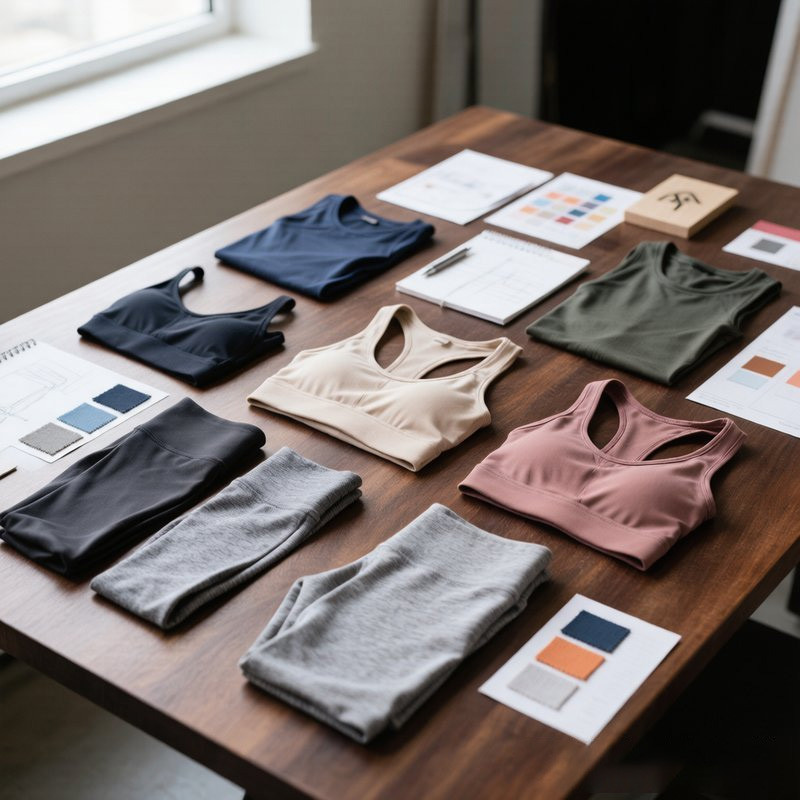
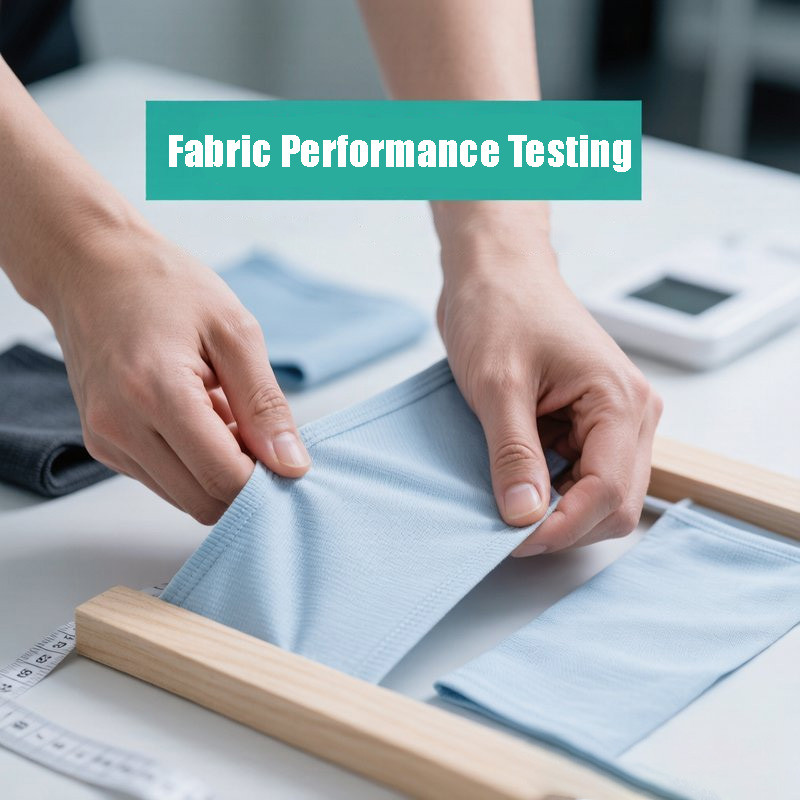
Fabric selection is the single most important decision in custom yoga wear manufacturing. Unlike running or gym apparel, yoga wear must balance four critical performance characteristics:
Four-Way Stretch
Fabric must stretch and recover in all directions to support poses from Downward Dog to Warrior II without restriction or bagging out.
Moisture Wicking
Hot yoga and vigorous vinyasa flows generate significant sweat. Fabric must rapidly move moisture away from skin to keep the practitioner comfortable.
Opacity & Coverage
The "squat test" is real — fabric must remain completely opaque even when stretched to maximum tension during deep bends and inversions.
Soft Hand Feel
Yoga practitioners value fabrics that feel soft and gentle against skin — "buttery soft" has become the gold standard description in the yoga wear market.
Top Fabric Choices for Yoga Wear
| Fabric | Composition | Best For | Key Properties |
| Nylon-Spandex (Supplex) | 75-80% Nylon / 20-25% Spandex | Leggings, bras | Superior softness, excellent compression, good opacity at 200+ GSM |
| Polyester-Spandex | 80-88% Polyester / 12-20% Spandex | Tops, tanks, jackets | Excellent moisture wicking, durable, holds print well, more affordable |
| Cotton-Spandex | 90-95% Cotton / 5-10% Spandex | Lounge, gentle yoga | Natural feel, breathable, less performance-oriented, good for restorative yoga |
| Recycled Polyester-Nylon | Varies (rPET + Elastane) | Eco-conscious lines | Sustainable, good performance, GRS certifiable, growing consumer preference |
| Seamless Knit (Nylon-Spandex) | 70-85% Nylon / 15-30% Spandex | Premium leggings, bras | No side seams, engineered zones, sculpting fit, luxury feel |
Yoga Leggings: Design, Construction, and Quality Standards
Yoga leggings are the anchor product of any yoga wear line. They are also the most technically demanding garment to manufacture correctly. Here is what goes into a well-made pair:
Critical Design Elements for Yoga Leggings
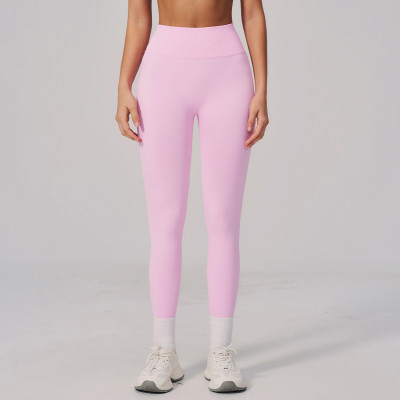
- Waistband Construction: A high-rise, 4-5 inch wide waistband with an internal elastic encased in self-fabric provides stay-put security without digging in. The waistband should have vertical stretch but limited horizontal stretch to prevent rolling during forward folds.
- Gusset Panel: A diamond or triangular gusset at the crotch seam is essential for freedom of movement and durability. Without a gusset, the center seam takes all the stress and will eventually fail.
- Flatlock Seams: All seams should be four-needle six-thread flatlock construction — flat against the skin to prevent chafing during floor-based poses. Overlock or basic seams create uncomfortable ridges.
- No Front Center Seam (Optional Premium): Many premium yoga brands eliminate the front center seam entirely for aesthetic and comfort reasons. This requires more complex pattern engineering and construction.
- Hidden Waistband Pocket: An interior pocket sized for a phone or key has become a standard expectation in the $50+ yoga legging segment.
Sports Bras for Yoga: Support Level Design
Yoga sports bras range from light-support bralettes for restorative and gentle yoga to medium-support styles for power yoga and inversions. Unlike running bras, yoga bras prioritize freedom of movement over maximum bounce control.
Support Level Guide for Yoga Bras
- Light Support:Designed for A-B cup, restorative yoga, and lounging. Typically pullover style with a wide bottom band, removable cups, and delicate strap details. Minimal compression.
- Medium Support:For B-D cup, vinyasa and hot yoga. Features a more structured design with encapsulated cups or compression-style front, wider straps, and a supportive band. May include a back closure.
- High Support:For D+ cup and high-intensity yoga styles. Incorporates molded cups, underwire options, adjustable straps, and a proper hook-and-eye back closure. This category has the most technical construction requirements.
Yoga Tops: Styles and Manufacturing Considerations
The yoga top category spans a wide range from minimalist bras to flowing, coverage-focused designs. Key manufacturing considerations include:
Popular Yoga Top Styles
- Built-In Bra Tanks: A tank top with an integrated shelf bra — popular for all-in-one convenience. Requires careful pattern matching between the outer layer and inner bra layer.
- Wrap and Tie-Front Tops: Popular for their adjustable fit and aesthetic appeal. The tie closure construction must be reinforced to withstand repeated tying and washing.
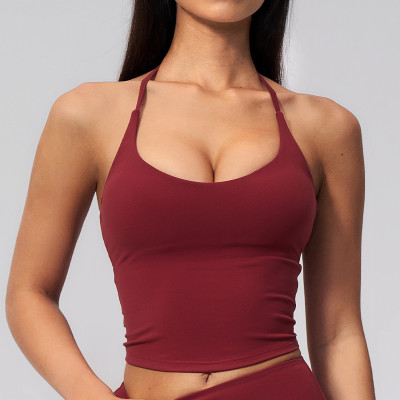
- Open-Back and Strap-Detail Designs: These aesthetic-forward styles are popular in the yoga community. Construction requires precise seam finishing at the back openings to prevent fraying and maintain shape.
- Long-Sleeve Crops: A growing category that bridges yoga and streetwear. Requires attention to sleeve hem finishing and body length consistency.
The Sampling Process: From First Prototype to Approval
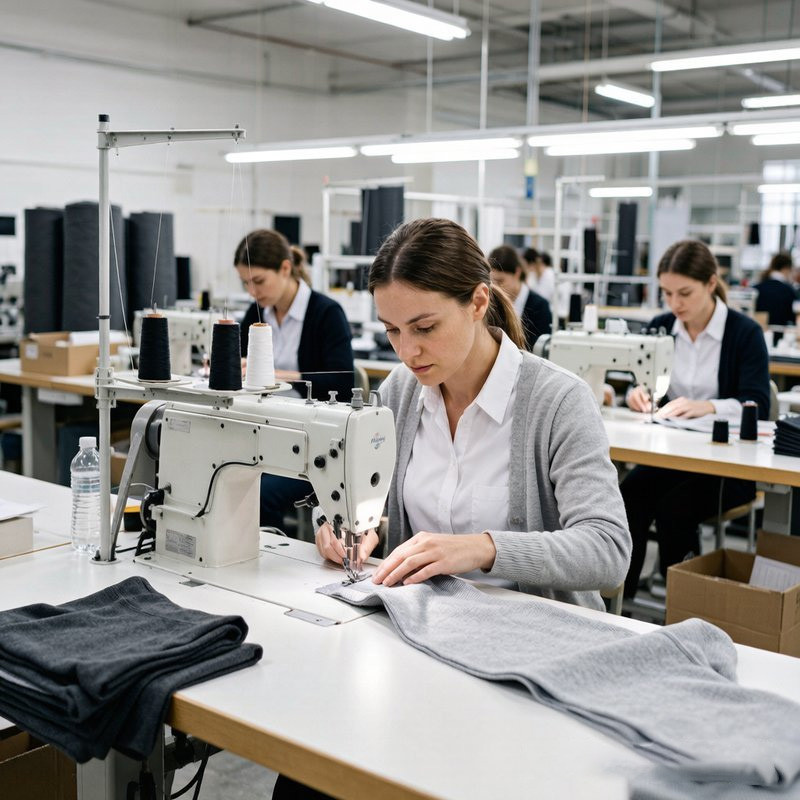
The sampling phase is where your design vision becomes physical reality. A structured sampling process typically involves three stages:
1
Proto Sample: The first physical version of your design — typically made in the closest available fabric to test the pattern shape and basic fit. Purpose: confirm that the design is constructable and the general silhouette is correct. Timeline: 5-10 days.
2
Fit Sample: Made in the actual production fabric with all design details. Purpose: refine fit, adjust measurements, and confirm fabric performance. This stage often requires 1-2 rounds of revisions. Timeline: 7-14 days per round.
3
Pre-Production (PP) Sample: The final approved sample made under actual production conditions — same fabric lot, same production line, same workers. This becomes the quality benchmark for bulk production. Timeline: 10-14 days.
Quality Control Standards Specific to Yoga Wear
Yoga wear QC goes beyond general apparel inspection standards. Here are the yoga-specific quality checks that should be part of every inspection:
- Stretch and Recovery Test: Fabric is stretched to 100% elongation and measured for recovery — it should return to within 5% of its original dimension after 30 seconds. This ensures leggings and bras maintain their shape through repeated wear.
- Opacity Test: Fabric is stretched to 50% elongation over a contrasting surface and visually inspected for see-through. This is the "squat test" done scientifically. Some brands specify zero light transmission even at maximum stretch.
- Seam Strength Testing: Key stress points — crotch gusset, waistband attachment, strap connections — are pull-tested to specified force requirements. A typical standard is 15+ kg before seam failure.
- Colorfastness: Yoga wear experiences significant sweat exposure. Colorfastness to perspiration (both alkaline and acid) should be Grade 4 minimum on the grey scale.
- Pilling Resistance: Yoga involves significant fabric-on-fabric and fabric-on-mat friction. Martindale abrasion testing at 2,000+ cycles with Grade 3-4 minimum ensures the garment looks good after months of practice.
Sizing Strategy: Creating an Inclusive Size Range
Yoga is practiced by people of all body types. An inclusive size range is both an ethical imperative and a smart business decision. Key considerations for yoga wear sizing:
- Grade Rules: The measurement difference between sizes (grade) for stretch yoga wear is typically 1-1.5 inches at key points (chest, waist, hip), compared to 2 inches for woven garments. Smaller grade steps provide better fit through the range.
- Extended Sizing: Going from XS-XL to XXS-3XL (or XS-4XL) requires separate fit models and fit testing at the extremes of the size range. Patterns cannot simply be graded up from a size Small without fit distortion at larger sizes.
- Fit Model Selection: Use a fit model whose measurements match your target customer exactly. For yoga wear, fit should be tested on at least two body types — one athletic-build and one curvier-build — to ensure broad appeal.
MOQs and Production Planning for Yoga Wear
Yoga wear manufacturing MOQs depend on the production approach:
| Production Type | MOQ/Style | Lead Time | Best For |
| Cut-and-Sew OEM | 200-500 pcs | 4-6 weeks | Custom designs, premium brands |
| Seamless Knitting | 300-500 pcs | 5-8 weeks | Premium seamless leggings, bras |
| ODM (Modified Catalog) | 100-300 pcs | 3-4 weeks | Startups, trend-driven launches |
Sustainable Options in Yoga Wear Manufacturing
Sustainability resonates strongly with the yoga community. Key sustainable manufacturing approaches include:
- Recycled Nylon (ECONYL): Made from ocean waste and discarded fishing nets, offering identical performance to virgin nylon with dramatically lower environmental impact.
- Recycled Polyester (rPET): Post-consumer plastic bottles transformed into high-performance yoga fabric. GRS certification verifies the recycled content.
- Organic Cotton Blends: For lounge and gentle yoga categories, organic cotton with a touch of elastane provides natural comfort with reduced environmental impact.
- Waterless Dyeing: Solution-dyeing (dope-dyeing) technology reduces water consumption by up to 90% compared to traditional piece-dyeing — a significant sustainability advantage.
Conclusion: Building Your Yoga Wear Brand Through Quality Manufacturing
Custom yoga wear manufacturing is a partnership between creative vision and technical execution. The most successful yoga wear brands are not necessarily those with the most innovative designs — they are the ones that consistently deliver on their quality promise, from the first prototype to the thousandth unit.
By understanding fabric performance, investing in careful sampling, implementing yoga-specific quality standards, and choosing a manufacturing partner with genuine activewear expertise, your brand can create products that yoga practitioners love, trust, and return to purchase again and again.
Ready to manufacture your custom yoga wear collection? Contact AOLAFREE for expert manufacturing support from design to delivery.