
Things to Confirm Before Ordering Custom Yoga Apparel for Spring
Many DTC and boutique activewear brands start spring yoga apparel development with mood boards and design sketches, but skip critical pre-production alignment with their factory. This often results in fabric mismatch, compressed lead times, unexpected sample fees, inconsistent bulk quality or missed retail launch windows. As a China-based private label activewear supplier, Aolafree recommends brands lock in five core topics before committing to bulk orders. Share your spring yoga apparel project brief
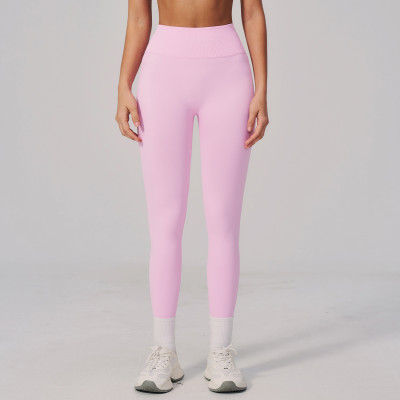
These five topics cover fabric specification, production timeline, MOQ structure, sample workflow and quality acceptance criteria. They are the foundation of predictable OEM yoga apparel cooperation. You can also explore our custom yoga leggings development page to reference construction details for your spring collection.
1. Fabric specifications and performance requirements
Confirming only the fiber blend is not enough to avoid fabric discrepancies between sample and bulk. Brands need to document full fabric parameters: GSM, knit construction, spandex ratio, opacity under stretch, handfeel, moisture wicking, air permeability, pilling resistance and color fastness requirements. For sustainable lines using recycled nylon or recycled polyester, clarify recycled content percentage, valid certification scope and batch traceability documents.
It is equally important to agree on fabric substitution rules. If the original yarn stock runs out, what alternative fabrics can the factory propose? Will substitutions require re-sampling and client approval? This clause prevents the factory from swapping materials without notification once production starts, which is a common pain point in spring yoga apparel sourcing.
2. Production lead time and clear milestone schedule
Spring activewear seasons are highly time-sensitive, as brands need to finish photography, marketing setup and inventory allocation before warm weather arrives. You should confirm the full timeline with clear milestones: proto sample turnaround, fit sample revision, pre-production sample approval, fabric sourcing and dyeing, bulk cutting, sewing, internal inspection, third-party inspection window and ex-factory date.
Ask the factory when the quoted lead time officially begins: upon sample approval, deposit receipt, or fabric availability. Custom dye orders and special yarns usually carry longer lead times than stock fabrics. We advise brands to reserve 7–14 days of buffer time for unexpected delays such as fabric testing hold-ups or logistics adjustments.
As a general planning reference, Aolafree's sample development typically takes around 7–15 days, while bulk production takes approximately 25–35 days after the required approvals and production conditions are confirmed. Actual lead times may vary depending on fabric availability, design complexity, order quantity and seasonal production schedules.
3. MOQ, color MOQ and flexible ordering rules
MOQ structures are rarely one-size-fits-all. Many factories separate total style MOQ, per-color MOQ and per-size MOQ. Stock fabrics normally carry lower MOQ, while custom dyed colors, custom prints or special functional fabrics often require higher minimums. If you are launching a DTC spring line with multiple SKUs and small test runs, confirm whether the manufacturer supports mixed-color packing, split shipments, or small-batch pilot production.
At Aolafree, our standard MOQ depends on the production method: Cut-and-Sew Activewear: 300 pieces per design, with a maximum of 2 colors and 4–5 sizes to allocate flexibly. Seamless Activewear: 500 pieces per color and design, with mixed sizes available. Ready-to-Ship Styles: Approximately 50 pieces per design, depending on available stock. For custom colors, special fabrics and prints, additional MOQ requirements may apply. We recommend confirming fabric MOQ and garment MOQ separately before placing an order.
Also clarify how over-run or under-run will be handled. Some factories allow a reasonable tolerance range on finished quantity, while others charge extra for additional units. This helps you plan inventory and marketing forecasts without budget surprises.
4. Sample rounds, scope and associated fees
Sample development is where most spring yoga styles get refined: adjusting waistband grip, inseam length, panel placement, neckline fit and stitching details. Before sampling begins, confirm which sample stages are required, what each stage is intended to verify, and how revision requests will be handled. For example, a prototype sample may focus on the initial design and construction, while a fit sample helps evaluate measurements, garment fit and comfort. A pre-production sample should confirm the approved specifications before bulk manufacturing.
Also clarify which revisions are included in the initial sampling quotation and which changes may involve additional charges, particularly when revisions result from new design instructions, fabric changes or updated specifications.
5. Quality standards and formal acceptance criteria
Quality standards should be written down rather than agreed verbally. Align on acceptable AQL level, shrinkage tolerance, color difference grading, stitching defect limits and stretch recovery benchmarks. For yoga leggings, stretch opacity is a high-priority item, as thin spring fabrics may become sheer when worn.
These acceptance criteria should be agreed upon before bulk production and documented in the approved tech pack, quality specification or inspection agreement. Where applicable, brands and manufacturers should also confirm the testing method, sampling procedure and acceptable tolerance for each requirement.
Confirm whether third-party inspection is supported, who covers inspection fees, and agree in advance on the process for reviewing non-conforming goods and determining appropriate corrective actions based on the purchase agreement.
Beyond fabric and garment quality, brands should also confirm logo placement, care labels, size labels, hangtags, packaging specifications and carton requirements before bulk production. These details should be approved alongside the final pre-production sample to reduce packing errors and last-minute changes.
Complete Pre-Order Checklist for Activewear Brands
As a professional private label activewear manufacturer in China, Aolafree walks each brand partner through this checklist before kicking off spring yoga apparel projects. Thorough alignment at the pre-production stage stabilizes your budget, guards your launch schedule and reduces costly rework. Submit your spring collection plan for quotation