
Why Activewear Shorts Roll Up & Leggings Feel Tight
This blog explains why many activewear brands land poor reviews even when their designs look visually attractive, focusing on two recurring pain points seen in consumer feedback: workout shorts that roll up during movement and long tight leggings that lack comfort for yoga and training. We break down the root technical causes of these common failures, and share how Aolafree, a China activewear manufacturer and supplier, builds guardrails into development, sampling and production to help B2B brand owners avoid these costly product defects. Send your inquiry to our development team to discuss your custom activewear project before you lock in your bulk order.
Core takeaway: Good-looking activewear does not automatically equal functional activewear. Rolling waistbands and uncomfortable leggings are rarely cosmetic issues; they stem from poor waistband engineering, mismatched fabric recovery, incorrect pattern ease, and insufficient movement testing. As an experienced Aolafree manufacturer in China, we integrate functional validation at every sampling stage to ensure your activewear performs as well as it looks.
1. The Hidden Risk: Beautiful Activewear That Fails During Real-World Wear
Consumer reviews like the one we analyzed send a clear warning signal to DTC activewear founders. Many brands win shoppers over with clean silhouettes, on-trend colors and flattering cuts, only to disappoint buyers once the garment is worn for exercise. The reviewer’s feedback points out three interconnected problems: the product is visually appealing but underdelivers on quality and practicality, workout shorts shift and roll upward during activity, and full-length tight tights are not suitable for yoga.
For B2B brands, this pattern is extremely damaging. A customer who buys based on appearance and then encounters functional failure will leave low-star reviews, reduce repeat purchase likelihood, and warn other potential buyers. Paid ad spend, influencer collaborations and product photography all lose value when the garment cannot hold up during its intended use. Too many generic suppliers prioritize visual samples over dynamic performance testing, which creates this gap between marketing photos and real customer experience.
At Aolafree, our product development philosophy for custom activewear starts with function first, then aesthetics. We do not treat fit and performance as afterthoughts added to a pretty design. If you are ready to build yoga shorts, training leggings or sports bras that hold up during workouts, explore our activewear product portfolio to review our fabric and silhouette options.
2. Why Workout Shorts Roll Up During Exercise
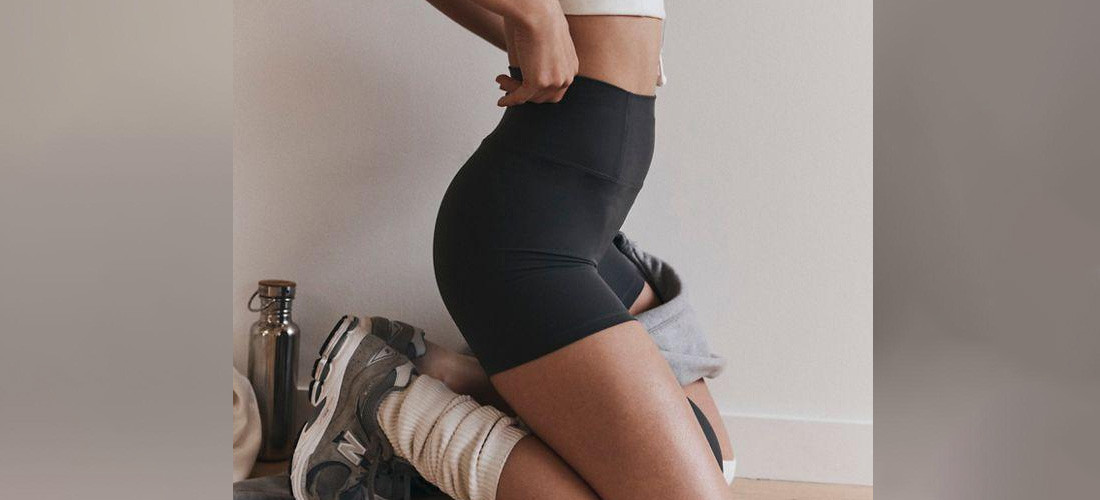
Rolling waistbands on athletic shorts are one of the most frequently reported functional complaints, and the issue has several specific technical root causes. The first is waistband tension balance: a waistband that is too tight will dig into the skin and creep upward; a waistband with insufficient elastic recovery will lose grip once the wearer starts sweating, bending or squatting. Many low-cost suppliers use a single generic elastic width and stiffness for all sizes, without grading elastic tension to match hip and waist circumference changes.
The second cause is pattern ease and grain alignment. If the waistband curve is not matched to the body’s natural waist and hip contour, the fabric will be pulled out of alignment during movement. Improper grainline placement can create uneven tension distribution, making one side of the short roll before the other. Third, fabric stretch recovery is critical. Fabrics with poor recovery will not return to their original shape after repeated stretching, so the waistband creeps upward permanently after a short time wearing.
Depending on the fabric, waistband construction and intended activity, additional grip features such as silicone printing or textured inner elastic may help improve garment stability during movement. However, waistband stability also depends on elastic recovery, pattern geometry and the overall fit balance.
How Aolafree, China activewear supplier prevents rolling shorts:
- Waistband grading: elastic width, tension and stiffness are adjusted independently across each size, not one elastic spec for the full size run.
- Engineered waistband geometry: curved waistband pattern matched to body contour, with calculated ease for dynamic movement, not only static standing fit.
- Recovery-focused fabric selection: we prioritize fabrics with verified stretch and recovery, avoiding materials that relax and deform after repeated extension.
- Custom grip construction options: silicone grip tape, textured inner elastic or folded wide waistband structures to reduce sliding on sweaty skin.
- Motion fit testing: every short sample is tested through squat, lunge, jump and bend sequences to check waist stability before sign-off.
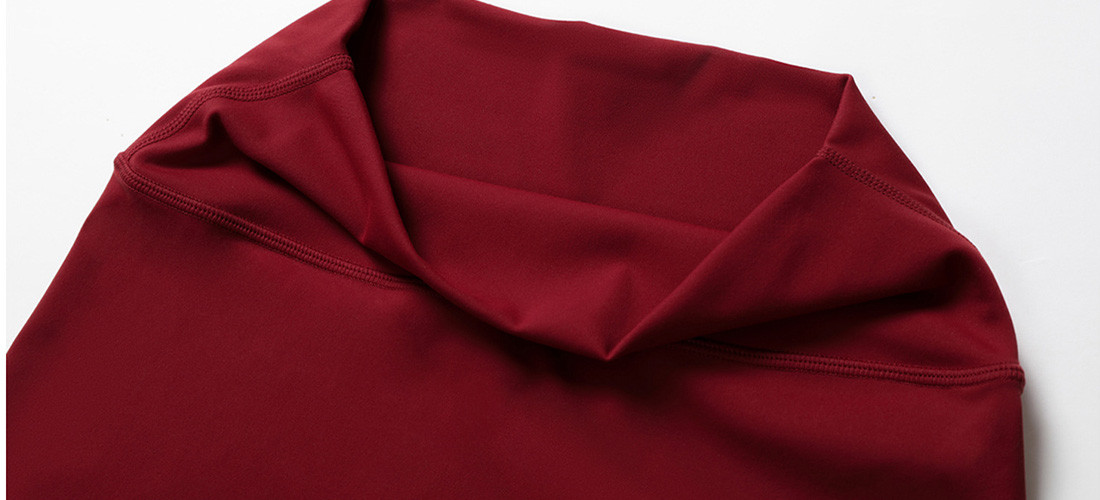
3. Why Full-Length Tights Feel Uncomfortable for Yoga
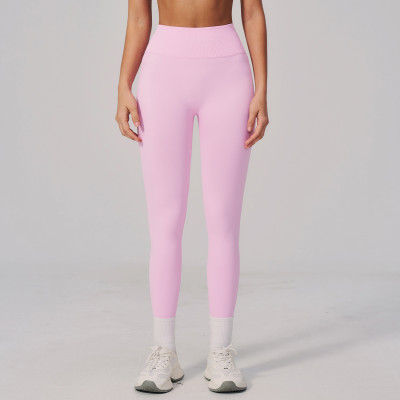
Yoga leggings require a very different balance of compression, stretch, ease and drape compared to high-impact gym tights. The discomfort described in the review usually comes from mismatched fabric properties, incorrect compression zoning, poor crotch engineering, or a pattern that restricts deep, slow stretching movements. Yoga relies on forward folds, deep squats, twists and sustained stretching, so the fabric must move with the wearer without pinching, binding or pulling.
A common mistake is using a high-compression fabric formulated for HIIT or weightlifting for yoga leggings. Heavy, high-tension compression fabric can feel restrictive during long hold poses. Another frequent issue is uneven compression across the leg: over-tight calves, insufficient hip mobility allowance, or a crotch block that pulls when the wearer folds forward. Fabric breathability and moisture management also matter; non-breathable blends trap heat during slow yoga flows and create an uncomfortable sticky feeling.
Many suppliers only test leggings standing straight. They check opacity, look and compression on a static fit model, but never evaluate the garment during the full range of yoga motion. What looks sleek and supportive in photos can bind, dig in or pull across the hips once the wearer moves into yoga poses. This disconnect creates the “looks good, feels bad” customer review scenario.
Our yoga legging development controls at Aolafree manufacturer:
- Application-specific fabric matching: lighter, high-mobility blends for yoga, higher-compression fabrics reserved for high-impact training styles.
- Zoned compression pattern design: targeted support around glutes and waist while adding extra mobility ease across hip and hamstring zones.
- Contoured crotch block with graded gusset width, front rise and crotch depth to eliminate pulling during forward folds and deep stretches.
- Breathability and moisture wicking assessment for low-intensity, long-duration wear scenarios.
- Yoga-specific fit protocol: fit testers perform sun salutations, deep folds, pigeon pose and standing twists to identify binding areas before bulk production.
4. Building Your Brand Around Functional, Trustworthy Activewear
The takeaway for B2B activewear founders is simple: aesthetic design is your entry point, but consistent function is what builds loyal customers and positive reviews. Brands that prioritize visual samples over movement validation will repeatedly face avoidable complaints: rolling shorts, restrictive leggings, slipping sports bras and poor long-term wear performance. These issues drive returns, harm review scores and waste your marketing budget.
Aolafree, China activewear manufacturer and supplier, operates with an EEAT-focused product workflow built from real consumer review pain points. We support activewear OEM, ODM and private label development for yoga bottoms, training shorts, sports bras, maternity activewear and UPF50+ swim activewear. Our technical team reviews your tech pack, validates fabric performance, grades patterns correctly and runs movement fit tests, so your finished garments deliver on both visual appeal and real workout functionality.
When you partner with us, you are not only purchasing cut-and-sew production. You gain a product development partner who helps you anticipate functional failure points before they reach your customers. We document all fit feedback, fabric test notes and sizing adjustments for your records, giving you transparent technical documentation you can rely on for future collections.