
Yoga Wear vs. Strength Training Activewear: What’s the Difference?
I've noticed a common question among fitness enthusiasts and casual wearers alike: what’s the real difference between yoga wear and general activewear, especially for strength training? With the rise of athleisure—a fashion trend that blurs the lines between athletic and leisure clothing—and a growing focus on fitness, choosing the right apparel for different activities has become more important than ever. This choice is not just about style; it’s about performance, comfort, and even injury prevention. Today, I'm here to demystify these categories and help you understand how to pick the best gear for your workout and everyday needs, ensuring you feel confident and supported in every movement.
Key Takeaways
To make an informed choice, it's crucial to understand the fundamental differences between yoga wear and strength training activewear. While both fall under the "activewear" umbrella, they are engineered for vastly different purposes. Here's a quick comparison:
| Feature | Yoga Wear | Strength Training Activewear |
|---|---|---|
| Primary Goal | Flexibility, Comfort, Unrestricted Movement | Durability, Compression, Support |
| Fabric Feel | Soft, Supple, Lightweight | Robust, Structured, Abrasion-Resistant |
| Compression | Low to Medium | Medium to High |
| Key Activities | Yoga, Pilates, Barre, Low-Impact Exercise, Lounging | Weightlifting, HIIT, Cross-Training, High-Impact Sports |
| Durability | Designed for mat work and stretching | Built to withstand friction from equipment (barbells, benches) |
| Support (Bras) | Low to Medium Support | Medium to High Support |
Deciphering Activewear: Yoga Wear vs. Strength Training Essentials
Yoga Wear: Prioritizing Flexibility and Comfort
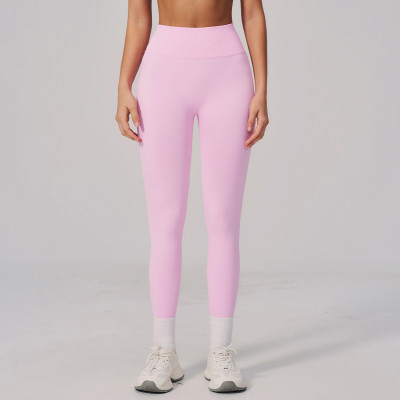
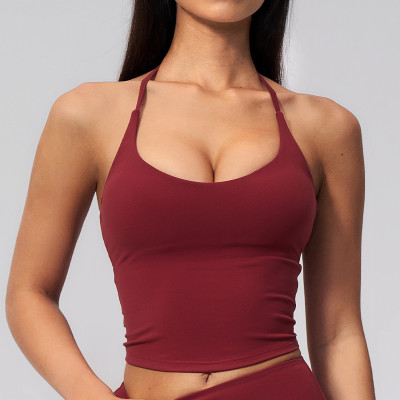
Yoga wear is specifically engineered to feel like a second skin, allowing you to move through a full range of motion without restriction. The primary intention behind its design is to enhance the mind-body connection during practice by eliminating distractions like itchy seams or slipping waistbands. Think of flowing through Vinyasa, holding a deep stretch in Yin, or balancing in Tree Pose—your clothing needs to move, stretch, and breathe with you.
This is why yoga apparel prioritizes features like four-way stretch, breathability, and next-to-skin softness. Fabrics are chosen for their ability to be both flexible and comfortable. High-waisted leggings that stay put during inversions and form-fitting tops that don't fall over your head are hallmarks of well-designed yoga gear. While it's perfect for low-impact activities like Pilates and barre, the gentle support and supple fabrics also make it a go-to choice for everyday lounging and casual wear.
Ideal for yoga, Pilates, and everyday wear, focusing on soft stretch and unrestricted movement. Think gentle support and supple fabrics.
The defining characteristic of yoga wear is its emphasis on complete freedom of movement. Garments often feature a high percentage of spandex (at least 15%) blended with materials like polyester or nylon to achieve a balance of flexibility, comfort, and breathability. Natural fibers such as bamboo or soft cotton blends may be used for less intensive practices like restorative yoga, where comfort is paramount. The fit shouldn't be overly restrictive or too loose; instead, it should be secure and non-binding, allowing you to focus on your alignment and breath without any clothing-related distractions.
Strength Training Activewear: Engineered for High-Impact Performance
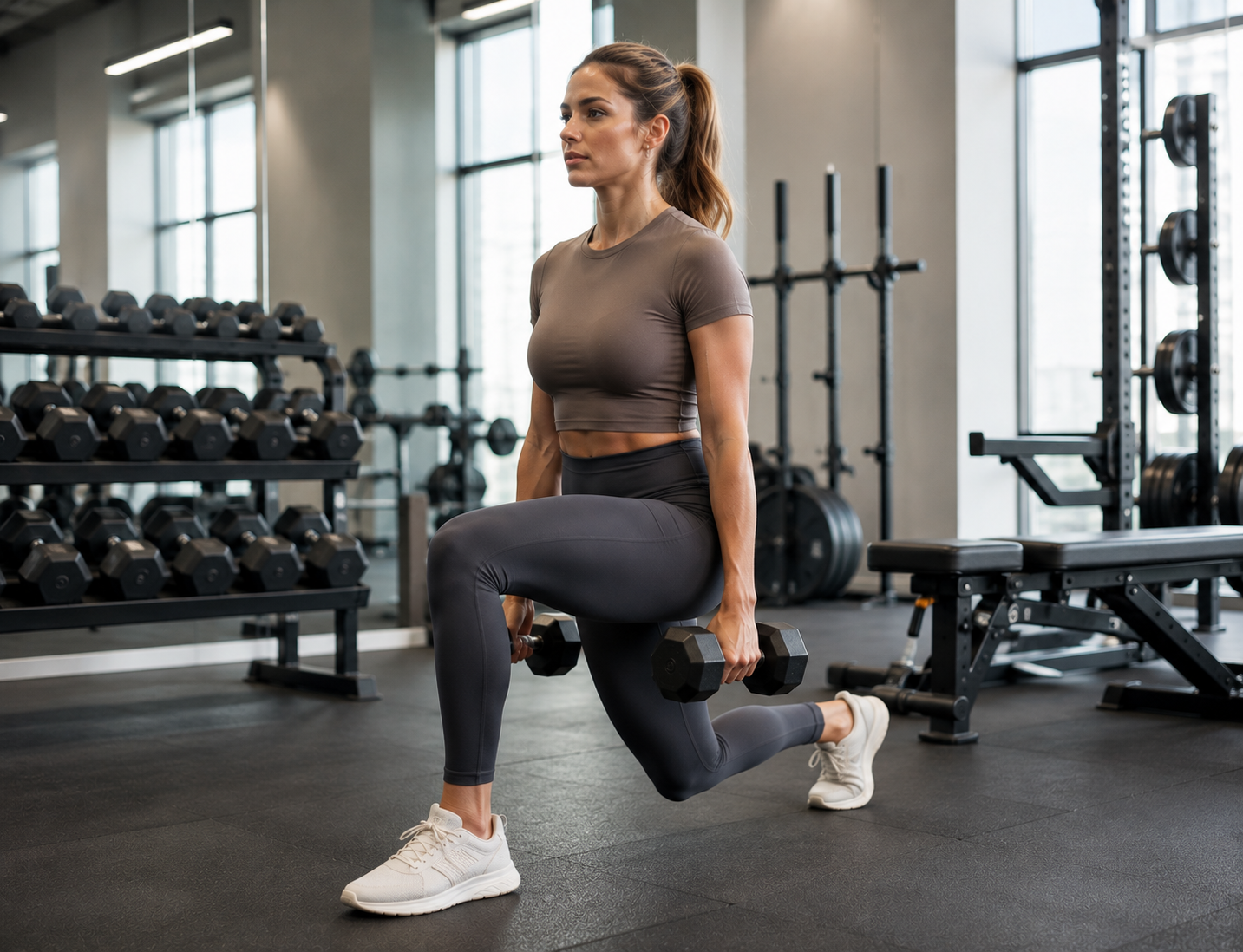
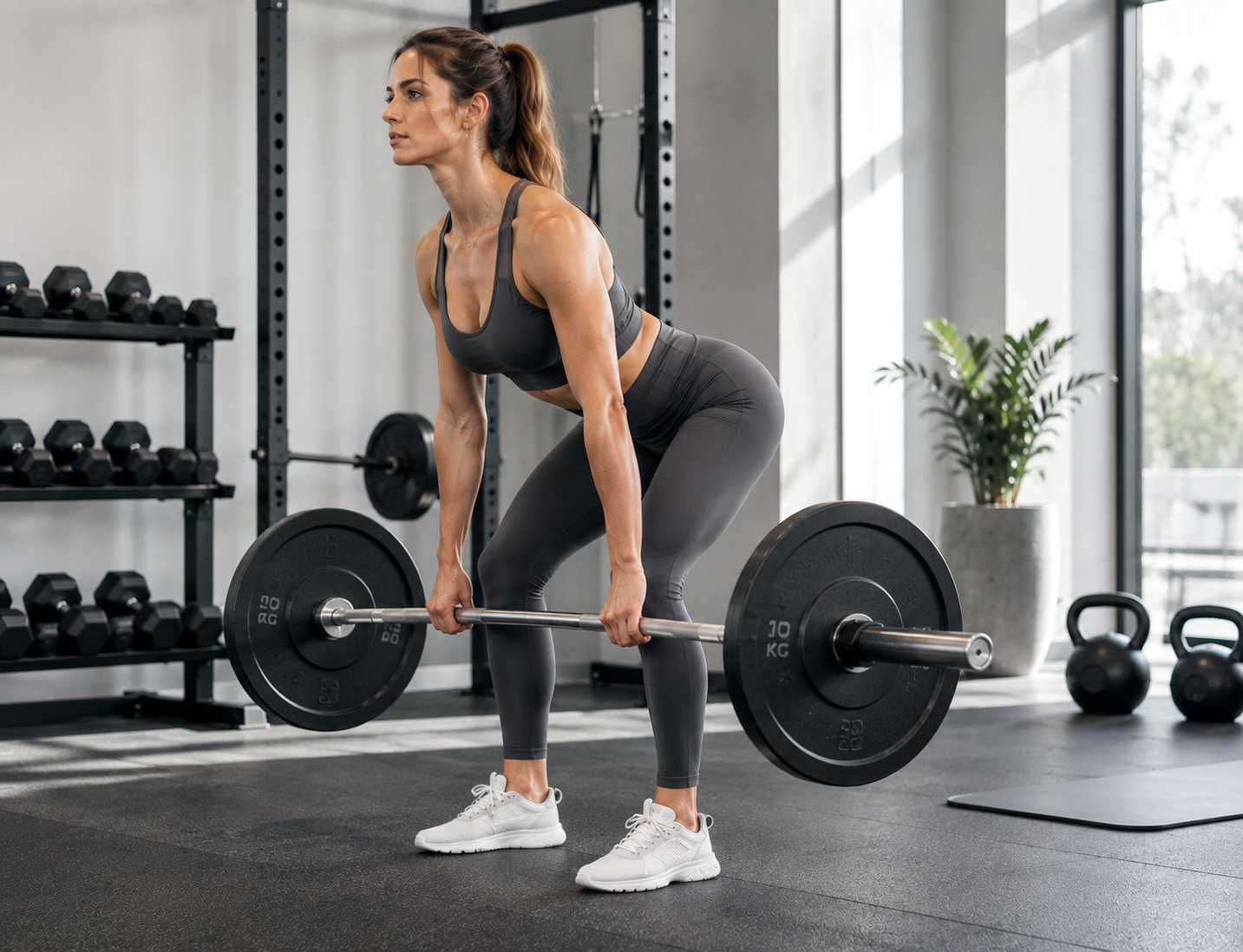
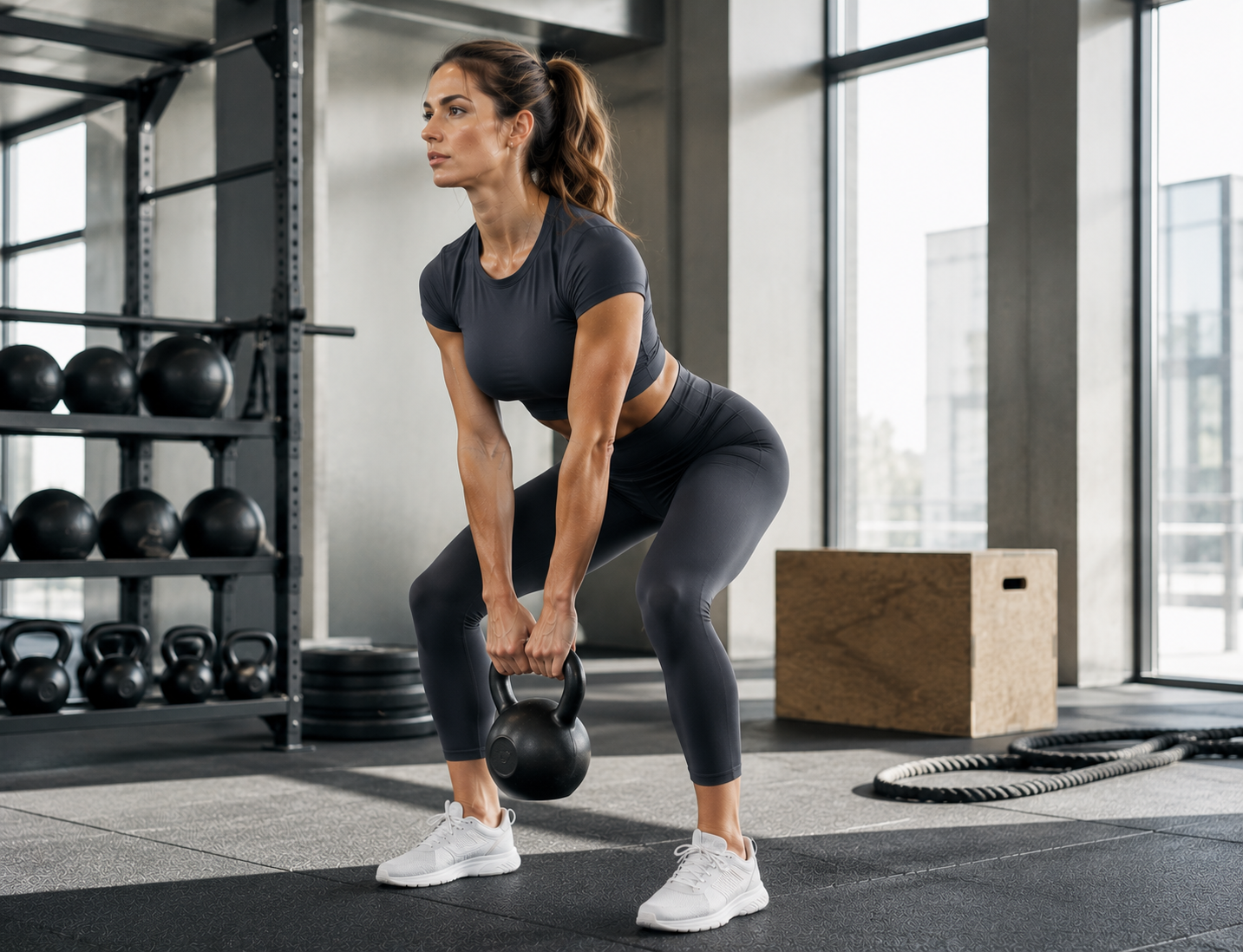
When the intensity ramps up for serious gym sessions involving heavy lifting, HIIT, or functional training, the demands on your apparel change dramatically. This is where dedicated strength training activewear shines. This type of gear is built for durability, support, and performance under load. It's designed to withstand the friction of barbells, the repeated stress of explosive movements, and the rigors of frequent, intense use.
Key features include medium to high compression to support muscles and enhance blood flow, abrasion-resistant fabrics that won't pill or tear when they come into contact with equipment, and reinforced seams for maximum durability. Sweat-wicking is non-negotiable, as it pulls moisture away from the skin to keep you cool, dry, and focused.
For serious gym sessions, I turn to dedicated strength training activewear. This gear, often sourced from a top workout apparel supplier like aolafree, offers robust compression and durability critical for lifting and intense cardio. It’s specialized wholesale gym wear designed for peak output.
Unlike the softer feel of yoga wear, strength training apparel feels more structured and robust. The compression provides a "held-in" sensation that stabilizes muscles during heavy squats, deadlifts, and presses. Sports bras offer high-impact support to minimize movement, while leggings are engineered to be completely squat-proof and stay in place without rolling or slipping, no matter how dynamic the workout. This specialized gear from a reputable workout apparel supplier ensures you can push your limits with confidence, knowing your clothing is working as hard as you are.
The Science of Materials: What Makes Great Strength Training Activewear?
The effectiveness of strength training apparel comes down to material science. The choice of fabric dictates how the gear performs under stress, how it manages moisture, and how long it lasts. Getting this right is the difference between a supportive, comfortable workout and one spent distracted by ill-fitting, sweat-logged clothing.
The Power Blends: Polyester/Spandex and Nylon/Spandex
For optimal strength training activewear, I always recommend synthetic blends. Polyester/spandex and nylon/spandex are the two dominant forces in the market for a reason.
Polyester/Spandex: This is the workhorse of high-intensity workout gear. Polyester is hydrophobic, meaning it repels water. It absorbs less than 0.4% of its weight in moisture, so instead of soaking up sweat, it pulls it to the fabric's surface to evaporate quickly. This moisture-wicking capability is crucial for keeping you cool and dry. Polyester is also highly durable, resistant to shrinking, and excellent at retaining color, making it a cost-effective and reliable choice for most performance wear.
Nylon/Spandex: Nylon blends are often considered the more premium option, prized for their exceptionally soft, smooth, "buttery" feel against the skin. While still offering good moisture management, nylon can absorb slightly more water than polyester. Its real strengths lie in its superior durability and elasticity. Nylon is incredibly strong, has excellent abrasion resistance, and offers fantastic stretch and recovery, meaning it snaps back to its original shape without bagging. This makes it ideal for high-end leggings and compression gear that require a close, comfortable fit that stands up to friction.
The addition of spandex (also known as Lycra or elastane) to both fabrics is what provides the critical four-way stretch, allowing the garment to move with you without restriction.
For optimal strength training activewear, I always recommend polyester/spandex or nylon/spandex blends. These materials wick sweat, maintain shape, and provide the essential stretch and compression needed for rigorous workouts. aolafree's wholesale gym wear often features these advanced fabrics.
When sourcing for a brand or choosing for personal use, the choice between polyester and nylon depends on priorities. If maximum moisture-wicking and color vibrancy at an accessible price point are key, polyester blends are the top choice. If a luxurious, soft feel and superior toughness against abrasion are more important, nylon blends are worth the investment. Many leading apparel lines, like those from aolafree, utilize both, tailoring the blend to the specific demands of the garment.
Why Avoid Cotton for Serious Workouts
While cotton is beloved for its softness and breathability in casual clothing, it's one of the worst choices for intense exercise. I advise against cotton for any serious training because it is hydrophilic, meaning it loves water.
Cotton acts like a sponge, absorbing sweat and holding it against your skin. A wet cotton shirt becomes heavy, clingy, and loses its shape, which can restrict movement. This trapped moisture prevents your body's natural cooling process—evaporation—from working effectively, making you feel hotter during your workout and then cold and clammy afterward. This "wet microclimate" is not only uncomfortable but can also lead to skin irritation and chafing.
I advise against cotton for intense training; it absorbs sweat, stays wet, and impedes movement and comfort, making it unsuitable for effective strength training activewear.
Here’s a clear comparison of why synthetics outperform cotton for exercise:
| Feature | Synthetic Blends (Polyester/Nylon) | Cotton |
|---|---|---|
| Moisture Management | Wicks moisture away from the skin for quick evaporation. | Absorbs and retains moisture. |
| Drying Speed | Very fast. | Very slow. |
| Weight When Wet | Remains lightweight. | Becomes heavy and waterlogged. |
| Comfort During Exercise | Stays dry, light, and comfortable. | Becomes clingy, sticky, and uncomfortable. |
| Shape Retention | Excellent; snaps back into shape. | Stretches out and loses shape when wet. |
| Best For | High-intensity workouts, running, strength training. | Very light activity (like walking) or post-workout wear. |
In short, save your cotton tees for rest days. When you’re ready to perform, technical fabrics are non-negotiable.
Smart Choices: Picking the Right Activewear for Your Every Move
Choosing the right activewear becomes much simpler once you understand the core purpose of your activities. By consciously matching the garment's features to your fitness goals, you not only improve comfort and performance but also get the most value out of your apparel.
Aligning Apparel with Activity Goals
The fundamental rule is this: let your movement dictate your outfit.
- For Flexibility and Low-Impact: If your regimen consists of yoga, Pilates, barre, or mobility work, your priority is unrestricted movement. Yoga wear, with its high-stretch, soft, and breathable fabrics, is the undisputed champion. It allows you to bend, stretch, and hold poses without your clothes binding or shifting. Its comfort-first design also makes it perfect for everyday errands and lounging, providing excellent value and versatility.
- For Strength and High-Impact: When your goals involve lifting heavy weights, explosive cardio, or high-intensity interval training (HIIT), your apparel needs to be a suit of armor. You need robust, durable, and supportive gear. Effective strength training activewear provides the necessary compression to support muscles, abrasion resistance to handle barbells and benches, and high-impact support to keep you secure.
If flexibility and everyday comfort are your priorities, yoga wear is perfect. But when it's time for heavy lifting or intense training, effective strength training activewear is non-negotiable. As a trusted workout apparel supplier, aolafree offers wholesale gym wear that supports every fitness journey, ensuring you look good and feel great.
Thinking of it this way prevents common workout frustrations—like wearing delicate yoga leggings for a deadlift session only to snag them on the bar, or trying a hot yoga class in thick, compressive gym wear that leaves you overheated. A trusted workout apparel supplier will offer distinct collections catering to these different needs, ensuring you can find specialized wholesale gym wear that’s truly fit for purpose.
The Versatile Appeal of Modern Wholesale Gym Wear
The line between the gym and the street has all but disappeared. Today, our activewear needs to be multi-functional, supporting us through a workout and then seamlessly transitioning to the rest of our day. This is the heart of the athleisure trend, and it’s where quality design and fabric selection truly shine.
High-quality strength training pieces and general athleisure staples can be easily styled for casual outings. For example, a pair of sleek, well-fitting joggers or premium leggings can be paired with a denim jacket and clean lifestyle sneakers for a polished, comfortable streetwear look. A supportive sports bra or crop top can be layered under an open jacket or blazer. The key is to blend the "athletic" pieces with "leisure" or everyday wardrobe staples to create a balanced, intentional outfit.
Today, our activewear needs to be multi-functional. Quality strength training activewear and general athleisure pieces can transition from my workout to my daily life seamlessly, providing comfort and style all day.
This versatility offers incredible value. Investing in well-made, thoughtfully designed activewear means you are building a wardrobe that supports an active, dynamic lifestyle. You get pieces that perform when you need them to and provide effortless style and comfort for everything in between. The best modern wholesale gym wear is created with this gym-to-street transition in mind, offering pieces that are as fashionable as they are functional.
What This Means for Activewear Brands
For B2B players in the fitness apparel space, understanding the nuances between yoga wear and strength training apparel is not just a matter of product knowledge—it's a critical strategic advantage. The market is increasingly sophisticated, with consumers demanding specialized gear that delivers tangible performance benefits. What This Means for Activewear Brands is a clear directive: a one-size-fits-all approach is no longer viable.
Brands developing both yoga and strength training collections should avoid using identical fabric specifications for every training scenario. While a "buttery soft" feel is a powerful selling point for yoga leggings, that same fabric may fail under the duress of a heavy barbell deadlift, lacking the necessary abrasion resistance and compressive support.
Instead, a successful strategy involves creating distinct product lines or "capsules" engineered for specific end-uses. Here's how to differentiate:
Fabric Specification is Key:
- Yoga Line: Prioritize a premium hand-feel with fabrics like nylon/spandex blends (e.g., 80% nylon, 20% spandex). Focus on four-way stretch, lightweight construction, and squat-proof opacity. While moisture-wicking is important, next-to-skin comfort is the primary driver.
- Strength Line: Shift focus to durability and performance. Use robust polyester/spandex or tougher nylon blends known for high abrasion resistance and shape retention. Increase fabric weight (GSM) and compression levels to offer muscle support. Features like anti-odor technology and reinforced seams add significant value.
Design and Construction Matter:
- Yoga: Designs should enable maximum range of motion. Think high-waisted leggings that don't roll down, minimal seams to prevent chafing, and supportive but not overly restrictive sports bras.
- Strength: Pockets for phones or keys become more important. Seams should be triple-stitched or flat-locked in high-stress areas. Sports bras need to offer medium to high-impact support. Durability in design means accounting for contact with rough surfaces like knurled barbells, benches, and floors.
Educate the Consumer:
- Your marketing and product descriptions should clearly articulate the why behind each design. Explain that the strength training leggings are built with a more durable yarn to prevent pilling from equipment contact, while the yoga leggings are designed with a softer finish for mat-based movement. This educates the customer, justifies potential price differences, and builds trust by demonstrating true expertise.
By segmenting your offerings, you cater directly to the distinct needs of two powerful and growing consumer bases: the mindfulness-focused yoga practitioner and the performance-driven strength athlete. This targeted approach not only enhances product-market fit but also positions your brand as an authority, creating a loyal customer base that understands and appreciates the value of specialized, high-performance apparel.
Frequently Asked Questions (FAQ)
1. What is the main difference between yoga leggings and gym leggings?
The primary difference lies in their design priorities. Yoga leggings are engineered for flexibility and comfort, featuring soft, highly stretchable fabrics with lower compression to allow for a full range of motion in poses. Gym leggings, especially those for strength training, are built for durability and support. They typically use more robust, abrasion-resistant fabrics with medium-to-high compression to support muscles and withstand friction from equipment.
2. Can I wear my yoga pants to the gym for weightlifting?
While you can, it's not ideal, especially for serious or frequent lifting. Softer yoga pants are not designed to handle the abrasion from barbells or weight benches and can pill or tear more easily. They also offer less compressive support for your muscles during heavy lifts. For occasional, light-weight workouts they may be fine, but dedicated gym leggings will perform better and last longer.
3. Is compression important for strength training activewear?
Yes, compression is a key feature of effective strength training apparel. Medium-to-high compression provides a supportive, "held-in" feeling that can improve body awareness (proprioception), enhance blood flow, and stabilize muscles during powerful movements. This can contribute to better performance and may help reduce muscle soreness post-workout.
4. Why is moisture-wicking so important for workout clothes?
Moisture-wicking fabrics are crucial because they pull sweat away from your skin and move it to the outer surface of the garment to evaporate quickly. This process keeps you drier, cooler, and more comfortable during your workout. It prevents the fabric from becoming heavy and saturated with sweat, which can cause chafing, and helps regulate your body temperature for optimal performance.
Conclusion
In summary, choosing between yoga wear and strength training activewear boils down to understanding your specific needs and the intensity of your activity. While both are designed for movement, yoga wear champions flexibility and comfort for the fluid dynamics of the mat, whereas strength training apparel is engineered with durability, compression, and support to withstand the rigors of the gym.
By prioritizing features like fabric composition, support level, and durability, you can select the perfect gear for your fitness goals. Sourcing from a reliable workout apparel supplier like aolafree ensures you are getting technically advanced fabrics and construction designed for performance. For activewear brands, recognizing these distinctions is crucial for developing products that meet and exceed consumer expectations.
Ultimately, investing in the right activewear means enhanced performance, superior comfort, and a boost in confidence, whether you're finding your flow on the yoga mat or pushing your limits with heavy lifts. Making an informed choice empowers you to move better and feel your best.
If you are an activewear brand looking to develop a specialized collection or have further questions about creating the perfect apparel for your audience, please contact us—our team of experts is here to help you succeed.