What should you look for when choosing a women's activewear supplier?
What You Should Look for When Choosing a Women's Activewear Supplier
When choosing a women's activewear supplier, evaluate them across five critical dimensions: international certifications (BSCI, OEKO-TEX, ISO 9001), production capacity and scalability, quality control systems and testing protocols, fabric and material expertise, and communication transparency. A thorough supplier evaluation — including document verification, sample testing, and ideally a factory audit — reduces the 73% risk of quality failures caused by technical specification mismatches. Brands like Aolafree use this framework to build reliable, long-term supply chains.
Supplier Evaluation Checklist: 10 Must-Check Items
BSCI or SMETA Social Compliance Audit
Verify the factory has a valid, current social compliance certification. BSCI (amfori) and SMETA are the most recognized standards. Request the certificate number and cross-check it with the issuing body's database. This confirms ethical labor practices and stable operations.
OEKO-TEX Standard 100 Certification
This certification tests for harmful substances in textiles and is essential for skin-contact activewear. It is particularly important for markets in the EU, USA, and Australia. Always verify the certificate is current and product-specific.
ISO 9001 Quality Management
ISO 9001 demonstrates the supplier operates a structured quality management system. This is considered the baseline requirement — without it, quality consistency cannot be guaranteed across production batches.
Activewear-Specific Technical Expertise
The supplier must demonstrate proven experience in performance fabrics: four-way stretch, moisture-wicking technology, compression knits, and seamless construction. 68% of sportswear production failures stem from technical capability mismatches — general garment factories often cannot deliver performance activewear.
Production Capacity That Matches Your Scale
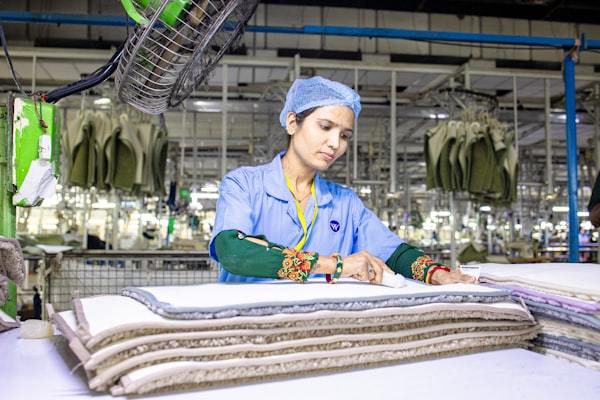
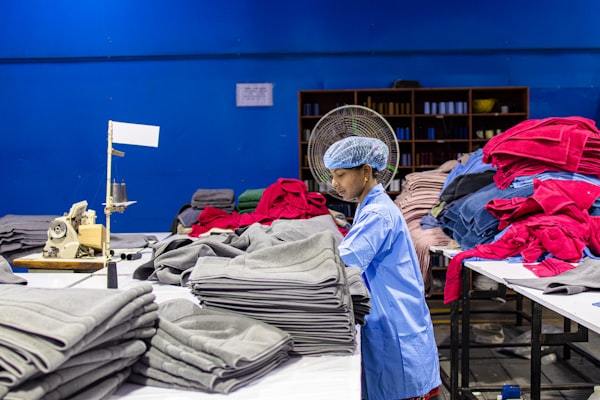
A medium-sized sportswear factory typically requires 50+ specialized machines to achieve 10,000 pieces per month. Verify capacity through video tours of the actual production floor, not showroom photos. Ask for machine counts, worker numbers, and past order fulfillment data during peak seasons.
Comprehensive Quality Control Process
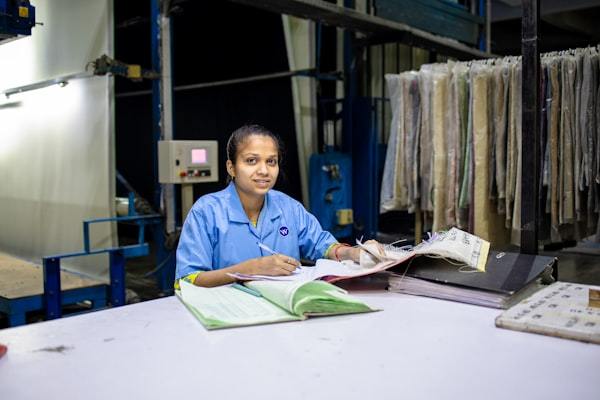
The supplier should implement inline inspection at 20%, 50%, and 80% production stages, plus final random inspection at AQL 2.5 standard. Sportswear-specific tests — moisture management (AATCC 195), stretch recovery (ASTM D624), and colorfastness — must be part of their standard QC protocol.
Reasonable MOQ and Payment Terms
Professional activewear suppliers typically offer MOQs of 300-500 pieces per style for startups, scaling to 5,000+ for large orders. Standard payment terms are 30% deposit and 70% before shipment. Avoid suppliers demanding 100% upfront payment — this correlates with a 73% order failure rate.
Fabric Mill Relationships and Testing Data
Top-tier suppliers maintain direct relationships with technical fabric mills and can provide fabric testing reports — including UPF ratings, pilling resistance, and GSM verification. Ask for fabric supplier lists and sample testing documentation before committing.
Transparent Communication and English Proficiency
Look for dedicated merchandisers or project managers who provide clear production timelines, regular updates, and transparent discussion of risks. Delayed or vague responses during initial inquiries often signal operational weaknesses that will cause problems during production.
Sampling Policy That Uses Actual Production Materials
Insist on pre-production samples made with real production fabrics — not simulated materials. If a supplier cannot provide samples with the same fabric composition and construction as your bulk order, the approved sample is not a reliable quality reference.
6 Red Flags That Should Make You Walk Away
Unrealistically Low Pricing
Basic leggings quoted below $3-4/piece FOB almost always indicate substandard materials, hidden costs, or labor exploitation.
No Physical Factory Address
Verify the factory location via Google Maps. If the supplier cannot provide a verifiable physical address or live video tour, they are likely a trading company, not a manufacturer.
100% Upfront Payment Demand
This payment structure is associated with 73% of order failures. Professional suppliers accept standard trade terms: deposit + balance before shipment.
Refusing Third-Party Audits
Legitimate manufacturers welcome BSCI, SMETA, or buyer-arranged third-party inspections. Refusal to allow audits is a critical warning sign.
Generic Claims Without Proof
Claims of serving "Nike, Adidas" without verifiable references, or ISO claims without specific standard numbers and scopes, are common misrepresentations.
No Activewear-Specific Portfolio
If a supplier's portfolio is dominated by casual wear or basic t-shirts rather than performance activewear, their technical expertise is likely insufficient.
What a Quality-Driven Supplier Looks Like
Key Statistics Every Buyer Should Know
Certified Supplier vs. Unverified Supplier: Quick Comparison
Aolafree partners exclusively with certified, audited activewear manufacturers. Contact our team to discuss your supplier requirements or browse our product categories to see our manufacturing capabilities.
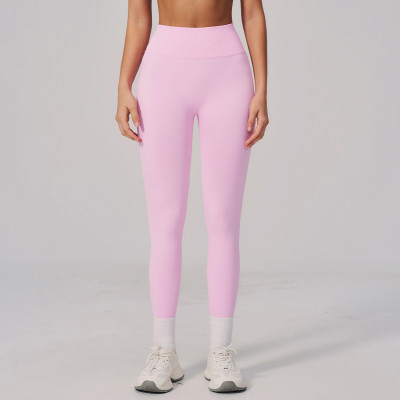
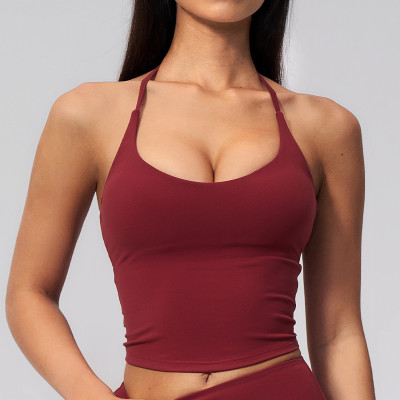
Are you looking for reliable manufacturers of clothing products?
We can quickly provide customers with market analysis, technical support and customized services.Custom Services
WHY CHOOSE US
contact us
WhatsApp:+86 18594216311
Email: elena@aolawear.com
Address:Building B4, Zhimei industrial Park, xixiang Street, Bao'an, shenzhen City, 518100 , Guangdong , China