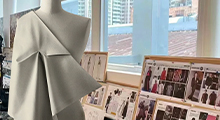
Design Review & Tech Pack Confirmation
Our team reviews your tech pack, reference images, measurements, and product requirements to ensure a clear understanding before development begins.

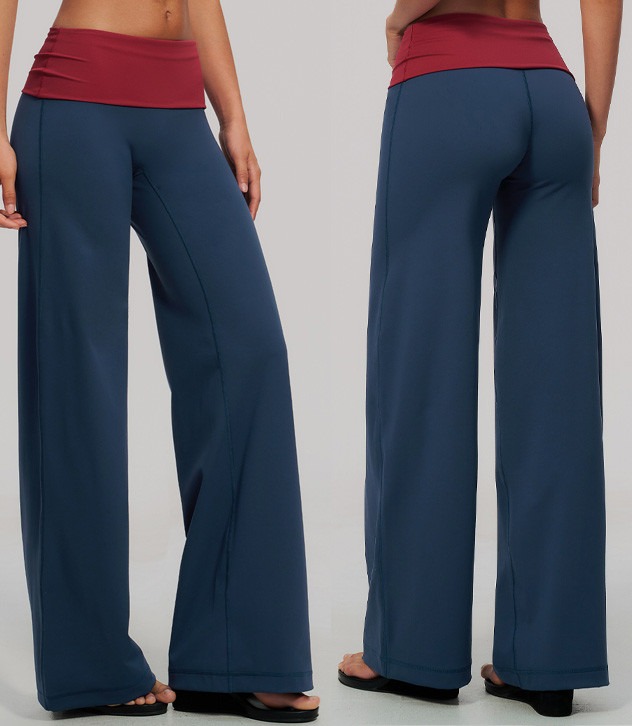
Great yoga leggings combine a flattering fit, comfortable stretch and reliable coverage. From high-waisted and seamless styles to flared leggings and classic full-length designs, every detail should reflect your brand's identity and customers' needs.
AOLAFREE helps activewear brands turn their ideas into production-ready yoga sets. We work with you to select performance fabrics, refine silhouettes, develop size grading and customize colors, logos, labels and packaging to match your brand positioning.


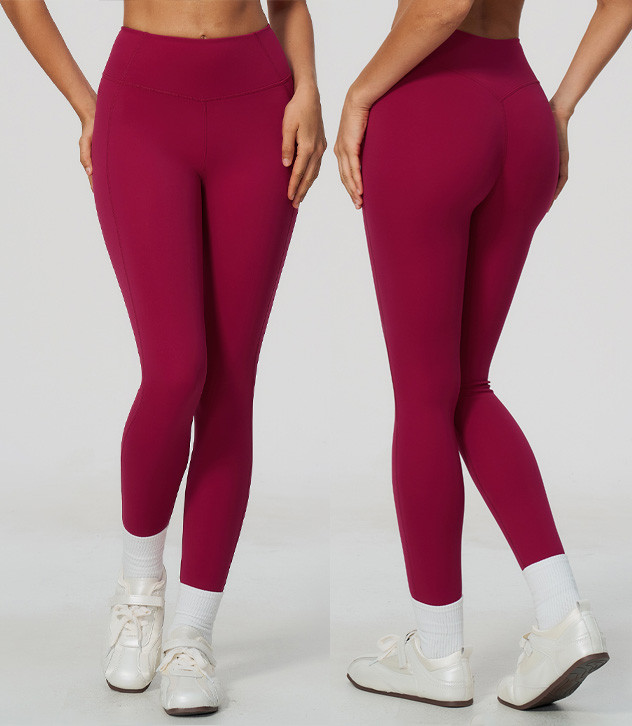
The right fabric is essential to developing yoga leggings that feel comfortable, move with the body and maintain their intended fit. For private label yoga leggings, fabric selection should consider softness, four-way stretch, recovery, opacity, abrasion resistance and waistband stability. Nylon/spandex and polyester/spandex blends are common options, with the best choice depending on your brand positioning, target price and product requirements.
What GSM works best for yoga leggings?
Great yoga leggings combine a comfortable fit, reliable construction and thoughtful finishing. AOLAFREE helps brands customize essential details to meet their design specifications and target market requirements.
Develop high-rise, V-shaped or cross-waist designs with suitable elastic and waistband construction to achieve the desired fit, support and comfort. Waistband stability and recovery are evaluated during sample development.
Customize gusset shapes, seam placement and stretch-stitching methods to support freedom of movement and reduce unnecessary bulk. Appropriate stitching and reinforcement help improve seam durability during repeated wear.
Refine pattern proportions and garment fit according to the selected fabric's stretch and recovery. Evaluate opacity, pilling, shrinkage and fit retention to help ensure the finished leggings meet your product specifications.
Personalize leggings with heat-transfer logos, silicone branding or other suitable decoration methods. Custom labels, care labels and branded packaging help create a consistent identity across your collection.
 01
Our team reviews your tech pack, reference images, measurements, and product requirements to ensure a clear understanding before development begins.
 02
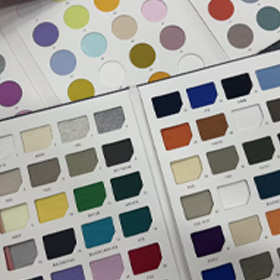
We help confirm fabric composition, colors, logos, labels, stitching details, and printing techniques to match your brand vision.
 03
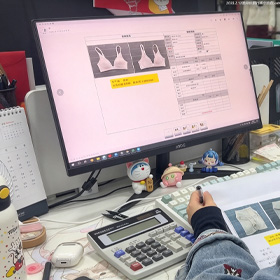
After all details are finalized, we issue a sample quotation and begin development once payment is confirmed.
 04
Before production begins, our team performs a final verification of all product specifications and invoice details to avoid errors.
 05
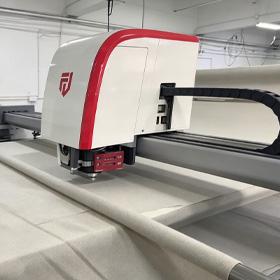
After confirmation, fabrics are carefully inspected and precisely cut according to approved patterns and measurements.
 06
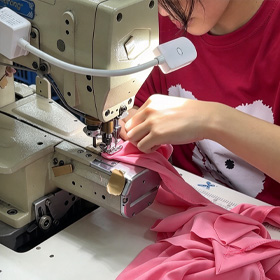
Experienced technicians carefully sew and assemble the garment according to approved specifications.
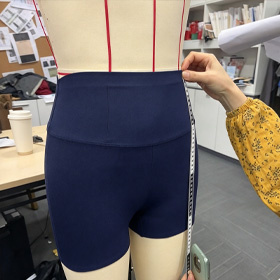 07
The completed sample is carefully measured and reviewed by our team to ensure it matches all approved specifications before shipment.
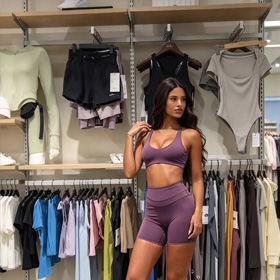 08
Clients evaluate the sample for fit, comfort, stretch, support, and overall performance. Any feedback can be incorporated into revisions before bulk production.
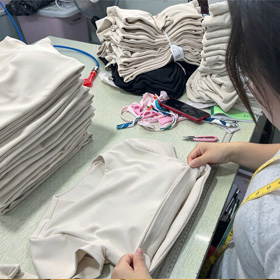 09
Every approved sample undergoes a final quality inspection covering measurements, stitching, fabric quality, and finishing details.
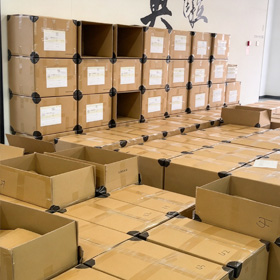 10
After final approval, samples are carefully packed and shipped worldwide for final evaluation and production planning.

Ensuring the fabric meets development specifications.
- Inspect fabric color, weight (gsm), hand feel, and surface appearance.
- Check for color shading, stains, holes, snagged yarns, and weaving defects.
- Test elasticity, resilience, and recovery performance after stretching, in accordance with product requirements.
- Conduct tests for shrinkage, color fastness, and pilling resistance as per order specifications.

Pattern accuracy and consistent sizing.
- Verify paper patterns, grain direction of cut pieces, and fabric marker/layout requirements.
- Check dimensions of critical areas, such as waistbands, garment length, crotch, chest circumference, and shoulder straps.
- Ensure consistency among cut pieces of the same size to prevent cutting discrepancies.
- Verify grading ratios across different sizes against the order’s size chart.

Secure seams and refined workmanship.
- Inspect stitch length, stitch formation, and the quality of overlock and coverstitch operations.
- Check for seam strength issues, loose thread ends, skipped stitches, missed stitches, and broken threads.
- Verify reinforcement techniques at high-stress areas such as waistbands, crotches, and shoulder straps.
- Check details such as seam alignment, symmetry, and the finish of necklines and cuffs.

Ensuring the garment’s performance aligns with its intended product positioning.
- Verify garment dimensions, overall fit, and bilateral symmetry.
- Test for opacity (coverage) and potential light transmission (transparency) when the fabric is stretched, in accordance with product specifications.
- Evaluate the stability of the waistband, its elastic recovery, and how well the garment stays in place during movement.
- Inspect for color inconsistencies, stains, wrinkles, print quality, logos, and the detailing of trims and accessories.

Ensuring that the bulk production aligns with the approved samples and order specifications.
- Inspect garment quality and critical measurements according to the agreed-upon sampling plan.
- Verify color, size breakdown, quantity, and product style against the order.
- Check for compliance with client-specified requirements, including care labels, hang tags, logos, polybags, and barcodes.
- Verify folding methods, carton quantities, outer carton labeling, and shipping documentation.
WhatsApp:+86 18594216311
Email: elena@aolawear.com
Address:Building B4, Zhimei industrial Park, xixiang Street, Bao'an, shenzhen City, 518100 , Guangdong , China